
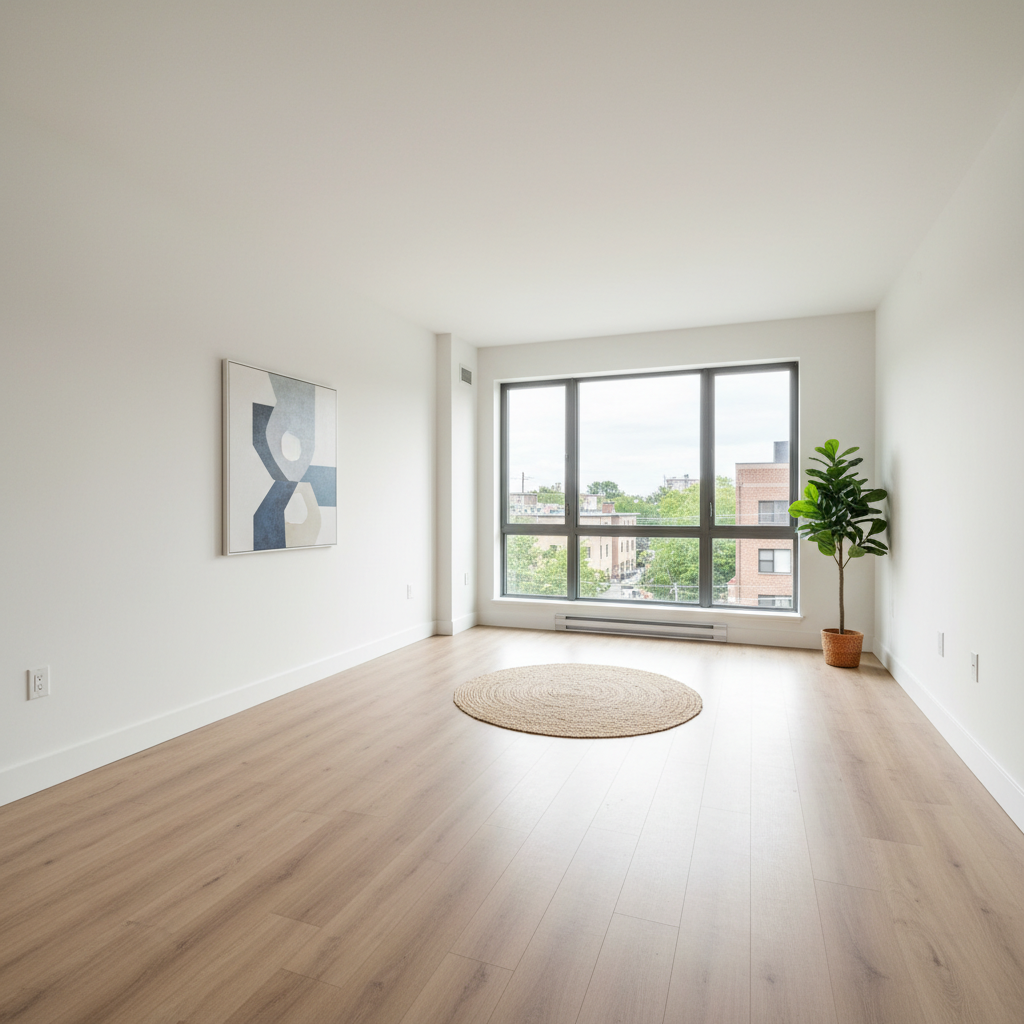
The apartment turnover process for property managers is the structured workflow that transforms a just-vacated unit into a move-in-ready apartment. It covers inspection, scope, repairs, cleaning, upgrades, and final handover. From our base at 805 Chelton Rd in London, ON, we standardize this process to reduce vacancy days across multi-unit portfolios.
By Mahal Concrete and Constructions • Last updated: 2026-06-03
Quick Summary
An efficient apartment turnover process replaces guesswork with a repeatable playbook: assess, scope, schedule, execute, and verify. Property managers cut vacancy time by standardizing finishes, sequencing trades cleanly, and documenting quality. Our London, ON team applies this across multiple buildings to deliver predictable, move-in-ready units.
In this complete guide, we share how portfolio-minded managers streamline turns without sacrificing quality. You’ll see exactly what to standardize, what to sequence, and how to audit work so every unit is delivered on time, on spec, and with minimal disruption to neighboring residents.
- Clear definition and objectives of a professional unit turnover
- Why standardization and safety compliance matter for property managers
- Step-by-step workflow with checklists and quality gates
- Turn levels, timelines, and sample scopes that reduce risk
- Tools, templates, and team roles for consistent results
- London, ON–specific considerations for multi-unit buildings
Jump to a section:
- What is the apartment turnover process?
- Why the turnover process matters
- How the process works (step-by-step)
- Types and approaches
- Best practices
- Tools and resources
- Case studies and examples
- FAQ
- Key takeaways and next steps
What Is the Apartment Turnover Process?
The apartment turnover process is a standardized sequence that takes a vacated unit from inspection to move-in-ready. It defines scope, schedules trades, replaces worn items, cleans, verifies quality, and documents handover. Managers use it to reduce vacancy days, control finishes, and deliver consistent resident experiences.
In practice, a professional turnover turns variability into a system. It starts with a walk-through, a punch list, and a clear scope. Then, trades are scheduled in a logical order so no work is undone. The unit is cleaned, inspected against standards, and documented before keys are released.
We built our approach around multi-unit realities: overlapping timelines, stacked trades, and neighbor-friendly work zones. Our crews are fully insured and WSIB-compliant, which supports safety and predictable delivery in occupied properties. With 500+ projects behind us, we’ve refined the small details that prevent rework.
If you manage multiple buildings, consistency is everything. Standard paint systems, hard-wearing floors, cabinet lines, and hardware SKUs keep maintenance simple and future turns faster. That’s why our turnover templates integrate product standards you can replicate across your portfolio.
Why the Turnover Process Matters for Property Managers
A disciplined turnover process shortens vacancy, protects NOI, and lifts resident satisfaction. In London, ON portfolios, managers who standardize finishes and sequence trades reliably see smoother scheduling, fewer callbacks, and cleaner handovers across multiple properties.
Every unplanned day a unit sits empty hurts performance. Turnovers aren’t just “maintenance”; they’re an operational lever that influences leasing velocity, online reviews, and renewal rates. Repeatable standards—paired with clean documentation—let new teams execute the same quality, building after building.
There’s also compliance and safety. Operating with fully insured, WSIB-compliant crews reduces on-site risk in active buildings. Clear scopes, permits when needed, and safety-first setups prevent delays. Managers get reliable records for internal audits and insurer queries, and residents see professional worksites rather than ad hoc disruptions.
The apartment turnover process for property managers becomes even more critical when you scale. Portfolio owners in Southwest Ontario juggle different unit ages and conditions. We mitigate this with graded “turn levels” (light, standard, heavy, capex) so you allocate time and resources precisely, instead of guessing.
How the Apartment Turnover Process Works (Step-by-Step)
The best turnover workflow follows five stages: assess, scope, schedule, execute, and verify. Each stage has checklists, photo documentation, and quality gates. Managers cut downtime by sequencing trades cleanly and enforcing standard finishes across every unit.
Below is the exact sequence we use across multi-unit projects. It’s designed for predictable delivery with minimal disruption to neighbors.
1) Assess and document
- Initial walk-through with photos and a room-by-room punch list.
- Note structural concerns, plumbing issues, worn flooring, and fixture damage.
- Flag scope variants early (pet damage, water staining, or prior DIY alterations).
2) Finalize scope and standards
- Define turn level (light, standard, heavy, or capex).
- Confirm finish standards (paint system, flooring line, cabinet and hardware SKUs).
- Draft a timeline with milestones and buffer days for inspections.
3) Schedule by trade, then by room
- Lock in trade order: demolition, rough plumbing/electrical (if any), drywall/patch, paint, flooring, cabinets/counters, plumbing/electrical trim, clean.
- Batch like tasks across multiple units to gain speed and consistency.
- Use daily huddles and photo updates to catch blockers early.
4) Execute with quality gates
- Require sign-off at key gates: substrate ready, paint complete, floor complete, fixtures complete.
- Keep worksites clean; protect common areas with coverings and shoe covers.
- Document changes so future maintenance knows what lives behind the walls.
5) Verify, clean, and hand over
- Deep clean, then a supervisor walkthrough with a fresh eyes checklist.
- Repair the small items that make a big impression: caulk lines, door swings, and hinges.
- Deliver photos, finish schedule, and warranties at key handover.
For a printable scope template, see our internal turnover scope of work guide, which aligns with the steps above and helps you set standards across your properties.

Turn levels, timelines, and sample scopes
Assigning a clear “turn level” lets you forecast timelines with more accuracy across different unit conditions.
| Turn level | Typical scope | Target timeframe | Notes |
|---|---|---|---|
| Light | Patch/paint touch-ups, fixture swaps, deep clean | 3–5 days | Great for well-kept units; batch across floors for speed |
| Standard | Full-unit painting, LVP flooring, minor plumbing/electrical trim | 7–12 days | Most common; standardize SKUs for consistency |
| Heavy | Cabinet replacement, countertop installation, tile installation, bath refresh | 12–20 days | Coordinate inspections early; protect occupied corridors |
| Capex | Kitchen/bathroom remodelling, layout tweaks, structural repairs | 20+ days | Plan permits, staging, and resident communications |
In our experience, batching light turns across adjacent units can recover 1–2 days on average due to reduced setup/teardown. Meanwhile, standardizing to a single LVP line plus a single paint system minimizes warehouse trips and color-matching delays across buildings.
For deeper dives into kitchens and finishes, compare this framework with our apartment kitchen update checklist and our paint and repairs primer.
Types of Turnovers and Methods That Speed Delivery
Use graded turn types—light, standard, heavy, and capex—to match the unit’s condition and leasing goals. Then, apply portfolio methods like SKU standardization, trade batching, and quality gates to move faster without sacrificing durability in high-traffic rentals.
Not every unit needs the same workload. What matters is matching effort to impact, then executing with discipline.
Light turns
- Situation: Clean outgoing tenant, minimal wear, competitive finishes.
- Tactics: Same-color paint touch-ups, hardware refresh, grout/caulk, deep clean.
- Outcome: Back on the market within the week, minimal materials used.
Standard turns
- Situation: Broad scuffs, tired flooring, small fixture mismatches.
- Tactics: Full-unit painting, new LVP flooring, consistent trim kits for bath/kitchen.
- Outcome: Fresh, uniform experience that photographs and leases well.
Heavy turns
- Situation: Aged cabinets/counters, persistent leaks, dated tile work.
- Tactics: Cabinet replacement, countertop installation, tile installation, fixture upgrades.
- Outcome: Noticeable lift in tenant appeal and reduced maintenance tickets.
Capex turns
- Situation: Layout constraints, failing systems, or code-triggering upgrades.
- Tactics: Kitchen and bathroom remodelling, structural repairs, new subfloors or ventilation upgrades.
- Outcome: Material value increase and stronger long-term retention.
For managers aligning a multi-year plan, our full unit turnover guide explains how to ladder turns to your capital plan while keeping operations steady during leasing season.
Best Practices That Consistently Reduce Vacancy Time
Standardize materials, batch tasks, and enforce quality gates. Protect common areas, communicate with residents, and document before/after photos. These practices prevent rework, speed inspections, and keep your portfolio looking uniform across buildings and future turns.
Execution habits that save days
- One finish system per portfolio. Lock in a paint system and LVP line built for high-traffic durable performance.
- Trade batching. Let flooring teams finish multiple units in sequence, then release the next trade block.
- Quality gates. Require supervisor sign-offs before moving on; small misses add big delays later.
- Photo documentation. Maintain a living record for audits and warranty calls.
- Clean sites. Shoe covers, corridor protection, and end-of-day resets reduce complaints.
Local considerations for London
- Plan winter turnovers with extra drying time for paints and compounds; schedule ventilation to maintain cure rates in colder months.
- Coordinate quiet hours and hallway protection in active buildings; respectful staging prevents delays due to complaints.
- Align with safety-first, WSIB-compliant crews; clear documentation supports building management and insurer requirements.
If you’re building your internal playbook, anchor it to a scope template and a standard SKU schedule. That’s how you replicate results at scale. We use this same approach in Southwest Ontario to keep timelines predictable and resident disruption low.
Tools and Resources to Run Predictable Turns
Use checklists, photo logs, and shared finish schedules to align teams. A simple work-order system plus a tenant communication app keeps everyone informed. Templates and standard SKUs make every turnover faster than the last.
Practical tools we see managers adopt successfully:
- Standard scope template. Define turn level, rooms, SKUs, and sign-offs. For structure, adapt ideas from general project templates like this contract guide example to fit your internal approvals and records.
- Tenant communication app. Share schedules and reminders in one place. Browse topical app concepts here for inspiration on features and workflows: tenant app ideas.
- Finish schedules. Keep one live paint/floor/cabinet catalog to simplify reorders and ensure consistent looks across units.
- Photo-first QA. Require before/after images for each room and milestone.
- Seasonal prep list. Add weather-aware notes for winter cure times and summer humidity management.
For renovation planning approaches you can adapt to apartments, see this high-level condo renovation overview as a thought starter. While not unit-turn–specific, it echoes the value of clear scope, logistics, and phased work—core principles of clean turnovers.
Soft CTA: Want our turnover scope template and finish schedule format? Reach out via our main site and ask for the “Unit Turnover Starter Pack.” We’ll share a working draft you can tailor to your buildings.
Case Studies and Examples from London Portfolios
Portfolio-focused turnover programs recover days by standardizing finishes and sequencing trades across units. In London buildings, we regularly deliver move-in–ready results with light-to-standard turns under two weeks by batching tasks and enforcing quality gates.
Example 1: Light turns across a floor
Scenario: Three adjacent one-bedroom units became vacant within a two-week window. Wear was light but visible. We standardized touch-up paint, swapped a few bath trim kits, and completed deep cleans.
- Approach: Batch tasks per trade across all three units.
- Result: Back on market within the same week; no rework needed post-clean.
- Lesson: Small, consistent details—like perfect caulk lines—change first impressions.
Example 2: Standard turns with flooring + paint
Scenario: A mid-rise with older carpet and scuffed walls needed a consistent refresh across five units.
- Approach: Shifted to full-unit painting and LVP flooring per our paint and repairs and standard flooring specs.
- Result: Leasing photos stood out; maintenance tickets dropped for the new tenants.
- Lesson: One paint system and one LVP line reduce long-term complexity.
Example 3: Heavy turn focused on kitchens/baths
Scenario: Dated kitchens and leaky bath fixtures reduced appeal in a cluster of larger two-bedroom units.
- Approach: Cabinet replacement, countertop installation, tile installation, and fixture upgrades following our kitchen turnover checklist.
- Result: Noticeable lift in showing-to-application ratio post-upgrade.
- Lesson: When heavy work is needed, front-load scope clarity and inspection timing.

To align scopes with broader portfolio strategy, compare these outcomes with our portfolio turnover checklist and this practical look at London turnover planning for timeline factors to consider.
Frequently Asked Questions
Property managers ask how to set standards, how long a turn should take, and which upgrades deliver the best leasing impact. The short answer: define turn levels, lock SKUs, and enforce quality gates. Consistency cuts days and reduces callbacks across your buildings.
What is the first step in an apartment turnover?
Start with a structured assessment and full photo log. Build a punch list by room, define the turn level, and confirm your standard finishes. With that baseline, you can schedule trades in the right order and avoid rework later.
How long should a standard unit turnover take?
A well-planned standard turn with full-unit painting and LVP flooring often completes in 7–12 days, depending on unit size and inspection timing. Light turns can wrap in 3–5 days, while heavy or capex turns need more time for cabinets, counters, or layout changes.
Which upgrades offer the biggest leasing impact?
Uniform, durable flooring and fresh, neutral paint usually provide the fastest lift. In dated units, kitchen cabinet replacement, countertop installation, and simple bath fixture upgrades deliver strong first impressions and fewer maintenance calls after move-in.
How do I keep neighbors happy during turns?
Protect hallways, manage quiet hours, and keep sites clean. Share simple notices through your tenant app and sequence noisier work in shorter blocks. WSIB-compliant crews with clear protocols reduce disruptions in occupied buildings.
Key Takeaways and Next Steps
Define turn levels, lock standard finishes, sequence trades, and enforce quality gates. Use photo logs and clean job sites to prevent callbacks. This system reduces vacancy days and keeps your portfolio consistent across buildings.
- Standardization beats improvisation—every time.
- Trade batching and quality gates shorten schedules.
- Photo-first QA creates accountability and cleaner handovers.
- Durable, uniform finishes protect your operations long-term.
Next step: If you manage apartments in London or Southwest Ontario, we can help design a repeatable apartment turnover process for property managers across your portfolio. Start by visiting our homepage and requesting a turnover walk-through plan for your next vacancy.