
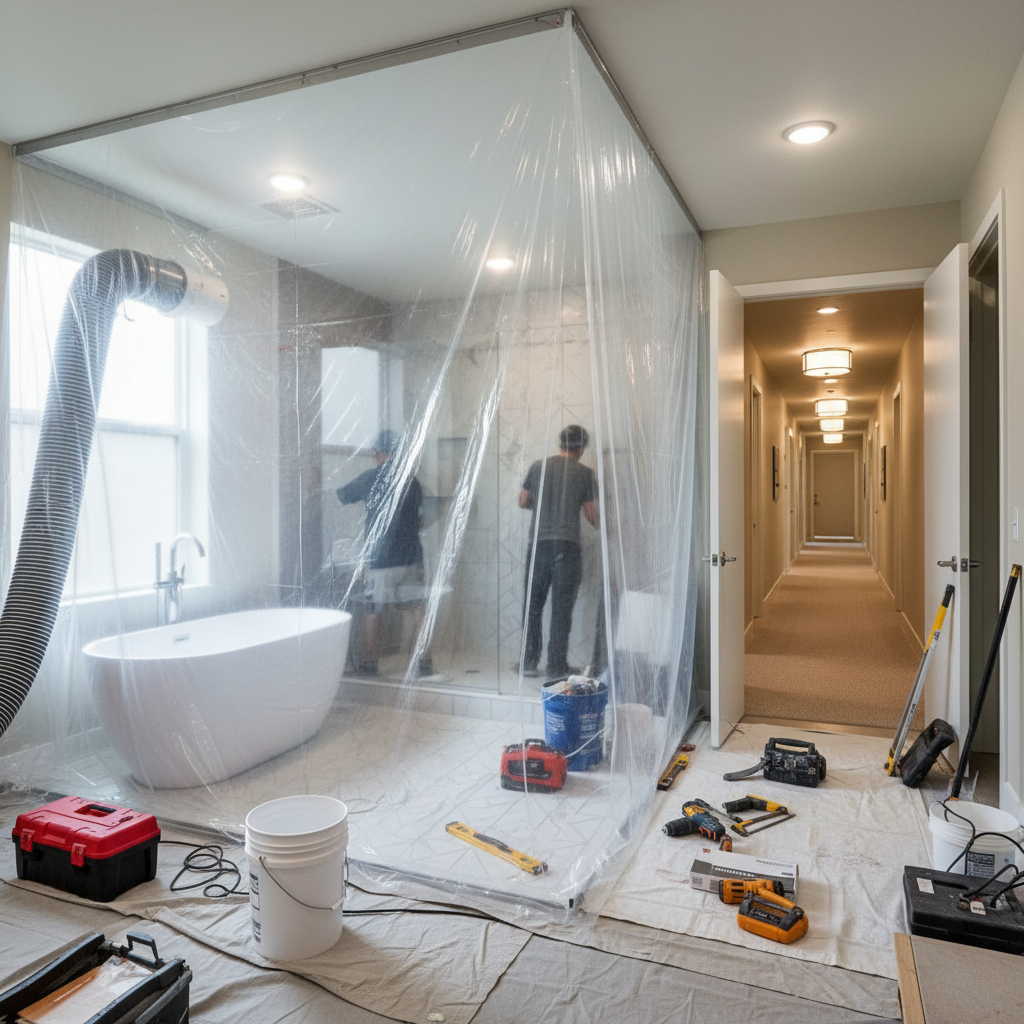
Bathroom remodeling for occupied buildings is the planned upgrade of in-place bathrooms while residents remain at home. At Mahal Concrete and Constructions in London, ON, we use phased schedules, dust containment, and tenant-first communication from our 805 Chelton Rd base to keep people safe and assets protected during every occupied-unit upgrade.
By Mahal Concrete and Constructions • Last updated: 2026-06-06
Summary
This complete guide explains how to plan and deliver occupied-unit bathroom remodeling with safety, speed, and consistency. You’ll learn definitions, why it matters for property managers, step-by-step workflows, phasing and containment methods, best practices, tools, local execution tips for London, and real multi-unit examples.
This guide is written for property managers and apartment owners stewarding multi-unit assets. Expect practical checklists, sample schedules, and standards we use on real projects across Southwest Ontario. Use it to brief stakeholders, align trades, and reduce vacancy time without displacing tenants.
- What “occupied-unit bathroom remodeling” means in multi-family settings
- Why it protects NOI, tenant satisfaction, and compliance
- Step-by-step workflow from assessment to handover
- Containment, negative air, and noise management methods
- Standardized finishes for portfolio consistency
- Local execution notes specific to London and ON
Want a walkthrough of our standardized approach? Visit our company homepage to see core services spanning full unit turnover, bathroom and kitchen remodeling, flooring, tiling, painting, repairs, and emergency stabilization.
- What Is Bathroom Remodeling for Occupied Buildings?
- Why It Matters for Property Managers
- How Bathroom Remodeling Works (Step-by-Step)
- Methods and Approaches
- Best Practices
- Tools and Resources
- Case Studies and Examples
- Executing in London, ON: Local Factors
- Frequently Asked Questions
- Conclusion and Key Takeaways
What Is Bathroom Remodeling for Occupied Buildings?
Bathroom remodeling for occupied buildings is a controlled renovation of fixtures, finishes, and plumbing while residents remain in place. It combines tenant-first scheduling, sealed containment, negative air with HEPA filtration, and rapid sequencing to minimize downtime, noise, and risk throughout a live building.
In multi-unit properties, “occupied-unit” remodeling means working around daily routines without sacrificing quality or safety. Rather than emptying entire floors, we isolate single bathrooms, seal work zones, and sequence tasks so water and power interruptions are brief and predictable.
- Scope elements: tub-to-shower conversions, tile replacement, waterproofing, vanity and countertop swaps, fixture and valve upgrades, painting, and punch repair.
- Controls: 6-mil poly containment, zipper doors, negative air, HEPA vacuuming (99.97% at 0.3 microns), and dustless cutting methods.
- Standardization: consistent finish packages and SKUs across units for uniform aesthetics and faster procurement.
- Documentation: daily logs, photos, and checklists that speed signoff and portfolio reporting.
Because tenants remain in place, communication is as critical as craftsmanship. Notices, day plans, and responsive updates keep expectations realistic and reduce friction in live buildings.
Why Occupied-Unit Bathroom Remodeling Matters
Occupied-unit bathroom remodeling protects tenant safety, reduces disruption, and preserves asset value. It shortens downtime, standardizes quality, and helps property teams deliver predictable upgrades without emptying units or extending vacancies across a building.
Remodeling without displacement isn’t only a convenience—it’s an operations strategy. It helps you capture rent continuity, maintain lease satisfaction, and avoid the compounding effects of delays on stacked risers.
- Continuity of operations: tenants stay in place; managers avoid extended vacancy chains.
- Risk reduction: sealed containment, electrical and water isolation, and safe egress planning reduce incident potential.
- Portfolio consistency: standardized finishes make future maintenance, turnovers, and parts ordering faster.
- Predictable timelines: a structured, end-to-end process reduces scope drift and rework.
Our team brings 500+ completed projects and 50+ years of combined experience to each program—evidence that discipline, not improvisation, drives results in occupied properties.
How Bathroom Remodeling Works in Occupied Units: Step-by-Step
Occupied-bathroom upgrades follow a tight sequence: assess and confirm scope, plan communications, stage materials, build containment and isolate utilities, perform selective demo, repair substrates and waterproof, install tile and fixtures, clean daily, then complete QA and handover.
We use a repeatable seven-stage workflow to minimize disruption and maximize quality:
- Site assessment and scope finalization. Verify existing conditions, plumbing stacks, shutoff access, ventilation, and substrate health. Align on fixture lists and finish packages.
- Tenant-first communications. Issue notices, confirm quiet hours, discuss accessibility needs, and outline bathroom downtime windows.
- Material staging. Pre-kit trims, valves, tile, and membranes. Where feasible, prefab valve assemblies or niche kits to save time on site.
- Containment and isolation. Install 6-mil poly, zipper doors, and floor protection; establish negative air with a HEPA scrubber; isolate water and power safely.
- Selective demolition. Remove damaged finishes carefully; use vacuum-equipped tools and wet-cutting outdoors to minimize dust.
- Rebuild and install. Repair framing or substrate, apply waterproofing, set large-format tile with leveling systems, and install fixtures, trims, and silicone seals.
- QA and handover. Daily cleanup, touchpoint sanitization, functional testing, punch closure, photos, and formal signoff.
The structure keeps water-off windows tight, noise concentrated, and the site clean so tenants can navigate daily life with minimal change.
Methods and Approaches That Limit Disruption
Limit disruption with phasing, negative air containment, quiet-hour scheduling, prefabricated assemblies, and standardized finish packages. These methods shorten water-off windows, cut dust at the source, and keep quality uniform across large portfolios.
We tailor methods to the building’s occupancy profile, stack configuration, and maintenance windows. The right playbook blends air control, noise timing, and prefabrication.
Phasing and Schedule Design
- Stack-by-stack phasing: move vertically so shutoff and access logistics repeat cleanly.
- Quiet-hour blocks: schedule cutting, coring, or hammering in short, published windows.
- Micro-milestones: use day plans (demo complete, substrate repaired, waterproofing applied, tile set, fixtures on, punch closed).
Containment and Air Quality
- Negative air with HEPA: create directional airflow from clean to work zone; filter particulates at 99.97% efficiency.
- Zipper doors and airlocks: maintain pressure and isolate dust when entering or exiting.
- Wet methods and vacuums: capture silica and tile dust at the source with vacuum-equipped tools.
Standardization and Prefab
- Finish packages: pre-selected tile, trims, valves, and vanities for speed and uniform aesthetics.
- Prefab assemblies: pre-plumbed valves, shower niches, and panel systems reduce on-site complexity.
- Documentation kits: repeatable install guides and photos speed onboarding across crews.
These approaches create repeatability. That’s how you protect timelines in live buildings—by removing variability before it shows up on site.
Best Practices for Occupied-Building Bathroom Work
Publish clear notices, protect paths, control dust and noise, use low-VOC, fast-cure products, and clean daily. Close punch lists quickly, document with photos, and standardize finishes so maintenance and future turnovers stay fast and predictable.
Across multi-family programs, a handful of habits deliver outsized results in live environments:
- 72-hour notice + daily updates: set expectations; share day plans and changes promptly.
- Tenant path protection: floor protection from the entry to the bathroom; clean, coiled cords and organized carts.
- Containment discipline: 6-mil poly, sealed penetrations, and a steady negative air setup.
- Low-VOC and fast-cure: adhesives, caulks, and paints that are nose- and time-friendly in occupied spaces.
- Daily sanitation: wipe touchpoints, vacuum, and bag debris before end-of-day.
- QA documentation: photos at substrate, waterproofing, tile, and final stages; track punch and close within 48 hours of substantial completion.
In our experience, consistent documentation and clean worksites reduce tenant escalations and speed final acceptance—two levers that protect rent continuity.
Tools and Resources We Rely On
Use HEPA vacuums and air scrubbers, zipper-door containment, moisture meters, membrane waterproofing, and large-format tile systems. Combine laser layout, vacuum-equipped saws, and fast-cure sealants to keep work precise and downtime short in live buildings.
Tools and materials shape both the craft and the tenant experience. Here’s what we deploy most in occupied-unit bathroom programs:
- HEPA air control: scrubbers and vacuums with sealed hoses, plus differential airflow for dust direction.
- Containment: zipper doors, 6-mil poly, ram board or similar floor protection, and painter’s tape suited to each surface.
- Waterproofing: sheet or liquid membranes at wet zones, with manufacturer cure windows respected before tile or sealant work.
- Tile systems: large-format leveling clips, spacers, and anti-lippage wedges for flat, uniform surfaces.
- Diagnostics: moisture meters for substrate checks; thermal imaging to trace hidden leaks before they spread.
- Safety and hygiene: PPE, dustless sanders, clean boot covers, and labeled bins for debris and recyclable packaging.
Precision tools yield consistent finishes; clean tools and controls yield happier tenants. Both matter equally in occupied spaces.
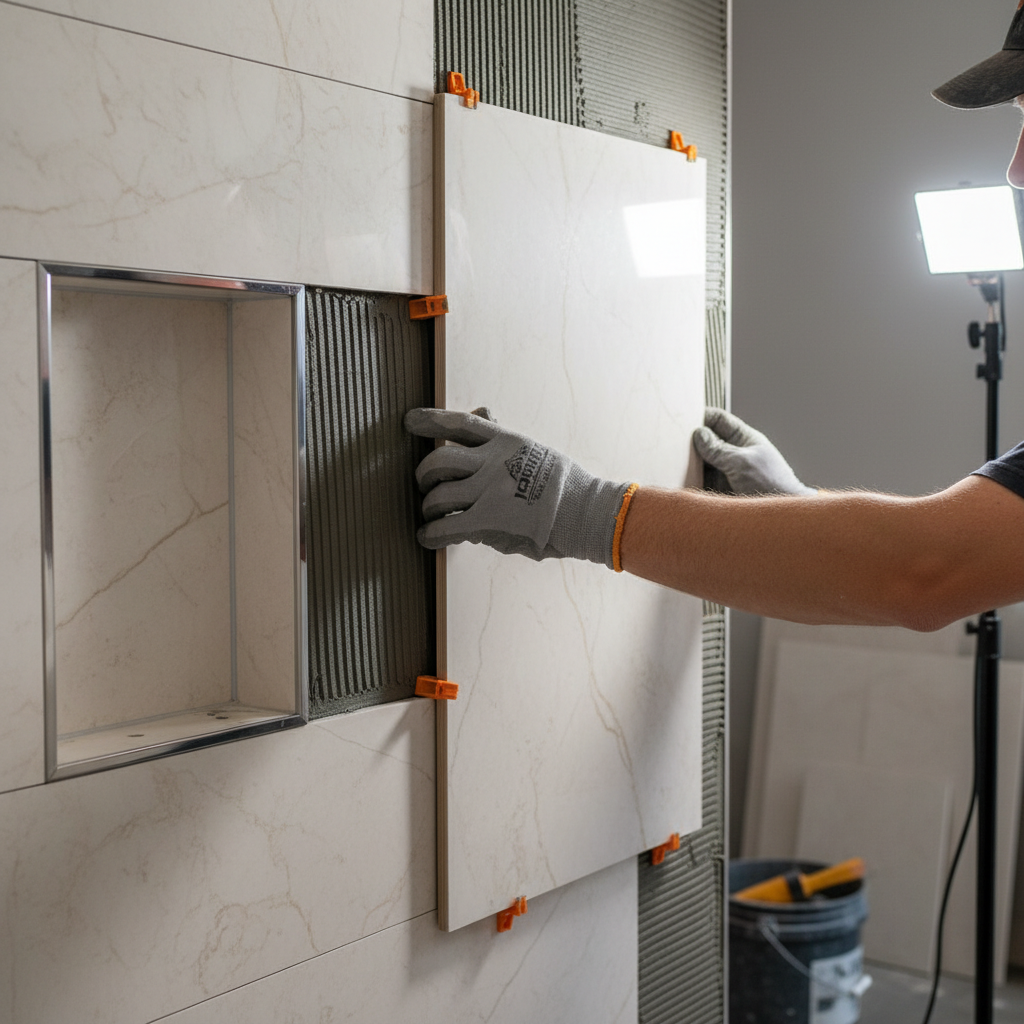
Downtime-Minimization Playbook (Process Table)
Minimize downtime by sequencing short, high-impact tasks into defined blocks: prep and isolate, demo and repair, waterproof and set tile, then fixtures and punch. Each block pairs noise controls, dust capture, and a scheduled water-off window.
| Block | Main Tasks | Primary Controls | Tenant Impact |
|---|---|---|---|
| Prep & Isolate | Containment, floor protection, shutoff confirm | Negative air, signage, path protection | Brief door access, no water-off yet |
| Demo & Repair | Selective demo, substrate fixes | Wet methods, HEPA vac, quiet-hour blocks | Short noise windows |
| Waterproof & Tile | Membranes, tile setting, grout | Ventilation, cure windows respected | Bathroom access coordinated |
| Fixtures & Punch | Valves, trims, silicone, QA | Touchpoint cleaning, photo docs | Return to normal use |
Publishing this sequence to tenants reduces anxiety, because they can see what’s next and when normalcy returns.
Case Studies and Examples
In occupied buildings, predictable sequencing, air control, and standard finishes turn complex work into routine. Multi-unit examples show how stacked risers, barrier-free conversions, and emergency stabilizations run smoothly without displacing residents.
Here are anonymized snapshots from programs our team has delivered across Southwest Ontario:
- Stacked upgrades, 12 units: We replaced surround panels with tiled showers on a two-per-day rhythm. Repeatable valve and trim kits kept risers consistent and minimized rework.
- Barrier-free conversions, 8 baths: In a senior community, we converted tubs to low-threshold showers, added grab bars, and used slip-resistant tile—all within quiet-hour blocks to respect neighboring units.
- Live emergency + planned follow-up: After stabilizing a failed mixer valve in a mixed-occupancy tower, we scheduled tier-by-tier replacements to prevent recurrence while keeping bathrooms available nightly.
Because we standardize finish packages and documentation, each subsequent unit goes faster, with fewer questions and cleaner punch outcomes.
Executing in London, ON: Local Factors
In London, ON, occupied-unit bathroom projects benefit from moisture diagnostics, winter-ready ventilation, and quiet-hour planning. Neighborhood expectations favor clean corridors, clear notices, and predictable water-off windows during daylight hours.
London’s climate can mask exterior-wall moisture. We check substrates with moisture meters and watch for seasonal condensation at cold bridges. We also plan negative-air exhaust paths that work in winter and summer so you’re not venting warm or cool air wastefully.
Local considerations for London
- Plan quiet-hour windows that respect daytime routines in London neighborhoods; publish noise and water-off windows before work begins.
- Account for colder months with sealed ventilation runs and energy-aware negative air to maintain comfort in occupied suites.
- Choose slip-resistant tile and low-VOC products that handle seasonal humidity swings without compromising indoor air quality.
To review our end-to-end approach across apartments and portfolios, start on our homepage. You can also review site policies at our privacy policy page.
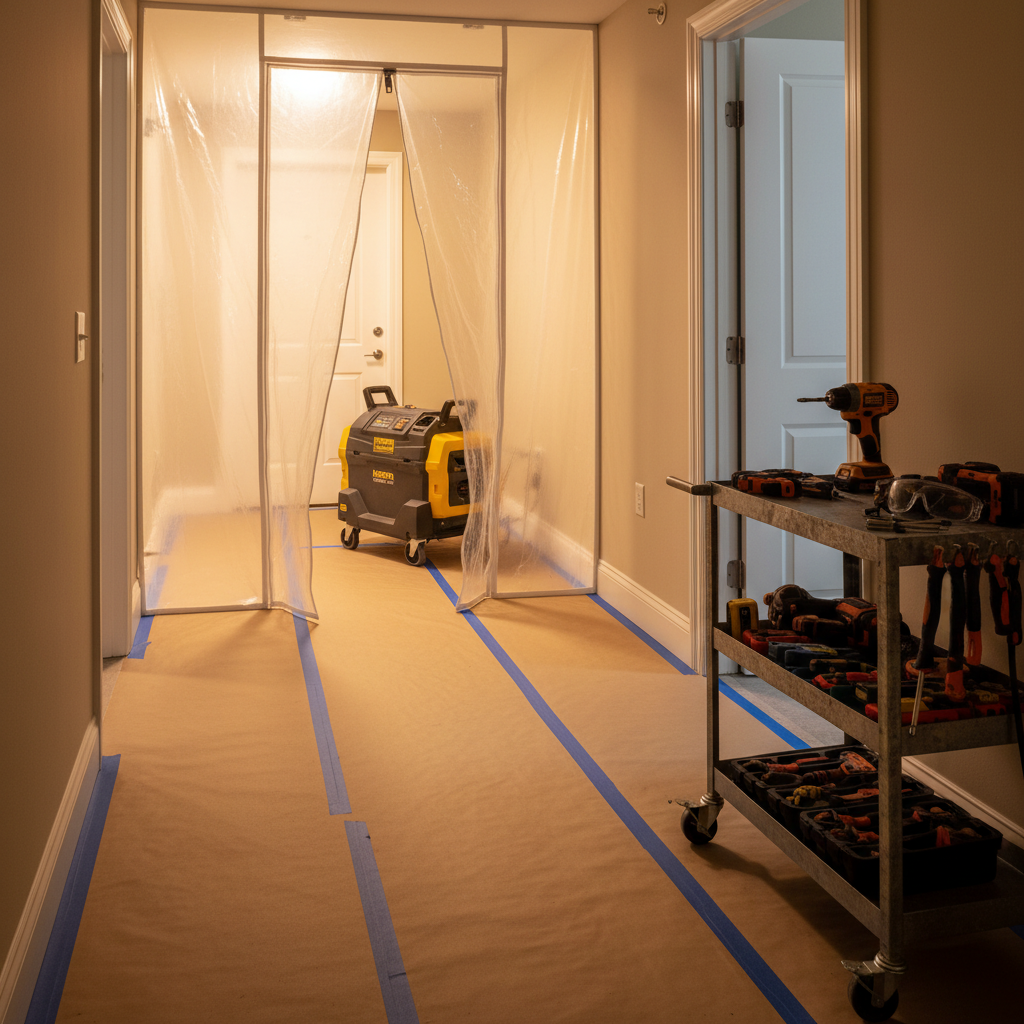
Need a plan for your live building?
Get a structured, low-disruption plan tailored to your building’s stacks, schedules, and tenant needs. We’ll map phasing, containment, finish packages, and handover milestones so you can upgrade bathrooms without extending vacancies.
Soft CTA: If you manage apartments in London or Southwest Ontario, we can help you scope occupied-unit bathroom work, align stakeholders, and finalize a schedule-driven plan. Start at our company site; navigation in our primary header and pre-footer helps you reach the right team quickly.
Methods Compared: No-Displacement vs. Partial Vacate vs. Night Shift
Choose methods by stack access and tenant profiles. No-displacement methods rely on tight containment and short water-off windows. Partial vacate unlocks heavier work. Night shift reduces daytime noise but demands strong supervision and notice discipline.
| Method | When to Use | Pros | Watch Outs |
|---|---|---|---|
| No Displacement | Light to moderate scopes; good stack shutoff access | Tenant continuity; minimal vacancy impact | Strict cleanliness and scheduling discipline required |
| Partial Vacate | Heavy demo or layout changes needing extended water-off | Faster heavy work; simpler logistics on a per-unit basis | Temporary housing coordination; increased tenant impact |
| Night Shift | Noise-sensitive buildings; tighter daytime rules | Quieter days; access to shared areas without traffic | More supervision; fatigue management; robust notices |
We select the lightest-possible method that achieves the scope safely, then standardize every repeatable element to protect timelines.
Standards and Documentation That Keep Programs On Track
Standard operating procedures, finish schedules, and photo checkpoints remove guesswork. Clear roles, issue logs, and daily debriefs keep multiple units in sync without sacrificing tenant comfort or craftsmanship.
In multi-unit bathroom programs, paperwork is a performance tool, not busywork. We use:
- Finish schedules: SKUs, grout colors, trims, and valves locked before day one.
- Photo checkpoints: substrate, waterproof, tile in place, final.
- Issue log: unexpected conditions tracked and resequenced transparently.
- Daily debrief: capture wins/risks; adjust next day plans.
These standards minimize surprises and let managers forecast completion with confidence across a whole stack.
Notes on Industry Guidance
Industry guidance on bathroom renovations emphasizes planning, waterproofing, and disciplined execution. Use credible references to align stakeholders on sequence, risks, and the value of preparation before demo begins.
For a general overview of renovation planning mindsets and common pitfalls, see this established publisher’s take on old bathroom renovation mistakes. Plumbing-focused reminders—like valve access and shutoff strategy—are covered in this plumbing guide. Broader building waterproofing context is summarized here: commercial waterproofing advantages. Use such references to inform planning conversations among owners, managers, and trades.
Frequently Asked Questions
Property teams ask how we keep tenants safe, how we manage water-off windows, and what happens when conditions change. Here are concise answers you can use to brief residents and stakeholders before work begins.
How do you keep tenants safe during an occupied bathroom remodel?
We build sealed containment with 6-mil poly, maintain negative air with HEPA filtration, isolate water and power safely, and keep clean paths with floor protection. Crews sanitize touchpoints daily and publish noise and access windows so residents can plan around short disruptions.
What’s the typical sequence for live-in bathroom upgrades?
Assess and confirm scope, align communications, stage materials, build containment, isolate utilities, perform selective demo, repair substrates, waterproof, install tile and fixtures, then complete QA and close punch. We time noisy work in short blocks and keep water-off windows tight and announced in advance.
Can you handle surprises like hidden moisture or failing valves?
Yes. We stabilize first to protect residents and neighbors, communicate scope impacts immediately, and resequence tasks so progress continues without compromising waterproofing or safety. Photo logs and issue tracking keep owners informed of decisions and next steps.
How do you ensure consistent results across many apartments?
We use standardized finish packages, documentation checkpoints, and repeatable methods (like valve kits and niche systems). Combined with daily debriefs and punch tracking, those controls deliver uniform quality across entire stacks and portfolios.
Conclusion and Key Takeaways
Bathroom remodeling for occupied buildings succeeds when safety, communication, and sequencing come first. Standardized finishes, negative air, and daily documentation keep tenants comfortable and programs predictable across multi-unit portfolios.
- Key takeaways
- Control dust and noise with sealed containment and HEPA filtration.
- Standardize finishes and documentation to scale quality.
- Publish tight water-off and noise windows; clean daily.
- Use moisture diagnostics and verified waterproofing before tile.
Next step: If you run apartments in London or Southwest Ontario, let’s map a tenant-first plan that fits your stacks and schedules. Start on our homepage to connect with our team.