
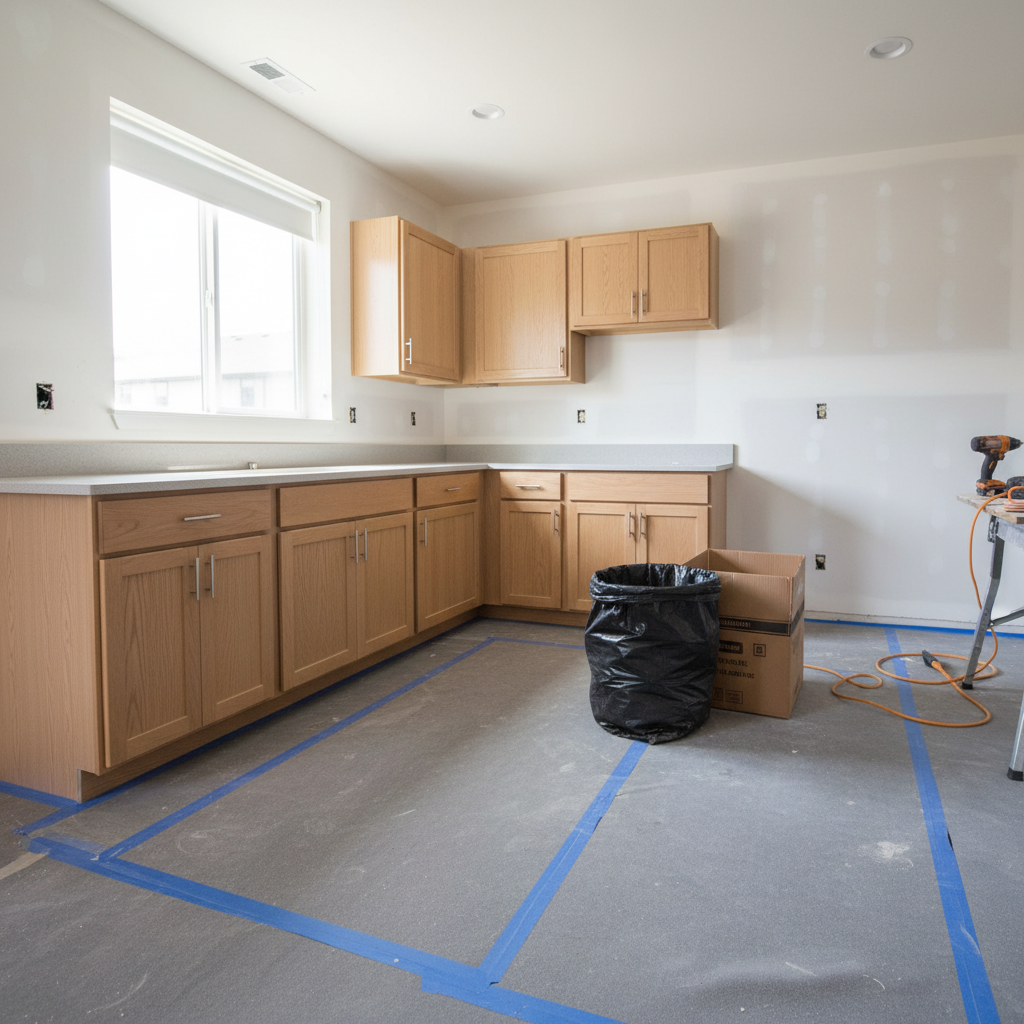
Kitchen remodel vs cabinet replacement refers to choosing between a full kitchen overhaul and a targeted cabinet-focused upgrade. For apartment portfolios in London, ON, our team at 805 Chelton Rd streamlines this decision with a structured process that reduces vacancy time while improving tenant appeal.
By Mahal Concrete and Constructions • Last updated: June 2, 2026
Overview
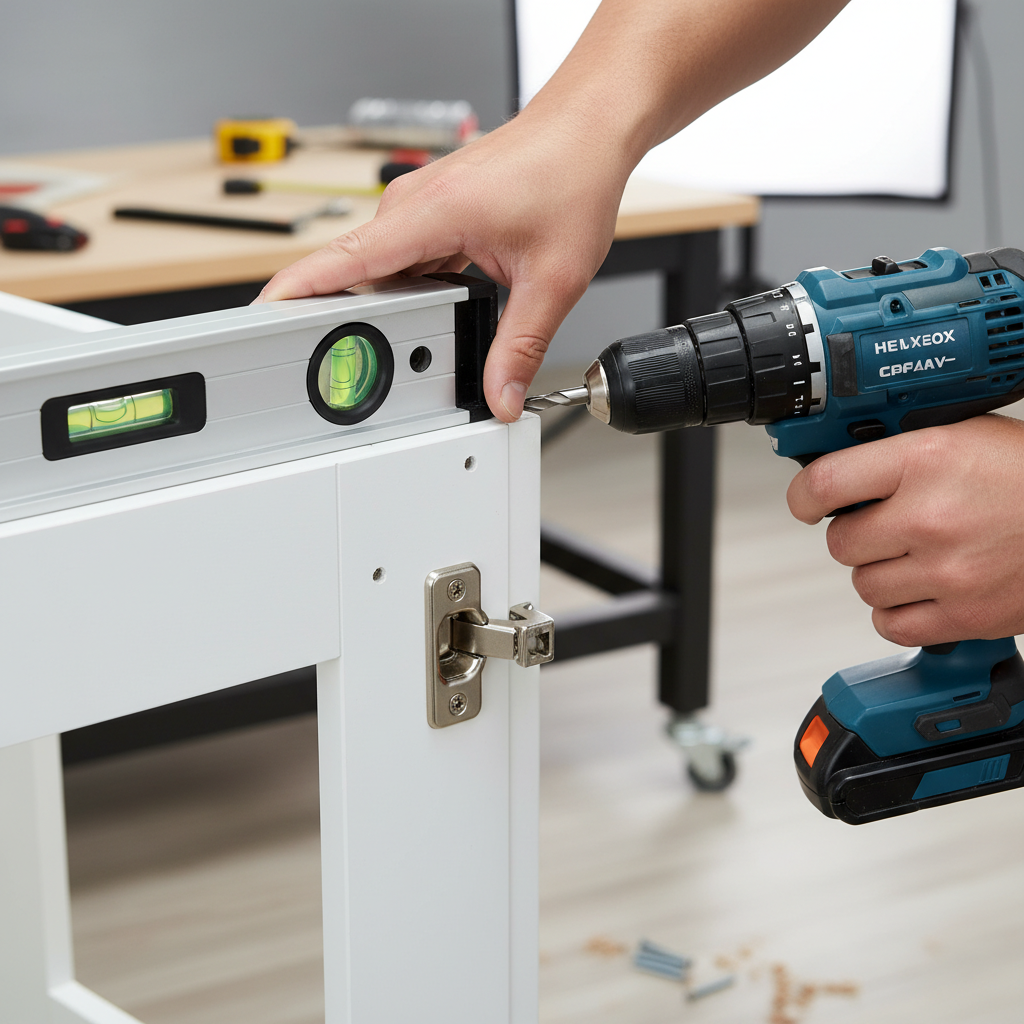
Choose a full kitchen remodel when you need layout changes, mechanical upgrades, and new finishes across the board; choose cabinet replacement when boxes are sound and you want a faster refresh. For multi-unit buildings, phase work to maintain occupancy and standardize finishes for easier turnovers.
A kitchen update in a rental has two common paths: a holistic remodel or a cabinet-focused refresh. Your best route depends on code needs, layout constraints, and how fast you need units back on market. We specialize in multi-unit execution with standardized, durable finishes for consistent results across properties.
Quick Summary
Remodels change layout, services, and all surfaces for maximum impact. Cabinet replacement retains layout and refreshes doors, boxes, and hardware for speed. For portfolios, standard SKUs and tight sequencing keep units move-in-ready with minimal vacancy.
- Big picture: Full remodel = maximum change; cabinet replacement = targeted refresh.
- Timeline: Cabinet projects often fit between tenant turnovers; remodels need more coordination.
- Quality control: Standardized finishes and checklists deliver uniform results across units.
- Safety & compliance: WSIB-compliant, fully insured crews; occupied-building protocols.
- Portfolio lens: Specify repeatable materials and layouts to simplify maintenance.
Kitchen Remodel vs Cabinet Replacement: Quick Comparison
A full remodel reworks layout, plumbing, electrical, and all finishes; cabinet replacement keeps the layout and focuses on doors, boxes, and hardware. For apartments, cabinet replacement speeds turnovers; remodels solve chronic layout and service constraints for long-term asset value.
| Factor | Full Kitchen Remodel | Cabinet Replacement |
|---|---|---|
| Scope | Layout changes; new cabinets, counters, backsplash; plumbing/electrical updates | New cabinet boxes/doors, hardware; optional countertop swap |
| Typical Duration | Multi-phase; aligns with vacancy windows and inspections | Short, often within a standard turnover schedule |
| Disruption | Higher; best planned between leases or in phased zones | Lower; targeted to kitchen area with clean containment |
| Permitting | Common when moving services or altering walls | Limited; generally not needed if layout and services stay |
| Investment Level | Higher (whole-space transformation) | Moderate (surface-and-storage refresh) |
| Standardization | High; specify portfolio-wide layouts and SKUs | High; select repeatable door styles and hinges |
| Tenant Appeal | Maximum change; modern layout and finishes | Strong uplift; fresh doors/hardware feel new |
| Risk Management | Replaces aging services; reduces future failures | Relies on existing services; inspect before commit |
In our experience across 500+ projects, compact rental kitchens average 10–14 linear feet of base cabinetry. That footprint often drives whether a faster cabinet swap or a deeper reconfiguration makes sense during the turnover window.
Our Top Pick
For most apartment portfolios, start with cabinet replacement plus hardware and counter upgrades. It’s the fastest path to a like-new look while keeping the layout intact. Reserve full remodels for units with chronic layout, service, or compliance issues.
Here’s the thing: you want units back on market quickly, looking fresh, and standing up to traffic. Cabinet replacement plus soft-close hinges, durable laminate or solid surface counters, and a new backsplash can transform a space without moving services. We standardize SKUs, colors, and trims so your maintenance team can stock fewer parts and resolve issues faster.
- Speed to market: Coordinated crews can align cabinet, top, and tile in a tight sequence.
- Portfolio consistency: Repeatable selections simplify reorders across properties.
- Quality gains: Soft-close hardware and durable finishes reduce callbacks.
- Risk control: Fewer service moves mean fewer unknowns during turnovers.
When we see sagging floors, failing plumbing stacks, or electrical limitations, we pivot to a remodel plan. That’s where our end-to-end process—site assessment, proposal and timeline, scheduled execution, and quality check—keeps projects on track and safe for occupied buildings.
Entry #2–10: Other Smart Ways to Decide and Save
Use these nine field-tested approaches to choose between a remodel and cabinet replacement. They balance turnaround time, durability, compliance, and tenant appeal—so your units show well, pass inspections, and stay consistent across a portfolio.
2) Audit the boxes before replacing
- What to check: Plumb/square, water damage, delamination, and anchor integrity.
- Why it matters: Sound boxes with tired doors are prime candidates for fast replacement.
- Action: During our site assessment, we mark cabinet sections A/B/C (keep/repair/replace) to scope efficiently.
- Portfolio tip: A/B/C maps reduce surprises across similar stacks of units.
We’ve found 60–80% of boxes in well-maintained rentals remain serviceable—meaning new doors, hardware, and fillers deliver a like-new look without full removal.
3) Standardize hinge/handle hardware across buildings
- Benefit: One hinge spec and two handle SKUs cut ordering time and simplify repairs.
- Example: Soft-close, full-overlay hinge + 5-inch pull in brushed nickel covers 90% of styles tenants expect.
- Action: We document hardware SKUs in the handover packet for maintenance teams.
Standardization trims unit prep times by several hours during future turnovers and improves the perceived quality of your whole asset.
4) Keep the layout; upgrade work surfaces
- Approach: Replace counters and add a durable backsplash while keeping services.
- Durability: Moisture-resistant laminate or solid surface resists stains and cleans fast.
- Action: We template counters immediately after cabinet set to compress the schedule.
For compact kitchens, 30–40 square feet of new countertop and a classic subway tile can visually double brightness and perceived space.
5) Solve venting and GFCI gaps even if you keep cabinets
- Safety: Address venting clearances and GFCI protection during any kitchen work.
- Action: Our WSIB-compliant crews verify protection and label panel schedules during the quality check.
- Portfolio win: Standard electrical notes reduce inspection friction building-wide.
We routinely find 2–3 code-related adjustments per legacy kitchen—tackling them during a refresh prevents future service calls.
6) Choose high-traffic materials with proven wear
- Cabinets: Durable finishes and edge-banding prevent chipping from frequent use.
- Floors: Pair kitchen updates with Flooring and Tiling to eliminate trip hazards.
- Walls: Paint and Repairs with a washable eggshell boosts longevity.
Coordinating floors, cabinets, and paint in a single visit often saves a return trip and 1–2 calendar days of downtime per unit.
7) Phase remodels building-by-building
- When to remodel: Chronic layout issues (bottleneck galley, inadequate outlets, failing plumbing runs).
- Execution: We stage materials, isolate dust, and use tenant-friendly schedules.
- Outcome: A reconfigured triangle, proper lighting zones, and modern storage can increase showings.
In our experience, phased remodels increase operational predictability and reduce tenant disruption compared to ad-hoc unit-by-unit overhauls.
8) Bundle simple upgrades with cabinet replacement
- Easy wins: New sink/faucet, under-cabinet lighting, and a backsplash added to cabinet work.
- Sequencing: Plumbing adjustments occur right after countertop set for clean connections.
- Result: A cohesive, contemporary look that photographs well for listings.
Units with three or more fresh visual touchpoints (doors, tops, tile) typically attract higher engagement on rental portals.
9) Use a portfolio playbook
- Document: SKUs, paint codes, grout colors, and hinge types in one place.
- Why: Faster make-readies and fewer mismatches across similar stacks.
- Action: Our handover package includes a one-page kitchen specification summary for your team.
Playbooks cut decision time per unit by hours, especially during peak turnover months.
10) Validate services with a pre-refresh inspection
- Checklist: Shutoff valves, trap integrity, appliance circuit ratings, and venting pathways.
- Why now: Discovering a hidden service issue mid-swap adds delays.
- Action: We include a short mechanical/electrical checklist in our site assessment.
We catch small issues—like loose shutoff stems or undersized appliance circuits—early, so the refresh stays on schedule.
How to Choose for Your Building
Start with building goals: speed vs transformation. If services and layout are serviceable, prioritize cabinet replacement plus counters and lighting. If layout or code gaps limit livability, plan a phased remodel with clear milestones and standardized finishes.
- Define your objective: Reduce vacancy quickly, or reposition the asset with a modern plan.
- Assess constraints: Electrical capacity, plumbing age, venting paths, and wall conditions.
- Select materials: Durable, easy-to-clean, and standardized across the portfolio.
- Schedule windows: Align with tenant turnover and inspection availability.
- Quality controls: Use checklists at rough-in, set, and handover.
Many managers blend strategies: cabinet replacement now for the majority of units; targeted remodels where layout or services fail. This hybrid approach balances near-term leasing with long-term property value.
Local considerations for London
- Seasonal humidity shifts warrant careful caulking and expansion gaps around tile and counters; we note these in our handover.
- Peak turnover often clusters around spring and late summer; pre-book crews to maintain predictable timelines.
- Occupied-building etiquette—clean containment and quiet-hour scheduling—helps minimize disruption and complaints.
Buying Guide: Specifications That Pay Off
Specify durable cabinet finishes, soft-close hardware, and easy-to-clean counters and tile. Choose neutral, portfolio-ready colors and document SKUs. This reduces future mismatch risk, shortens make-readies, and keeps units consistent across buildings.
- Cabinet construction: Solid, square boxes; robust edge-banding; verified anchors.
- Hardware: Soft-close hinges and slides; one handle style across assets.
- Counters: Stain-resistant surfaces that template quickly after cabinet set.
- Backsplash: Classic tile patterns that install fast and age well.
- Lighting: Bright, efficient fixtures; consider under-cabinet for task zones.
- Paint system: Washable eggshell in a neutral, portfolio-driven palette.
For teams managing many addresses, consistent materials drive maintenance efficiency and help units photograph similarly for marketing, improving leasing speed.

How We Deliver in London, ON Apartments
In London, ON, we execute kitchen updates with phased schedules, clean containment, and standardized finishes. Our WSIB-compliant teams coordinate cabinets, counters, tile, and paint so units return to market quickly and show consistently across your portfolio.
From first site assessment to final handover, our process is built for occupied properties and tight schedules. We stage materials off-site, protect common areas, and integrate Flooring and Tiling and Paint and Repairs so kitchens return to service with minimal tenant disruption.
- Structured steps: Site assessment → proposal and timeline → scheduled execution → quality check and handover.
- Safety-first: Fully insured, WSIB-compliant crews working under clear building rules.
- Predictable delivery: Coordinated trades and standardized SKUs keep schedules tight.
Explore our structured approach and multi-unit focus on the Mahal Concrete and Constructions website for more on standardized finishes and unit turnover readiness.
Pricing Without Numbers: How to Think About Investment
Think in value tiers: cabinet replacement is a targeted refresh; full remodels are transformational. Evaluate lifecycle durability, code benefits, and leasing impact—not just the upfront investment—when choosing between the two.
- Drivers of investment: Service moves, inspections, structural changes, and premium materials.
- Value lenses: Faster leasing, fewer service calls, and reduced make-ready times.
- Portfolio math: Standardizing SKUs across properties reduces long-term variability.
For broader context on options and planning, see these perspectives on replacing vs. refacing cabinets and working with kitchen renovation contractors. For surface-focused updates, a cabinet refinishing guide outlines what a light-touch refresh can (and can’t) achieve.
Methodology
We prioritize portfolio outcomes: reduce vacancy, standardize finishes, and improve durability. Our recommendations come from 500+ multi-unit projects delivered with a WSIB-compliant, fully insured team using a documented assessment-to-handover workflow.
- Data inputs: Unit size, service age, inspection history, and leasing cadence.
- Field checks: Cabinet plumb/square; electrical protection; shutoff function; ventilation paths.
- Controls: QA checklists at major milestones; punch-list closure before handover.
- Documentation: SKUs and finishes logged for portfolio consistency.
We adapt the same framework to bathrooms, flooring, paint, and emergency stabilization—keeping execution predictable across your buildings. Review our author profile for project insights on our author page. For safety and compliance language across our operations, see the terms and conditions.
Frequently Asked Questions
These quick answers help property managers and landlords decide whether to pursue a remodel or cabinet replacement and how to plan execution across multiple units without disrupting residents.
How do I decide between a remodel and cabinet replacement?
If layout, plumbing, and electrical are serviceable, cabinet replacement with counters and lighting usually delivers the best speed-to-market. If code gaps, failing services, or poor workflow hinder livability, plan a phased remodel with standardized finishes and a clear timeline.
Can I keep tenants in place during kitchen updates?
Often, yes for targeted cabinet and surface updates with clean containment and off-site staging. For full remodels, we recommend aligning work with turnover windows or using phased zones to limit downtime and maintain safety protocols in occupied buildings.
What materials stand up best in high-traffic rentals?
Use durable cabinet finishes with reinforced edge-banding, soft-close hardware, stain-resistant counters, classic tile patterns, and washable eggshell paint. Standardize SKUs across properties so replacements match and maintenance stays fast.
How do you keep projects on schedule across many units?
We sequence trades tightly, stage materials off-site, and use the same SKUs building-wide. Our process—assessment, proposal and timeline, scheduled execution, and quality check—keeps each unit predictable, with punch lists closed before handover.
Key Takeaways
Cabinet replacement is the fastest path to a like-new rental kitchen; full remodels solve deeper layout and service issues. Standardize materials and sequencing across your portfolio for reliable timelines and consistent tenant appeal.
- Cabinet replacement + counters/lighting yields strong visual uplift fast.
- Remodels address code, services, and workflow for long-term value.
- Standard SKUs and QA checklists cut make-ready time across units.
- WSIB-compliant, fully insured execution protects residents and assets.
Need a portfolio-ready plan?
Let’s align your kitchens to a standard that photographs well, leases faster, and holds up to traffic. We’ll assess units, document SKUs, and sequence work for minimal downtime.
Soft CTA: Book a structured kitchen assessment with our multi-unit team in London. We’ll return a playbook, timeline, and standardized finish package to keep your turnovers predictable.
1 thought on “10 Ways to Save on Your Kitchen Remodel or Cabinet Replacement (2026)”