
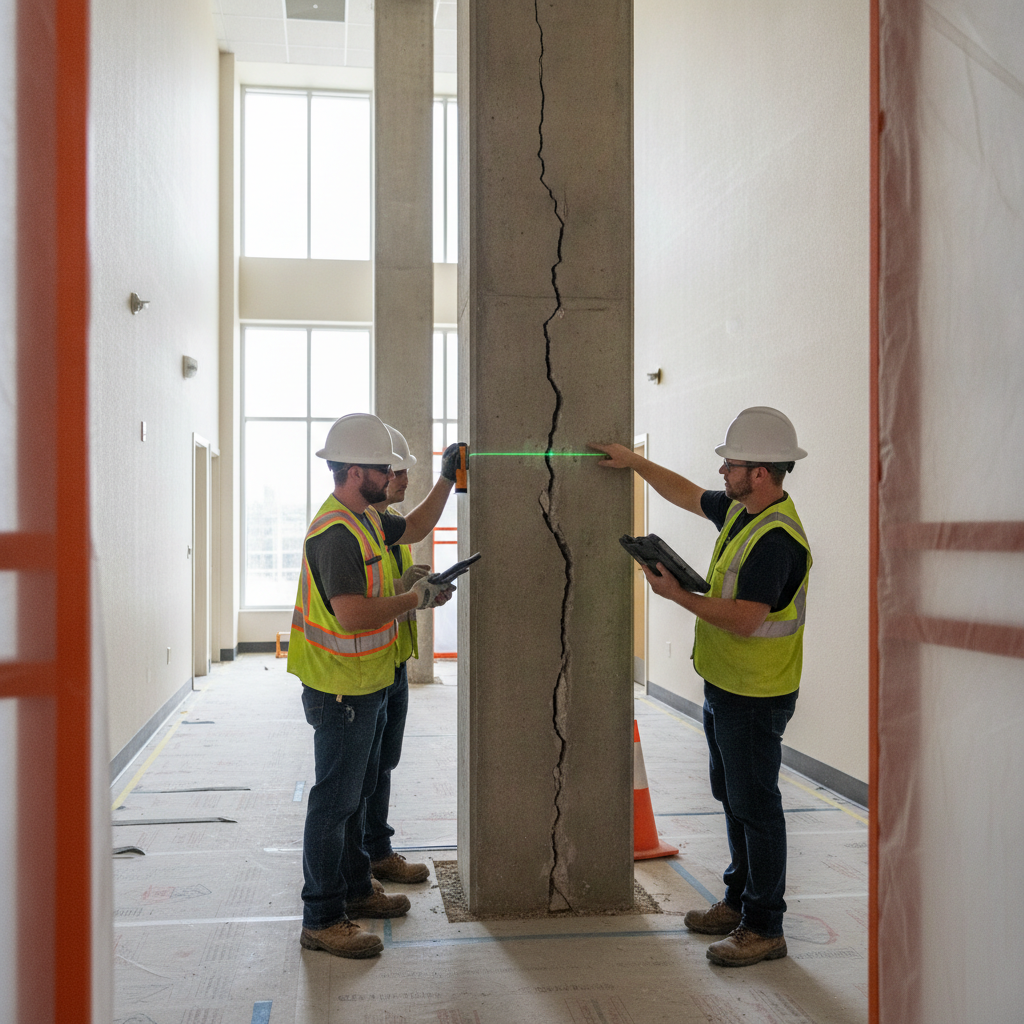
Structural damage repair for apartment units is the rapid stabilization and rebuilding of load-bearing elements in a dwelling—slabs, beams, columns, and structural walls—so the unit is safe and rentable again. The work starts with life-safety measures, then progresses from structure to systems to finishes. In London, we organize this end to end for multi-unit buildings.
| Service area | London and Southwest Ontario |
|---|---|
| Hours | Mon–Fri, 8:00 AM–5:00 PM |
| Core apartment services | Emergency stabilization, structural and surface damage repair, full unit turnover, bathroom and kitchen remodeling, flooring and tiling, paint and repairs |
| Compliance | Fully insured, WSIB‑compliant team |
| Execution model | Structured, schedule‑driven work in occupied buildings |
| Track record | 500+ projects; 50+ years combined experience |
Overview
This service guide gives London property managers a practical decision path for structural damage repair for apartment units: what triggers an emergency call, how to stage work so neighbors can stay put, and how to finish with a clean, consistent turnover using standardized materials.
Structural Damage Repair for Apartment Units: What Counts vs. Cosmetic
Treat anything that moves load or shows measurable deflection, shear, or spalling as structural. Drywall seams, loose tile, and scuffed paint are cosmetic. In practice, stabilize first, then fix causes like moisture or impact before touching finishes.
Real talk from the hallway: if you smell wet concrete and drywall dust in the corridor, containment isn’t set right. That slows tenants and triggers complaints. We set negative air and zipper walls before demo, so neighbors can keep living their lives.
- We see often: diagonal shear near door and window openings, slab spalling that exposes rebar, or a load-bearing partition hit during a move.
- Our stance on injection: Epoxy injection is fine for tight, non-shear cracks where rebar is continuous. If concrete is crushed or the crack runs through a shear zone, we design a structural repair—no band-aids.
- Shoring policy: If there’s visible deflection, audible creaking, or an impact to a bearing member, we shore first and debate later. Shoring is cheap insurance.
Want a stabilization-first playbook? See our stabilization guide.
Step-by-Step: How Property Managers Should Respond to Structural Damage
Lock down safety, document fast, and get same-day stabilization. Then open walls/floors surgically to find the full extent, isolate utilities, and run a fixed repair sequence. Tight communication keeps neighboring units calm and access predictable.
- Secure and contain: Restrict the unit, shut affected utilities, lay path protection, and set negative air. The goal is a clean, quiet hallway.
- Document properly: Short video walkthroughs beat photos. Narrate active drips, soft spots, and any door binds.
- Stabilize same day: We brace, shore, and start moisture control. See our emergency services.
- Scope and schedule: Site assessment, clear scope, and a calendar your tenants can live with. Here’s our turnover planning.
- Coordinate insurance early: Prepped docs and a simple incident log smooth approvals. For basics on risk transfer, review this landlord insurance guide.
- Execute and verify: Structure → systems → finishes, then a final walkthrough and handover.
We aim to keep adjacent units occupied. That means quiet-hour windows, dust control, and no surprise shutdowns.
Which Repairs Are Needed — and in What Order
Repair in layers: stabilize the structure, solve water and utility issues, then rebuild finishes. Jumping ahead to paint or tile guarantees rework. Our foreman runs a fixed sequence so days aren’t lost to backtracking.
| Damage type | Immediate action | Follow-on trades |
|---|---|---|
| Cracked concrete column/beam | Engineer review; shore/brace | Structural repair; then wall repairs and full-unit painting |
| Slab spalling with rebar | Containment; corrosion control; dry-down | Patch/epoxy; flooring and tiling restoration |
| Load-bearing wall impact | Temporary support; structural carpentry | Framing; wall repairs and patchwork; paint |
| Water intrusion in bath/kitchen | Stop source; mold-safe demo; dry-out | Plumbing adjustments; tile installation; cabinet replacement; countertop installation |
We don’t leave you with a gutted room. Once the slab or framing is fixed and moisture is cleared, we tile, fixture, and finish in the same mobilization—no second crew six weeks later. If the event started with a water issue, this water main break primer helps explain upstream plumbing risks.
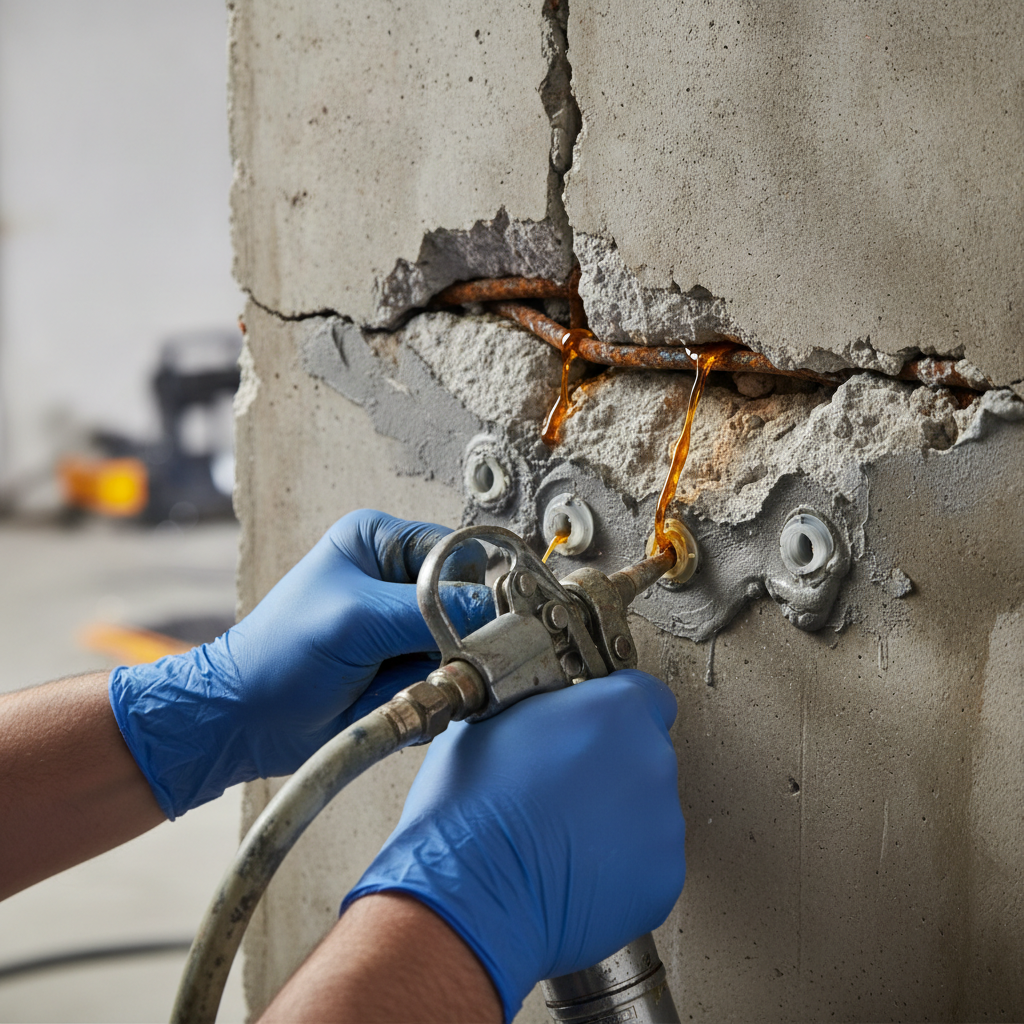
Unit Turnover After Structural Damage: What the Repair Scope Looks Like
A clean turnover scope carries you from stabilization to move-in ready: fix structure, verify plumbing and electrical, then rebuild walls, tile, flooring, cabinets, paint, and clean. Standardized finishes speed approvals across your portfolio.
- Structure and framing: Concrete repair, structural carpentry, moisture checks.
- Systems check: Plumbing adjustments and electrical tests before closing walls.
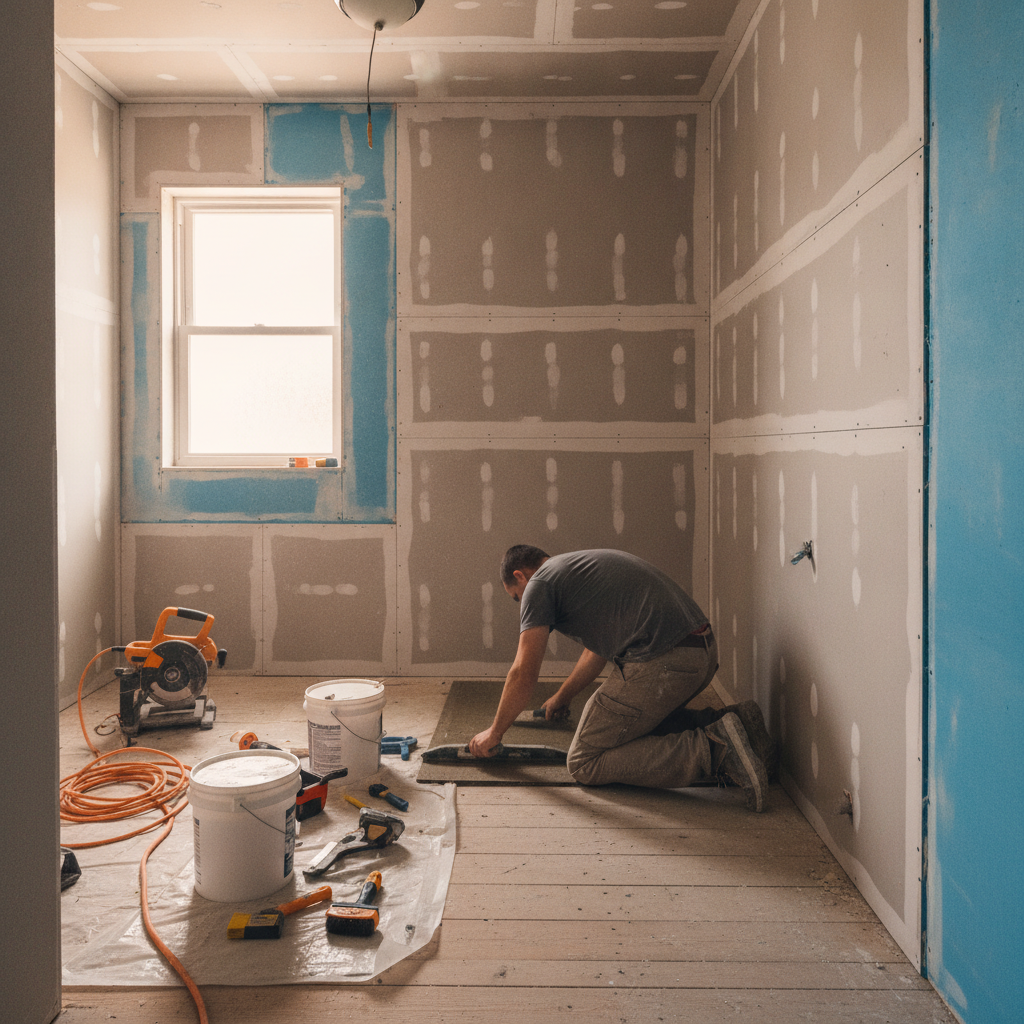
- Surfaces: Wall repairs and patchwork, full-unit painting, tile installation, flooring and tiling.
- Kitchens/baths: Cabinet replacements, countertop installation, fixture upgrades, waterproofing.
- Finish and handover: Surface preparation, cleaning and finishing, quality check and final handover.
Batching several units? Our unit turnover checklist aligns scopes, materials, and access windows.
How to Minimize Vacancy Time During Structural Repairs
Keep neighbors in place by containing dust and noise, standardize finishes to cut decisions, and run a fixed trade sequence. While repairs cure, we pre-stage materials and off-site assemblies so the handoff moves.
- Containment-first: Negative air and zipper walls mean clean halls and fewer complaints.
- Standardized finishes: Pre-approved paint, tile, and fixtures eliminate selection delays.
- Trade choreography: Structure → systems → drywall → flooring → paint → punch. No improvising, no backtracking.
- Parallel prep: While concrete cures or framing inspections queue, we cut tile, assemble cabinets, and stage trim.
- Clear notices: Predictable updates reduce missed access and rescheduling.
For expectations on amenities and durability, skim these housing feature rundowns as you choose finishes that can handle turnover traffic.
Need same-day stabilization? Our WSIB-compliant crew can secure the unit today, set containment, and begin assessment. Start with our emergency checklist and we’ll coordinate multi-unit scheduling.
Local Tip for London-Area Property Managers
Pre-approve a standing finish set and keep a small buffer of those SKUs on site. In busy London turnover seasons, that trims days from lead time and keeps results uniform across buildings after structural events.
Fast-track approvals with a standing finish set
We maintain a catalog of durable, high-traffic materials that perform well in multi-unit buildings. Pre-selecting these lets our team mobilize faster after a structural incident and keeps results consistent across your portfolio.
Local considerations for London
- Book loud work inside daytime windows common to London rentals to respect quiet hours.
- Winter dry times stretch—plan extra dehumidification for bathrooms and kitchens to protect tile and paint.
- Reserve elevator pads and path protection early so common areas stay clean during multi-unit turnovers.
FAQ
Quick answers to the most common questions we hear from London property managers managing structural damage repair for apartment units.
What’s the line between an emergency and a scheduled repair?
If a load-bearing member is damaged, a wall or slab shows deflection, or water is reaching framing, it’s an emergency—stabilize the same day. Scuffed paint, hairline drywall cracks, or minor grout issues can be bundled into a scheduled turnover.
Can tenants remain in neighboring units during repairs?
Often, yes. With containment, negative air, and predictable work windows, neighbors can stay put. We map deliveries and noisy tasks to tight daytime slots to cut disruption.
Do you coordinate with insurers and engineers?
Yes. We document with photos/video, share a clear scope and calendar, and loop in the engineer when a designed repair is warranted. That alignment speeds approvals and inspections.
How do you avoid repeat damage after repainting or retiling?
Fix causes first: stabilize structure, address plumbing or envelope issues, verify dry standards, and then rebuild. Standardized, durable finishes handle rental traffic better and reduce future touch-ups.
Key takeaways
- Stabilize first, then rebuild—structure → systems → finishes.
- Containment and standardized finishes shorten vacancy time.
- Keep neighbors in place by setting clear work windows and clean paths.
- Finish the room in the same mobilization so you’re rent-ready faster.