

An apartment renovation planning checklist is a step-by-step framework that sequences scope, permits, materials, scheduling, and quality checks to deliver move-in-ready units. At our London, ON base (805 Chelton Rd), Mahal Concrete and Constructions uses this checklist to coordinate kitchens, bathrooms, flooring, painting, and handover—cutting vacancy days and preventing rework.
By Mahal Concrete and Constructions • Last updated: 2026-05-08
Above-Fold: Hook, Outcomes, and Table of Contents
Use one standardized checklist to plan multi-unit renovations with clarity. Map scope, line up approvals, lock materials, and stage trades in the right order. The result is predictable timelines, standardized finishes, faster turnovers, and fewer callbacks across your apartment portfolio.
Here’s what you’ll get from this complete guide and practical checklist:
- Clear, repeatable phases for kitchens, bathrooms, flooring, paint, and final QA
- Portfolio-friendly planning for occupied buildings and stacked suites
- Actionable templates: scope, material matrix, QA signoff, and handover
- Comparison table: DIY vs manager-led vs contractor-managed
- Buying guide for durable, easy-to-clean finishes
- What Is an Apartment Renovation Planning Checklist?
- Why It Matters for Multi-Unit Properties in London, ON
- How the Checklist Works: A Step-by-Step Process
- Types/Methods/Approaches by Building Condition
- Best Practices from 500+ Projects
- Tools and Resources You Can Use
- Comparison: DIY vs Manager-Led vs Contractor-Managed
- Buying Guide: Finishes and Fixtures
- Case Studies and Real-World Examples
- FAQ
- Conclusion and Key Takeaways
Quick Summary
Plan apartment renovations with a single, living checklist that aligns scope, permits, procurement, scheduling, and quality assurance. Lock decisions early, standardize finishes, and stage work area-by-area to cut vacancy days and protect resident experience in occupied buildings.
This summary helps you scan the core flow fast:
- Define objectives: safety, compliance, durability, and move-in readiness
- Sequence work: demo → rough-ins → surfaces → fixtures → paint → QA → handover
- Standardize finish kits to reduce variance and speed inspections
- Document QA with photos and signoffs per room/area
- Close with a structured handover and key return
What Is an Apartment Renovation Planning Checklist?
An apartment renovation planning checklist is a structured set of tasks, approvals, and inspections that guides each stage of a unit refresh. It keeps multi-trade work aligned, sets quality thresholds, and ensures the suite is move-in ready at handover with no loose ends.
In our experience executing 500+ projects across multi-unit buildings, the checklist is the control tower. It integrates scope decisions, trades, safety, and scheduling into one working document that lives from pre-walk to final handover. It prevents common misses like unsequenced rough-ins or forgotten trim that delay occupancy.
- Core components: scope items by room, approvals and permits, procurement list, schedule by area, inspection points, QA photos, and signoffs.
- Why it matters: reduces rework, tightens durations, and standardizes finishes—especially critical for portfolios where tenants compare units side-by-side.
- Who benefits: property managers, landlords, and maintenance leaders overseeing stacked or scattered units with limited vacancy windows.
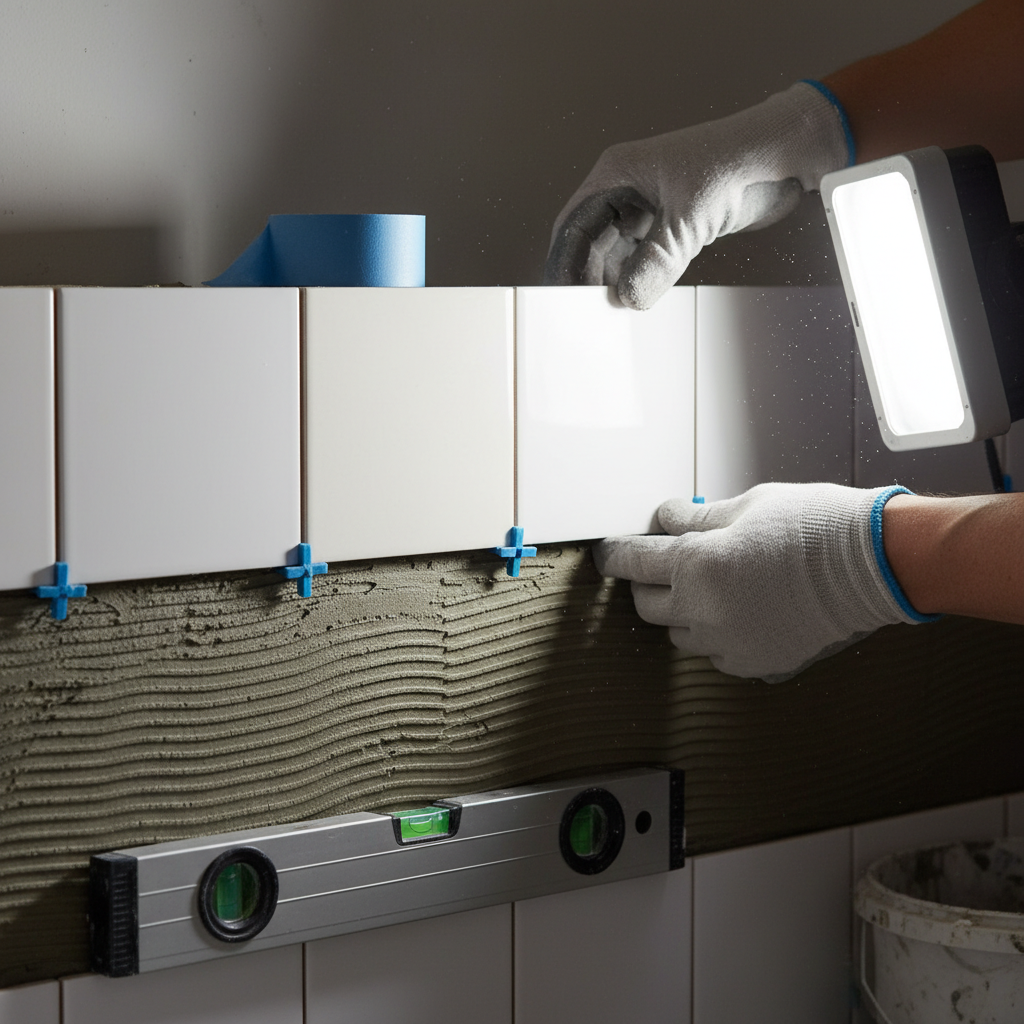
We build every checklist around real conditions in each suite: plumbing runs, panel capacity, substrate condition, and access constraints. For example, tile layout and underlayment choices are locked before ordering to avoid site-day improvisation. This alone can prevent 1–2 calendar days of slippage per unit.
To see how our standardized approach translates across scopes, browse our company overview and note our emphasis on full unit turnovers, bathroom and kitchen remodelling, flooring and tiling, painting, and emergency stabilization.
Why It Matters for Multi-Unit Properties in London, ON
In London, ON, a portfolio-ready checklist keeps work compliant and predictable in occupied buildings. It sequences trades, aligns inspections, and standardizes finishes so every unit meets the same bar—shortening vacancy windows and improving tenant appeal across buildings.
Local realities shape planning. Cold-weather months compress exterior access windows and increase moisture risks during curing. Lead times for inspections vary, so we build 24–72 hour buffers for review and re-inspection. In occupied floors, we phase by stacks and set quiet hours so essential work proceeds without disrupting neighbors.
- Safety and compliance: WSIB-compliant processes, hazard identification, and clear site signage keep residents and workers protected.
- Tenant-friendly scheduling: predictable start/stop windows, debris control, and daily cleanup maintain trust and reviews.
- Portfolio consistency: standardized finish kits and repeatable sequences yield uniform quality across addresses.
Local considerations for London
- Plan seasonal sequencing. Winter adds drying time for paints and adhesives; schedule high-moisture areas (showers, mud beds) with extra cure buffers.
- Stagger noisy tasks. Group drilling and demolition into midday blocks to respect resident quiet hours, then switch to low-noise punch.
- Expect variable inspection windows. Hold 24–72 hour buffers in the schedule so progress doesn’t stall between trades.
Want a snapshot of our standards and responsibilities on site? Our terms and conditions summarize operational commitments, and our privacy policy explains how we handle photo documentation for QA.
How the Checklist Works: A Step-by-Step Process
The best renovation checklists move in phases: assess, define, approve, procure, schedule, execute, inspect, and hand over. Each step locks decisions and proof so downstream trades hit site with everything ready—no waiting on parts, permits, or answers.
- Site assessment and scope finalization: Walk the unit; capture substrate conditions, valves, shutoffs, and panel space. Document 25–40 photos with measurements and note any structural or moisture flags.
- Detailed proposal and timeline: Translate scope into a room-by-room SOW, then block the calendar by trade. We set day counts by area (e.g., bath 3–5 days, kitchen 4–7 days) to guide stacking.
- Approvals and permits: Confirm required approvals and inspection order. Build 24–72 hour slack for inspections and re-inspections.
- Procurement and staging: Order long-lead items first (vanities, cabinets, countertops). Stage daily kits by room to avoid time lost searching for materials.
- Execution sequencing: Demo → rough-ins → substrate prep → tile/paint/finishes → fixtures and trim → cleaning.
- Quality assurance (QA): Per-area punch (bath, kitchen, living, bedrooms). Log issues with photos; assign and timestamp fixes.
- Final inspection and signoff: Confirm water tests, electrical checks, appliance operation, door swings, caulking, and touch-ups.
- Handover: Document warranty info and maintenance notes; return keys and update the unit status to move-in ready.
Tip: Keep the checklist visible—printed at the unit plus mirrored in a shared doc. We often see 15–25% time savings when everyone works from the same live sequence rather than separate notes.
For a high-level view of scheduling logic, an industry overview by Altima Kitchens and Closets outlines common timeline checkpoints you can reference when building buffers.
Apartment Renovation Planning Checklist: The Essentials
Build your apartment renovation planning checklist around five pillars: scope clarity, compliance, materials, scheduling, and QA. Capture every task per room, attach approvals and photos, and track signoffs so the unit is move-in ready with zero loose ends.
Checklist pillars and sample tasks
- Scope clarity: SOW per room, elevations, tile layout plan, fixture schedule, paint schedule.
- Compliance: approval path, inspection order, safety plan, site signage, MSDS for adhesives/finishes.
- Materials: finish kit list (tiles, grout, vanities, cabinets, pulls), consumables, protection.
- Scheduling: trade calendar, stack plan (by floors/stacks), quiet hours, inspection buffers.
- QA & handover: per-room punchlist, photo log, warranty packet, key/FOB return.
Embed your standards in the checklist: grout joint width (e.g., 1/8 in.), caulk color codes, paint sheen by area, and minimum clearances around appliances. Documenting these tiny details prevents serial defects across multiple units.
Types/Methods/Approaches by Building Condition
Match your approach to occupancy and building age. Vacant units move fastest; occupied floors require quiet-hour phasing. Older stock often needs substrate and plumbing adjustments before finish work stays durable.
Approach selection
- Vacant full turnover: Best for speed. Run concurrent trades in separate rooms with end-of-day QA. Expect 20–30% faster completion than occupied floors.
- Occupied floor, partial scope: Segment loud work and dust control. Use zipper walls, air scrubbers, and daily touchpoint cleaning.
- Stacked bathrooms: Standardize kits (tile, grout, valves). Crews repeat the same install across floors for predictable progress.
- Older inventory: Budget time for leveling, blocking, and valve replacements. Fixing base conditions protects finishes.
Standardized finish kits
- One tile SKU per area (bath floor, bath wall, kitchen backsplash) with confirmed PEI rating and slip resistance (R9–R11 for wet zones).
- Cabinet hardware one-size fits most (96 mm centers), soft-close hinges to reduce callbacks.
- Durable paints (eggshell walls, semi-gloss trim) for easy cleaning between tenancies.
For a broad planning refresher with condo-specific considerations, see the practical guide by Altima Kitchens and Closets, which outlines space and logistics constraints relevant to multi-unit buildings.

Best Practices from 500+ Completed Projects
Winning playbooks look the same: do a measured pre-walk, lock decisions, stage materials, sequence trades, and verify with photos. Small disciplines—like labeling valves and testing every GFCI—save days when multiplied across units.
Execution habits that protect timelines
- Pre-walk map: 30–40 photos with tape-measured references; identify shutoffs and access panels.
- Wall-open verification: Photo piping, wiring, blocking before closing. This prevents mystery reopens later.
- Daily closeout: 10-minute end-of-day punch in each area; confirm debris removed and pathways clear.
- Noise and dust protocols: zipper walls, negative air, HEPA vacs; sweeping compounds to avoid airborne dust.
- QA by area: Bathroom (valve test, slope, caulk seams), Kitchen (appliance fit, GFCIs), Common areas (baseboard, paint touch-ups).
These best practices are embedded in our standardized finishes and scheduling approach. You can learn more about our focus and team process on our author page and general service overview.
Tools and Resources You Can Use
Work from templates. Use a scope sheet, material matrix, trade calendar, QA punchlist, and handover form. Keep them in one shared folder so everyone works from the latest version.
- Scope sheet (per room): demo items, rough-ins, substrates, finishes, fixtures, accessories.
- Material matrix: SKUs for tile, grout, vanities, cabinets, pulls; finish codes for paint and caulk.
- Trade calendar: stacked scheduling with quiet hours and inspection holds.
- QA punchlist: per-area checkpoints with photo attachment fields.
- Handover form: key/FOB return, warranty packet, utility readings.
For sequencing inspiration, an industry timeline primer from Altima Kitchens and Closets highlights typical order of operations that you can adapt to your building and inspector cadence. If you manage sensitive resident data in photos, review how we document and safeguard content in our privacy policy.
Soft CTA: Want our working templates as Google Sheets? Reach out via our contact page and ask for the Apartment Turnover Pack.
Comparison: DIY vs Manager-Led vs Contractor-Managed
DIY fits single-suite, low-risk scopes. Manager-led suits small portfolios with time to coordinate trades. Contractor-managed delivers the fastest, most consistent turnovers across many units with standardized finishes and QA.
| Model | Best For | Strengths | Risks | When to Choose |
|---|---|---|---|---|
| DIY | Single unit, light cosmetic | Control, flexibility | Permit gaps, rework, long duration | Simple paint, minor fixture swaps |
| Manager-Led | Small set of units | Vendor familiarity, some scale | Coordination load, uneven QA | When internal bandwidth exists |
| Contractor-Managed | Multi-property portfolios | Standardization, speed, QA rigor | Needs strong scope discipline | When reducing vacancy is critical |
For another planning perspective focused on condo logistics, this pre-construction checklist outlines readiness items you can adapt for multi-unit renovations.
Buying Guide: Finishes and Fixtures for Durability
Choose finishes built for turnover traffic. Prioritize water resistance, cleanability, and repairability. Fewer SKUs across your portfolio simplifies stocking and speeds replacements between tenancies.
Practical specs we standardize
- Tile: confirm PEI wear rating; use slip-resistant finishes (R10–R11) in wet zones; grout joints 1/8 in. with mold-resistant grout.
- Cabinetry: soft-close hinges, 96 mm pulls, plywood boxes where moisture exposure is likely.
- Countertops: stain resistance and easy maintenance; confirm cutouts and clearances before templating.
- Paint: scrubbable finishes; eggshell walls, semi-gloss trim/doors for durability.
- Plumbing trims: pressure-balanced valves; accessible shutoffs labeled at handover.
We maintain a single approved kit per scope so replacements are quick. Standardization alone can shave hours per unit in re-orders and callbacks.
Case Studies and Real-World Examples
Standardization and sequencing drive predictable results. Across bathrooms, kitchens, and full turnovers, we align scope, stage materials, and lock QA—delivering move-in-ready units with consistent finishes.
Stacked bathroom refreshes (8-unit batch)
- Repeatable tile layouts and trims per floor; valves verified and photographed before close.
- Daily punchlists caught caulk seams and slope checks early, avoiding re-opens.
- Result: batch completed in a tight, repeatable rhythm with zero water-call callbacks.
Kitchen reface-to-replace (portfolio standard)
- Moved from refacing to standardized cabinet replacement with 96 mm pulls and soft-close hinges.
- Appliance and GFCI checks embedded in QA; templating scheduled after rough leveling.
- Result: consistent look and faster installs across buildings.
Emergency stabilization to turnover
- Rapid stabilization addressed surface and structural damage; drying and remediation sequenced ahead of finishes.
- Finish kits ensured replacement parts matched portfolio standards.
- Result: unit returned to service with uniform specs and documented QA photos.
For broader planning ideas, you can skim an external perspective on condo planning from Altima Kitchens and Closets and adapt the logistics notes to apartment buildings.
Frequently Asked Questions
Plan ahead, standardize finishes, and sequence work carefully. The answers below address the most common planning questions we hear from property managers and landlords.
What should be the first step in apartment renovation planning?
Start with a site assessment and a room-by-room scope of work. Capture photos with measurements, then translate findings into a standardized checklist covering permits, materials, scheduling, QA, and handover. This locks decisions early and avoids rework later.
How do I plan renovations in occupied apartment buildings?
Phase noisy tasks into defined windows, use dust control (zipper walls, HEPA vacs), and schedule daily cleanups. Hold inspection buffers and communicate quiet hours. Standardize finishes so repeat work across floors is efficient and predictable.
What’s the advantage of standardized finish kits?
Standardized kits simplify ordering, reduce decisions on site, and speed replacements between tenancies. Using one tile SKU per area, consistent hardware, and scrubbable paint systems also yields a uniform look across your portfolio.
When should QA happen during a renovation?
Run quick per-area punchlists daily and a formal QA at major milestones (after rough-ins, after tile/paint, and pre-handover). Photograph wall-open conditions and final finishes so fixes are tracked and verified.
Conclusion and Key Takeaways
A living checklist is the backbone of predictable, portfolio-ready apartment renovations. Lock scope, standardize finishes, stage trades, and verify with photos to deliver consistent, move-in-ready units on schedule.
- Use one standardized checklist from assessment to handover.
- Sequence trades and hold inspection buffers to prevent stalls.
- Standardize finish kits to speed installs and replacements.
- Document with photos and per-area signoffs.
- Keep residents in mind: quiet hours, cleanliness, and clear communication.
If you manage multi-unit properties in London and Southwest Ontario and want templates or an end-to-end managed turnover, connect with us via our main site. For company updates and posts, you can also check our news page. Our site includes cookie policy details for any digital tools you use with us.
1 thought on “Apartment Renovation: Save Money & Stress Less in 2026”