
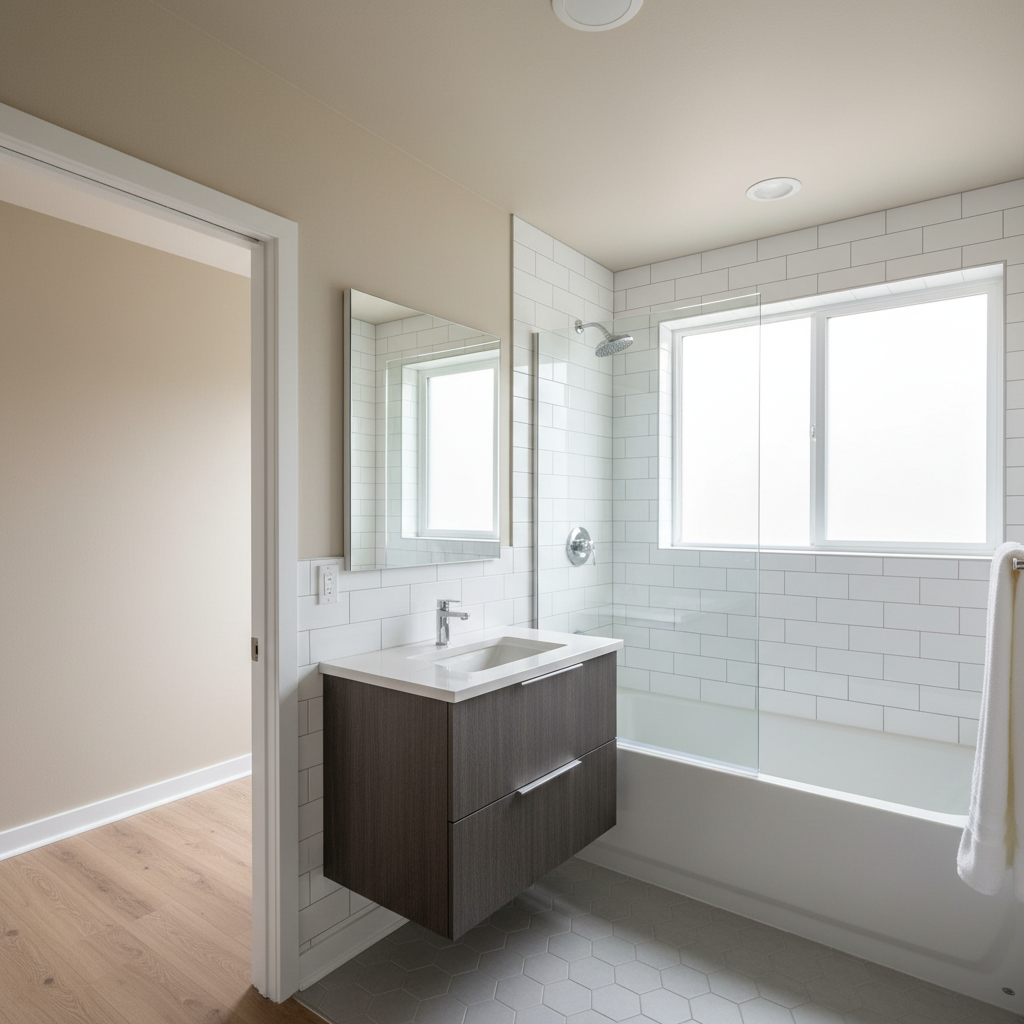
Bathroom renovation cost for rental units is the total investment to upgrade fixtures, finishes, ventilation, and plumbing/electrical so apartments meet code, attract tenants, and cut maintenance. From our base in London, ON, Mahal Concrete and Constructions delivers standardized, durable bathroom upgrades that shorten vacancy windows and ensure move-in-ready units across multi-unit properties.
By Mahal Concrete and Constructions • Last updated: 2026-06-02
Summary
This guide explains how to plan rental bathroom upgrades without budget surprises. You’ll learn the major cost drivers, a proven step-by-step process, finish levels for durability, London-specific considerations, and quality controls that reduce callbacks. Use the ready-to-run checklists and examples to align scope, schedule, and handover across units.
Here’s a fast overview of what you’ll learn and how to act on it. Use this as your north star while scoping multi-unit work.
- What a rental bathroom renovation includes—and what it doesn’t
- Primary cost drivers in multi-unit settings: scope, access, materials, and rework risk
- How timelines, permits, and building rules shape schedules and sequencing
- Finish levels that balance durability and tenant appeal across portfolios
- Checklists for planning, staging, installation, and quality control
- London, ON operational tips for property managers and landlords
What is “bathroom renovation cost for rental units”?
Bathroom renovation cost for rental units refers to the end-to-end investment needed to deliver a code-compliant, low-maintenance bathroom that’s ready for new tenants. It spans scope planning, materials, labor, access logistics, inspections, and quality control—optimized for fast turnovers and consistent results across multiple apartments.
In apartment buildings, the “cost” isn’t just line items. It includes coordination time with building operations, quiet hours, elevator bookings, material staging, and cure periods. For portfolio managers, the bigger lever is predictability. Consistent scopes and finishes make handovers frictionless and reduce future service tickets.
Included vs. excluded tasks
- Included: demo and protection; moisture mitigation; plumbing/electrical adjustments; backerboard and waterproofing; tile or surround; fixtures and lighting; ventilation upgrades; painting; sealing; cleanup and turnover documentation.
- Typically excluded: structural changes outside bathroom footprints; building-wide riser replacements; unrelated unit repairs; non-bath electrical panel upgrades.
We standardize each stage—scope, finish schedule, and QA—so what you approve on Unit A mirrors Unit Z. That’s how we keep leasing schedules stable across buildings.
Why it matters for rentals in London, ON
In London, ON, predictable bathroom renovations keep vacancy days low, protect NOI, and meet safety requirements in occupied properties. Standardized finishes and moisture-smart details reduce maintenance tickets after handover, helping property managers turn units quickly during peak move cycles.
Bathroom performance drives tenant satisfaction. Leaky seals, poor fans, or soft backerboard lead to callbacks and unit downtime. Our WSIB-compliant crews work in occupied properties with phased, tenant-friendly scheduling and clean worksites, drawing on 500+ completed projects and 50+ years of combined experience.
Local considerations for London
- Humidity swings across seasons can stress caulk and grout; plan cure times and verify fan performance during closeout.
- Peak leasing periods (academic cycles and holidays) compress turnover windows; pre-stage approved finishes and fixtures.
- Building rules vary; coordinate entry notices, quiet hours, waste staging, and elevator bookings to avoid delays.
Bathroom renovation cost for rental units: key drivers
The biggest cost drivers are scope depth, MEP complexity, building logistics, material durability, and rework risk. Standardized, moisture-first details reduce maintenance tickets and shorten turnovers, while deeper plumbing or layout changes extend schedules and inspections.
In our experience, owners control total investment by scoping clearly and avoiding mid-project changes. You’ll see consistent outcomes when you hold finish schedules steady and document QA. Below are the drivers we review during site assessment and proposal.
Scope depth
- Light refresh: surface repairs, silicone renewal, repaint; minimal disruption.
- Mid-level upgrade: new vanity/toilet, acrylic surround, fan upgrade, LVP transition.
- Full renovation: tub-to-shower conversion, large-format tile, solid-surface top, lighting/layout changes.
MEP (mechanical, electrical, plumbing) complexity
- Plumbing: moving drains or supply lines, valve upgrades, shut-off accessibility.
- Electrical: GFCI outlets near sinks, dedicated circuits for lighting/fans as required.
- Ventilation: sizing fans properly and verifying duct paths to manage moisture.
Building logistics
- Access: elevator time, floor level, service corridors, material lifts.
- Debris handling: chute access, off-peak removal windows, clean loading zones.
- Occupied rules: quiet hours, notices, housekeeping between phases.
Material durability and standardization
- Large-format tile (e.g., 12×24) reduces grout lines and speeds cleaning.
- Solid-surface vanity tops resist staining and are easy to maintain.
- Acrylic surrounds balance speed, cleanability, and water resistance.
Quality control and rework risk
- Flood tests and water checks at pans and surrounds.
- Fan CFM verification and sealed duct joints.
- Photo documentation of waterproofing and penetrations.
When property managers keep these variables stable across a building, scheduling becomes predictable—reducing vacancy periods and smoothing leasing.
How our multi-unit bathroom process works
We follow a repeatable, four-stage process: site assessment, detailed proposal and timeline, scheduled execution with tenant-friendly housekeeping, and rigorous QA with documented handover. This structure protects schedules and quality across multiple units.
Our team is fully insured and WSIB-compliant for occupied properties. The same foreperson templates scopes, material lists, and QA steps across your building so every unit finishes to the same standard.
1) Site assessment and scope finalization
- Measurements, moisture readings, and fan performance checks.
- Shut-off mapping and riser access notes for plumbing scheduling.
- Photo-capture of existing conditions for clear before/after records.
2) Detailed proposal and timeline planning
- Scope narrative with options aligned to your finish tiers.
- Material schedule listing SKUs for repeatability across units.
- Milestone calendar including inspections, cure times, and turnover dates.
3) Scheduled execution with minimal disruption
- Protection of corridors, elevators, and unit substrates.
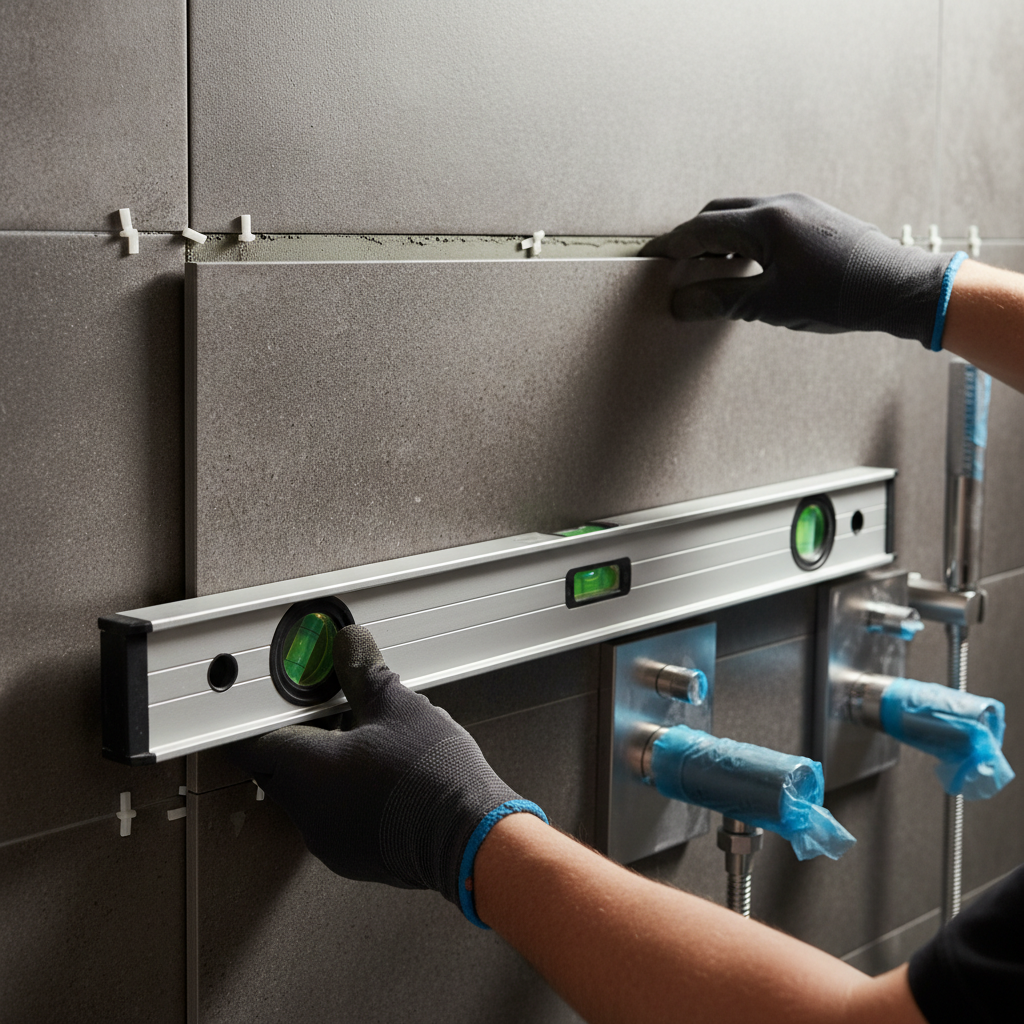
- Demo, rough-ins, backerboard, waterproofing, tile or surround, paint.
- Daily housekeeping and debris removal to maintain clean worksites.
4) Quality check and final handover
- Punch list verification, sealant cures, and fixture tests.
- Ventilation checks and GFCI testing.
- Photo documentation and sign-off so leasing can move immediately.
For a deeper look at how standardization drives savings in other spaces, see our kitchen remodel vs. cabinet replacement guide.
Types, finish levels, and approaches
Choose between light refresh, mid-level upgrade, or full renovation to balance downtime, durability, and tenant appeal. Standardizing one or two tiers across a building simplifies purchasing, scheduling, and future maintenance.
We design rental bath scopes around portfolio needs, not one-off statements. Below is a comparison to help you choose a consistent tier per asset class.
Finish tiers at a glance
| Tier | Typical Scope | Downtime | Coordination | Maintenance Profile |
|---|---|---|---|---|
| Light refresh | Silicone renewal, repaint, minor patching, fixture tune-ups | Low | Minimal (few trades) | Good if underlying systems are sound |
| Mid-level | New vanity/toilet, acrylic surround, upgraded fan, LVP transition | Moderate | Multiple inspections possible | Lower service tickets vs. light refresh |
| Full renovation | Tub-to-shower conversion, large-format tile, lighting layout, solid-surface top | Highest | Approvals/permits and more trades | Best long-term durability and appeal |
Material selections that last
- Tile: 12×24 porcelain, rectified edges, slip-rated floors for wet zones.
- Surrounds: Acrylic systems for speed and easy cleaning.
- Tops: Solid-surface or composite for stain resistance.
- Paint: Moisture-resistant, eggshell or satin; light neutrals for brightness.
- Fans: Quiet, properly sized models to control humidity and odors.
These selections standardize performance and simplify reordering across portfolios—key for multi-property managers.
Best practices to control total investment
Control total investment by locking scope early, standardizing finishes, prioritizing moisture management, and enforcing checklist-based QA. Consistency eliminates surprises, speeds handovers, and reduces callbacks.
Here’s how we protect your schedule and outcomes when bathrooms are on the critical path for leasing.
Planning and scoping
- Walk every unit and note exceptions up front; exceptions derail schedules later.
- Group units by finish tier and create a single SKU list per building.
- Stage materials by floor to reduce elevator bottlenecks.
Moisture-first execution
- Use cement backerboard and waterproofing membranes in wet areas.
- Seal all penetrations and perimeters; verify slope and drain flow.
- Test fan CFM and run-times before sign-off.
Documentation and QA
- Photo-document each substrate layer and keep a shared log.
- Track punch items centrally so patterns surface quickly.
- Handover with a documented checklist and maintenance notes.
For portfolio-wide budgeting frameworks and timeline discipline, our company overview outlines schedule-driven delivery and standardized finishes that help reduce vacancy periods.
Tools, materials, and resources checklist
A repeatable kit prevents on-site surprises. Equip teams with moisture-rated materials, accurate layout tools, and ventilation upgrades, then back it with clear code references and building rules.
Tools
- HEPA vacuums for clean, occupied hallways.
- Laser levels and tile saws for precise installations.
- Oscillating tools and multi-tools for tight spaces.
Materials
- Cement backerboard and waterproofing membranes.
- Silicone sealants, mold-resistant caulks, quality grout systems.
- Quiet, efficient fans; GFCI outlets; moisture-rated lighting.
Resources
- Ventilation and moisture control best practices in multi-family settings (industry overviews such as this bathroom plumbing guide).
- Ontario-focused renovation planning insights for multi-unit managers (see an Ontario renovation planning overview).
- Common pitfalls in older bathrooms and how to avoid them (review this older bathroom guide for context).
While every building is unique, aligning tools, materials, and references at the outset saves time and prevents midstream changes.

Case studies and examples from London and Southwest Ontario
Standardization across units shortens vacancy days. By keeping scopes stable and finishes repeatable, we’ve delivered predictable handovers on portfolio programs in London and nearby markets while minimizing tenant disruption.
We tailor scopes to your building type and leasing goals. Here are anonymized snapshots that mirror common scenarios for property managers.
Eight quick scenarios
- 12-unit light refresh program: Silicone renewal, repaint, hardware tune-ups; handovers synced to leasing week.
- Fan-first upgrades: Undersized fans caused moisture tickets; we standardized quiet, higher-CFM models and sealed ducts.
- Acrylic surround rollouts: Replaced failing tile surrounds to reduce grout maintenance and water intrusion risk.
- Tile with fewer grout lines: 12×24 porcelain on walls and floors; faster cleaning and durable wear in high-turnover buildings.
- Valve accessibility fixes: Replaced aging shut-offs; reduced emergency response time for future leaks.
- Mid-rise logistics plan: Staged materials by floor; secured elevator time blocks; kept corridors serviceable.
- Full conversions during vacancy: Tub-to-shower with solid-surface tops and lighting upgrades for market repositioning.
- QA-driven reductions in callbacks: Photo logs and seal checks cut post-handover work orders.
When working with clients in London apartment buildings, we’ve found that early coordination with building operations is as important as any trade task. Clear quiet-hour schedules and daily housekeeping keep relations smooth with residents and staff.
How to plan without quoting prices
Focus on scope clarity and finish consistency rather than numbers. By defining tiers, staging materials, and locking logistics early, you can forecast timelines and outcomes reliably—then request a tailored proposal based on your building’s conditions.
Budget accuracy follows scope accuracy. If you group units by tier, document exceptions, and standardize SKUs, your proposal will reflect real conditions and keep surprises to a minimum. This is the core of our schedule-driven delivery model.
Practical planning checklist
- Set objectives: reduce vacancy days, lower maintenance tickets, raise tenant appeal.
- Choose finish tiers per asset class; avoid unit-by-unit customization.
- Inventory shut-offs, risers, and electrical capacity before approvals.
- Align inspections and cure periods with leasing calendars.
- Define QA sign-off criteria and documentation requirements.
If bathrooms are the bottleneck in your turnover plan, we can align scopes with leasing and complete rigorous quality checks before handover so your team can list units immediately.
Let’s align your next turnover
If you manage apartments in London or Southwest Ontario, we can scope, stage, and deliver standardized bathroom upgrades with minimal disruption. Book a brief discovery call to align finish tiers and timelines across your portfolio.
We specialize in multi-unit and apartment properties with an end-to-end process: site assessment, proposal and timeline, scheduled execution, and final QA. Explore our company overview or skim our remodeling insights for how standardization protects schedules.
FAQ: Bathroom renovations for rentals
These brief answers cover timelines, permits, scope clarity, and moisture control for rental bathroom projects. Each response is designed to guide planning in multi-unit, occupied settings.
How long does a rental bathroom renovation usually take?
Light refresh work can align to short vacancy windows, while mid-level and full renovations require added coordination, inspections, and cure time. Timelines depend on scope depth, building access, and inspection availability. Locking finishes and staging materials early keeps schedules predictable.
Do rental bathroom upgrades need permits?
Plumbing and electrical changes typically require permits and licensed trades. Scope reviews during site assessment identify permit triggers and inspection milestones. We sequence rough-in, close, and final inspections to protect handover dates.
What prevents callbacks after handover?
Moisture control and detailed sealing do the most. Use waterproof backers in wet zones, verify fan performance, and seal all penetrations and perimeters. Document each stage with photos and test fixtures before sign-off to catch issues early.
How do I standardize finishes across multiple buildings?
Create a tiered finish matrix (light, mid, full), assign SKUs to each tier, and use that matrix in every proposal. Stage materials by floor, hold weekly coordination meetings, and track QA in a shared log so exceptions stay visible and rare.
Key takeaways
Lock scope, standardize finishes, and enforce moisture-first QA to protect schedules and reduce callbacks. Coordinate early with building operations and inspections to keep turnovers predictable.
- Scope clarity beats guesswork and protects budgets.
- Moisture-smart details—fans, membranes, seals—reduce maintenance tickets.
- Standard SKUs simplify purchasing and speed handovers.
- Clean worksites and daily housekeeping keep occupied buildings calm.
- Rigorous QA and documented sign-off set leasing up to move fast.
Conclusion and next steps
Bathroom renovations for rentals deliver the best ROI when scopes are predictable and moisture-smart. If you manage properties in London or Southwest Ontario, we can align tiers, schedule crews, and hand over move-in-ready units on a disciplined timeline.
If bathroom renovation cost for rental units is a priority this season, let’s map your building’s conditions to a standardized scope. Visit our company overview or review our remodeling insights, then contact us to schedule a site assessment and tailored proposal. For a quick primer on our publishing cadence and updates, see our latest announcements feed.