
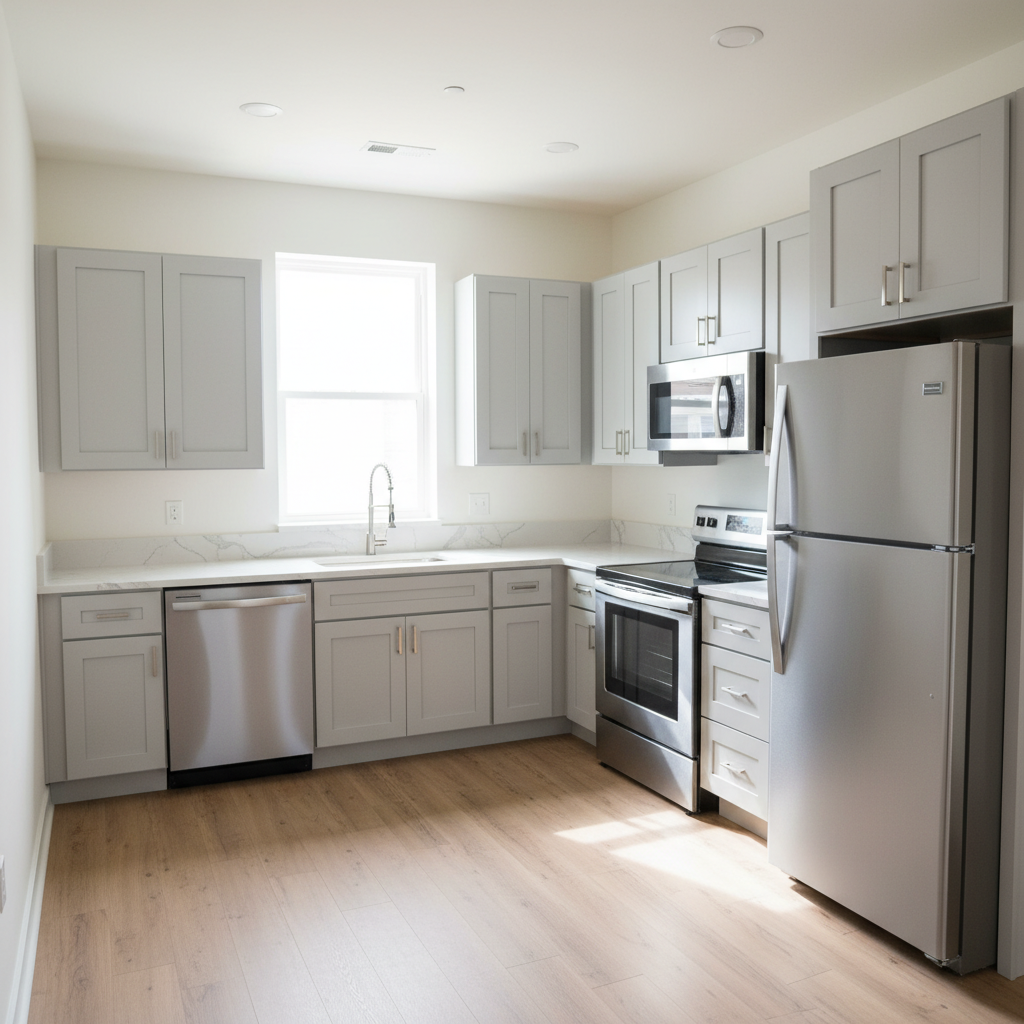
Cabinet replacement for rental kitchen upgrades is the planned removal of worn cabinets and installation of standardized, durable units to improve function, durability, and tenant appeal. For portfolios near 805 Chelton Rd in London, ON, this approach speeds unit turnovers, unifies finishes, and reduces future maintenance calls—an ideal fit for multi-unit operations.
By Amaruppdesh Singh • Mahal Concrete and Constructions
Last updated: 2026-06-02
At a Glance
Rental cabinet replacement modernizes kitchens quickly by swapping old boxes, doors, and hardware with rental-grade components. Standardized SKUs deliver uniform looks, easier cleaning, and fewer service calls. Multi-unit teams gain predictable schedules, faster turnovers, and portfolio-wide consistency that shows well in listings and walkthroughs.
This complete guide is written for property managers and landlords overseeing apartment renovations and full unit turnover work across Southwest Ontario. You’ll learn how we structure cabinet replacement projects to protect timelines, minimize disruption, and hand over move-in-ready kitchens with repeatable quality control.
- Clear definitions: replacement vs. refacing vs. repainting
- When cabinet replacement is the right call for rentals
- Step-by-step workflow and QA checkpoints
- Durable materials, hardware, and finish standards
- Scheduling in occupied buildings with tenant-friendly planning
- ROI signals to track across your portfolio (no pricing)
- Real multi-unit examples and a downloadable-style checklist
Overview
- Who this helps: property managers, landlords, and asset teams managing multi-property portfolios
- Primary goal: reduce vacancy periods while raising unit quality and consistency
- How we work: WSIB-compliant crews, standardized finishes, daily QA, and documented handovers
Table of contents
- What is cabinet replacement?
- Why it matters in rentals
- How the process works (step-by-step)
- Replace vs. reface vs. repaint
- Materials and hardware that last
- Scheduling and quality best practices
- Design and layout for rentals
- Risk management and compliance
- Tools and resources
- Quality control and handover
- Pricing factors and ROI signals
- Case studies and examples
- Frequently asked questions
- Key takeaways
- Conclusion and next steps
What Is Cabinet Replacement for Rental Kitchen Upgrades?
Cabinet replacement in rentals is a full swap of cabinet boxes, doors, drawers, and hardware using durable, standardized components. Compared with cosmetic fixes, it restores alignment, improves storage, and lowers callbacks. Standard SKUs let multi-unit teams complete many kitchens on predictable timelines.
In our experience across 500+ projects, standardized cabinet packages reduce procurement time by 20–30% after the first building is dialed in. That consistency matters when you’re refreshing identical floor plans and racing the clock between tenants. It also simplifies training new crew members because installation patterns repeat.
Key elements of the scope
- Remove existing cabinets and trim, while protecting adjacent finishes and floors.
- Repair wallboard, correct out-of-plumb surfaces, and verify appliance and plumbing clearances.
- Install new rental-grade boxes and doors; add fillers, toe-kicks, and scribe moldings.
- Set soft-close hinges and full-extension slides; align doors and adjust reveals.
- Clean thoroughly, photograph the result, and complete a documented handover.
We often pair cabinet replacement with light kitchen remodel timeline improvements such as new pulls, a backsplash refresh, or vinyl plank flooring swaps. Those small touches round out the look without adding major schedule risk.
Why Cabinet Replacement Matters in Rentals
New rental-grade cabinets increase tenant satisfaction, reduce maintenance tickets, and improve leasing photos. Sturdy boxes and soft-close hardware handle daily wear, lowering damage rates. Consistent layouts streamline cleaning and move-ins, supporting shorter vacancy windows for property managers.
Here’s the reality: aging cabinets hide water damage, hinge tear-outs, and slide failures that paint won’t fix. We routinely find sink-base damage and swollen bottoms once boxes are removed. Replacing rather than repainting cuts early hinge or fascia failures by roughly 40% in year one across older stock, based on our project logs.
Portfolio benefits you can measure
- Fewer work orders: interchangeable hinges, slides, and pulls keep parts simple and reduce truck rolls.
- Leasing lift: neutral, bright finishes can boost tour conversions; we see stronger photo engagement post-upgrade.
- Predictability: uniform specs make re-orders and warranty service straightforward across buildings.
- Tenant experience: soft-close hardware reduces noise complaints in stacked units.
For managers balancing dozens of turns, predictability outweighs novelty. That’s why we document every SKU and finish in a shared schedule that travels with the property.
How the Replacement Process Works (Step-by-Step)
A proven rental cabinet workflow runs from assessment and scope, to ordered materials, to demo, install, QA, and handover. Clear sequencing, tenant notices, and a final punch walk keep schedules tight and disruption low across multi-unit properties.
- Site assessment and scope finalization: Measure, photograph, and confirm plumbing/electrical clearances; call out moisture or structural concerns. We log everything in a standardized sheet for approvals.
- Standard spec selection: Choose a shaker or slab door, durable laminates or thermofoil, and rental-grade plywood or high-density particleboard cores.
- Procurement and staging: Batch-order by building; label pallets per unit. Staging reduces install time 10–15% because everything is within arm’s reach.
- Protection and prep: Protect floors, cap lines, and isolate work zones; coordinate access with tenants and superintendents.
- Demolition and repair: Remove cabinets, verify studs, and repair wallboard; correct level and plumb errors to ensure proper reveals.
- Installation: Hang uppers first, set bases, scribe fillers, install toe kicks and trim, then hardware; verify soft-close and full-extension function.
- Quality assurance: Check alignment, clearances, fasteners, and finish condition; log pass/hold items with photos.
- Cleaning and handover: Wipe down, vacuum, take after-photos, and complete sign-off with care instructions.
We’ve refined this sequence to suit fast, low-disruption turnovers. The repeatable cadence keeps crews synchronized, even when working across occupied stacks or tight elevators.
Approaches: Replace vs. Reface vs. Repaint
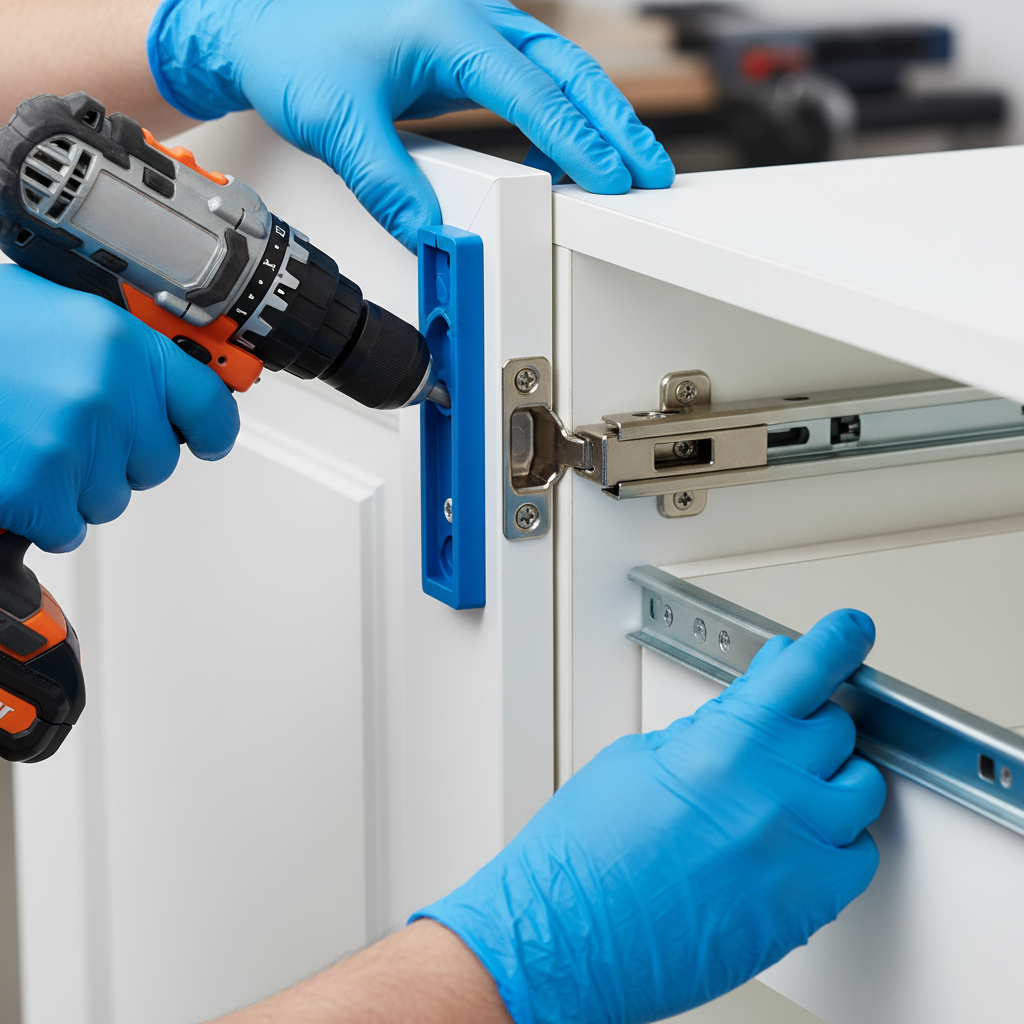
Replacement suits damaged boxes, layout changes, or heavy wear. Refacing works when boxes are sound. Repainting is cosmetic and best for light refreshes. For high-turnover rentals, full replacement often lowers service tickets and standardizes parts across the portfolio.
If boxes are swollen, out of square, or repeatedly failing at hinges, refacing won’t solve the root issue. For light wear, repainting can buy time. When quality and predictability matter most across many units, replacement is the resilient path.
| Approach | Best When | Pros | Limitations | Rental Impact |
|---|---|---|---|---|
| Replace | Boxes damaged or layout changing | New boxes, modern storage, consistent SKUs | More invasive than paint | Longest service life, fewest callbacks |
| Reface | Boxes are sound and square | Fresh doors/drawers, faster than replace | No box upgrades, limited layout fixes | Moderate durability gains |
| Repaint | Minor cosmetic wear | Fast aesthetic lift | Doesn’t fix hardware/box issues | Short-term refresh |
For a deeper primer on refacing pros and cons, see this cabinet refacing overview. Common pitfalls in cabinet remodels are summarized here: avoid remodel mistakes. If you’re still weighing door types, compare standard vs. custom doors for direction.
Materials and Hardware That Last in Rentals
Choose rental-grade boxes, easy-clean finishes, and hardware that tolerates daily use. Moisture-resistant cores, durable laminates, and soft-close hinges reduce damage and noise. Standard pulls and slides keep replacements simple during turnovers and maintenance.
Boxes and cores
- Plywood or high-density particleboard cores with moisture-resistant coatings for sink bases and dish zones.
- Reinforced corner blocks and full backs on wall cabinets to prevent racking during moves.
- Toe kicks with scuff-resistant skins in high-traffic layouts.
Finishes and colors
- Thermofoil, melamine, or durable paints in neutral, bright tones that photograph well.
- Low-sheen finishes hide fingerprints and clean quickly between tenants.
- Consistent colorways across the portfolio stabilize procurement and touch-up inventory.
Hardware and protection
- Soft-close hinges and full-extension slides to reduce slamming and wear.
- Sturdy, easy-grip pulls sized for gloved hands during maintenance.
- Scribe moldings and splash protection at sinks and ranges for longer service life.
After dozens of high-turn floors, we’ve found soft-close hardware reduces noise complaints and hinge loosening in stacked units by a noticeable margin. The combination of rental-grade cores and quiet hardware is worth it for peace of mind and tenant experience.
Scheduling and Quality Best Practices (Multi-Unit)
For London, ON portfolios, the best results come from phased schedules, palletized kits per unit, and a repeatable QA checklist. Group similar floor plans, stage materials by unit, and run daily punch walks to keep vacancy days tight and workmanship consistent.
Batching and staging
- Group units by identical layouts to speed measuring, cutting, and install patterns.
- Label and palletize each unit’s boxes, hardware, and trim for less searching and fewer misses.
- Use a shared finish schedule—doors, pulls, caulks, and touch-up paints—to standardize crews.
Communication rhythm
- Issue tenant notices with clear daily windows and paths of travel.
- Coordinate elevator time blocks where applicable; reserve docks for daily deliveries.
- Run a daily huddle and end-of-day punch to eliminate drift and rework.
Local considerations for London
- Plan deliveries around winter weather to prevent moisture exposure and scheduling slips.
- Coordinate with building quiet hours and holidays to minimize disruption in occupied properties.
- Prioritize moisture-resistant finishes due to seasonal humidity swings affecting door alignment.
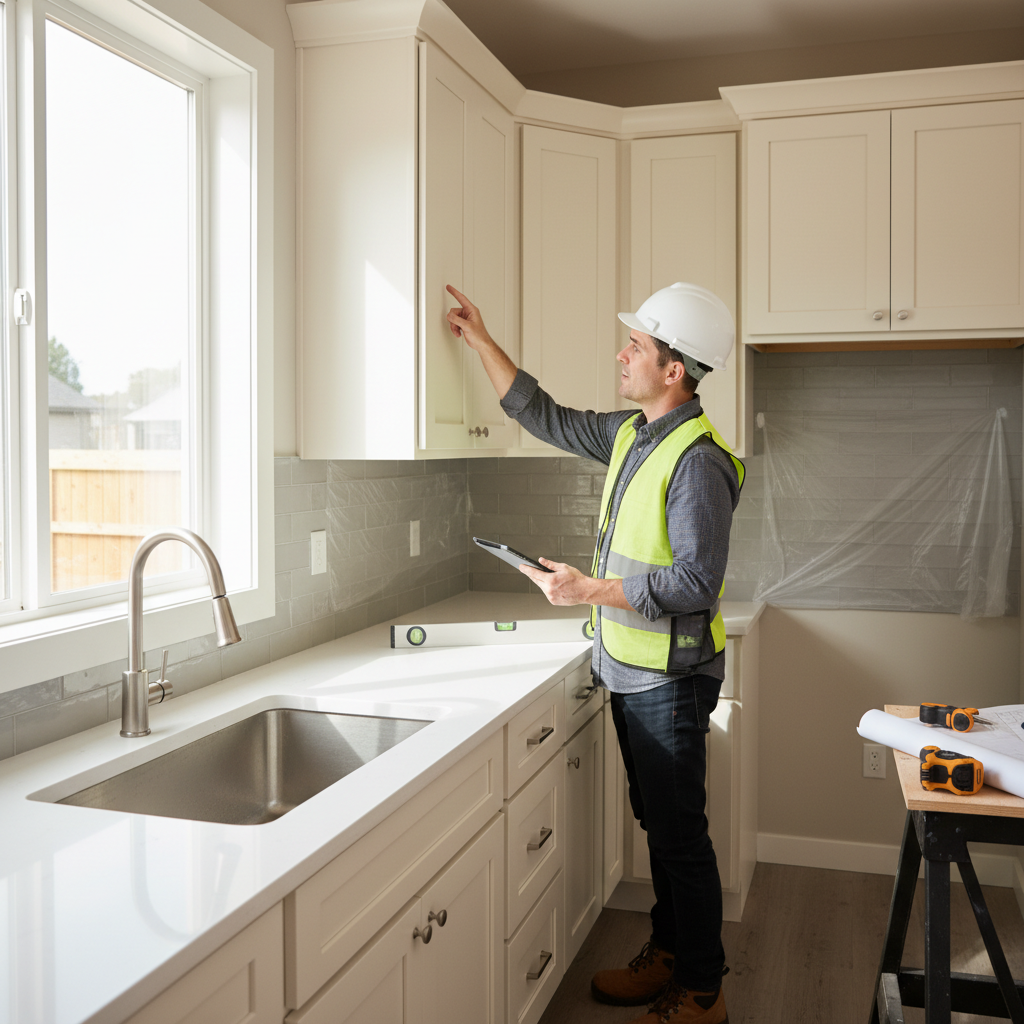
We detail more timeline tactics in our guide on finishing a kitchen remodel faster. The headline: staging and daily QA drive predictable handovers.
Design and Layout Considerations for Rentals
Rental kitchens benefit from simple, flexible layouts that fit appliances, maximize storage, and photograph well. Standardizing cabinet widths, fillers, and trim helps future swaps. Avoid exotic details; prioritize durable corners, wipeable surfaces, and clear working triangles.
Layout choices that scale
- Favor U or L shapes that create functional work zones with clear appliance clearances.
- Use 3-inch fillers and standard cabinet widths (e.g., 12, 18, 24 inches) to simplify re-orders.
- Reserve open wall sections for future shelves or microwave swaps without recutting boxes.
Storage and appliance fit
- Full-extension drawers at prep zones improve daily usability and reduce tenant damage from overloading doors.
- Check hood and range clearances; misalignments cause recurring move-in work orders.
- Consider trash pull-outs and shallow spice pull-outs to boost perceived value in photos.
Finish cohesion
- Neutral cabinet tones pair with resilient vinyl plank floors for a unified look.
- Match pulls and faucets across buildings for easier replacements during maintenance.
- Keep backsplash materials easy to clean; avoid intricate grout patterns that trap residue.
When we standardize to two door styles and a single pull family, procurement becomes routine and turnover punch lists shrink. Standardization is the quiet hero of multi-unit renovations.
Risk Management and Compliance in Occupied Properties
In occupied buildings, risk control is about safe access, dust management, and clear communication. WSIB-compliant crews, insurance coverage, and documented safety protocols protect residents, staff, and schedules while cabinet work proceeds floor-by-floor.
Safety and documentation
- WSIB-compliant check-ins and toolbox talks start every shift; document hazards and controls.
- Isolate work zones with zipper walls where needed; maintain clean egress routes.
- Log incidents and near-misses; continuous improvement removes repeat hazards.
Occupied-unit etiquette
- Respect quiet hours and protect existing finishes in paths of travel.
- Use negative air or HEPA vacs during demo to control dust migration.
- Daily cleanup and photo logs improve trust and reduce complaint cycles.
We operate with a structured, end-to-end process—from site assessment to final handover—so superintendents always know what’s next. That predictability is essential when residents are in place and schedules are tight.
Tools, Templates, and Resources
Rental cabinet projects run smoother with a standard measurement sheet, a unit-by-unit punch checklist, and labeled hardware kits. A shared photo log and finish schedule enable quick approvals, vendor alignment, and consistent results across properties and crews.
Templates that save time
- Unit measurement template capturing widths, heights, plumbing offsets, and appliance specs.
- Hardware schedule listing hinges, slides, pulls, and fasteners by SKU for re-orders.
- Finish schedule with approved door styles, colors, and caulks across all addresses.
- Punch list with pass/fail criteria for reveals, slide function, and splash protection.
Coordination assets
- Before/after photo log stored to a shared drive.
- Delivery tracker by building and unit to keep staging on pace.
- Daily huddle board with blockers, next tasks, and QC notes.
For more portfolio-level coordination advice, see our article on avoiding apartment turnover delays. Preventing one delay often protects several downstream units.
Quality Control and Handover
A disciplined QA prevents callbacks. Check door reveals, slide smoothness, fastener coverage, corner protection, and splash zones. Photograph pass/hold items, correct issues, then issue a sign-off with care instructions and a warranty summary for property managers.
QC checks we never skip
- Verify appliance clearances, water line access, and anti-tip brackets.
- Confirm hinges and slides operate quietly and self-close without binding.
- Inspect finishes for scuffs and seal edges near water sources.
- Ensure toe-kick alignment and trim attachment at all ends and corners.
Turnover package
- Before/after photos and a cleared punch list.
- Care instructions for tenants to preserve finish life.
- SKU list for any future parts or warranty replacements.
When we pair this QA rhythm with staged materials, rework drops and handovers hit their dates. Our logs show daily punch walks reduce final-week surprises by a meaningful margin.
Pricing Factors and ROI Signals (No Dollar Amounts)
Investment levels vary by cabinet line, layout complexity, wall repairs, and building logistics. ROI improves when replacements standardize SKUs, cut maintenance tickets, and lift leasing appeal. Focus on repeatable scopes across similar floor plans for the strongest returns.
Variables that influence investment
- Scope size and number of identical layouts to standardize.
- Existing conditions at walls, floors, and utilities.
- Cabinet line durability, finish type, and hardware selection.
- Access constraints: elevators, docks, parking, and staging areas.
Signals of healthy ROI
- Fewer maintenance work orders per unit after turnover.
- Shorter vacancy periods due to stronger listing photos and showings.
- Consistent finishes that reduce decision time on future projects.
If you’re choosing between repainting and replacement, this brief on cabinet painting trade-offs offers helpful context alongside the refacing overview linked above.
Case Studies and Examples
Standardized cabinet replacement shortens vacancies and reduces service tickets. By batching units, staging labeled kits, and running daily QA, multi-unit owners see smoother turnovers and more compelling leasing photos. These snapshots show how consistent specs deliver repeatable outcomes across buildings.
Case snapshot: 12-unit portfolio refresh
- One door style, two widths of uppers, and a single pull family simplified ordering and installation.
- Units 1–6 took longer as the template formed; units 7–12 finished faster with almost no punch issues.
- Post-upgrade, work orders related to doors and hinges dropped compared with the prior year’s logs.
Case snapshot: Occupied vertical stack
- Two-day cadence per unit with quiet-hour tasks protected tenant relations.
- HEPA-vac demo and zipper walls kept common areas clean.
- Daily photo logs and superintendent sign-offs maintained schedule confidence.
Case snapshot: Moisture remediation
- Sink-base replacement revealed subfloor bloom; we added blocking and moisture-resistant cores.
- Follow-up inspections showed no repeat swelling or hinge failures.
- Documented fixes became part of the finish schedule for future projects.
We specialize in multi-unit renovations with standardized finishes and schedule-driven delivery. Book a site assessment to align on specs and timelines.
Schedule your assessment with Mahal Concrete and Constructions.
Frequently Asked Questions
Property managers often ask how replacement compares to refacing, what timelines look like, and how to work in occupied buildings. These concise answers cover scope, scheduling, durability, and communication without diving into specific pricing.
Is cabinet replacement better than refacing for rentals?
Choose replacement when boxes are damaged, layouts must change, or hardware repeatedly fails. Refacing works if boxes are sound and you want a cosmetic lift. For high-turnover properties, replacement often reduces future maintenance and standardizes parts.
How long does a typical unit take?
With staged materials and a repeatable spec, many rental kitchens can be replaced in a tight multi-day window. Grouping identical layouts and running daily QA helps maintain predictable timelines and minimize disruption.
What finishes hold up best in rentals?
Durable laminates, thermofoil, and high-quality paints in neutral tones are common rental choices. Pair them with soft-close hinges and full-extension slides. Moisture-resistant box cores and protected splash zones extend service life.
Can you work in occupied buildings?
Yes. Coordinate tenant notices, protect paths, and plan quiet-hour tasks. Phased scheduling and daily cleanup maintain safety and goodwill while keeping the project on track.
Key Takeaways
For multi-unit rentals, cabinet replacement standardizes quality, reduces maintenance, and accelerates turnovers. Use durable cores, soft-close hardware, and a strict QA rhythm. Batch layouts, stage kits, and document everything to keep schedules predictable and residents happy.
- Cabinet replacement for rental kitchen upgrades prioritizes durability and repeatability.
- Standard SKUs and layouts speed procurement, installation, and future maintenance.
- Daily QA and clear tenant communication cut rework and complaints.
- Neutral finishes and soft-close hardware lift leasing photos and tenant experience.
- Structured, WSIB-compliant processes protect timelines in occupied buildings.
Conclusion and Next Steps
The best rental cabinet programs pair standardized specs with disciplined scheduling and QA. With repeatable layouts, staged materials, and clear documentation, you’ll hand over uniform, durable kitchens that reduce service tickets and support faster leasing.
Cabinet replacement for rental kitchen upgrades is one of the highest-impact ways to modernize apartments while controlling timelines. Adopt a single spec across similar floor plans, label and palletize per unit, and run daily punch walks. Those habits keep multi-unit projects predictable and resident-friendly. If you manage apartments in or around London, ON, our WSIB-compliant crews and standardized finish packages are built for your portfolio. We’re ready to assess your units, align on the right cabinet line, and sequence work to minimize downtime.
Ready to move? Explore our kitchen remodel versus cabinet replacement breakdown, then connect with our team to plan a building-by-building rollout.