
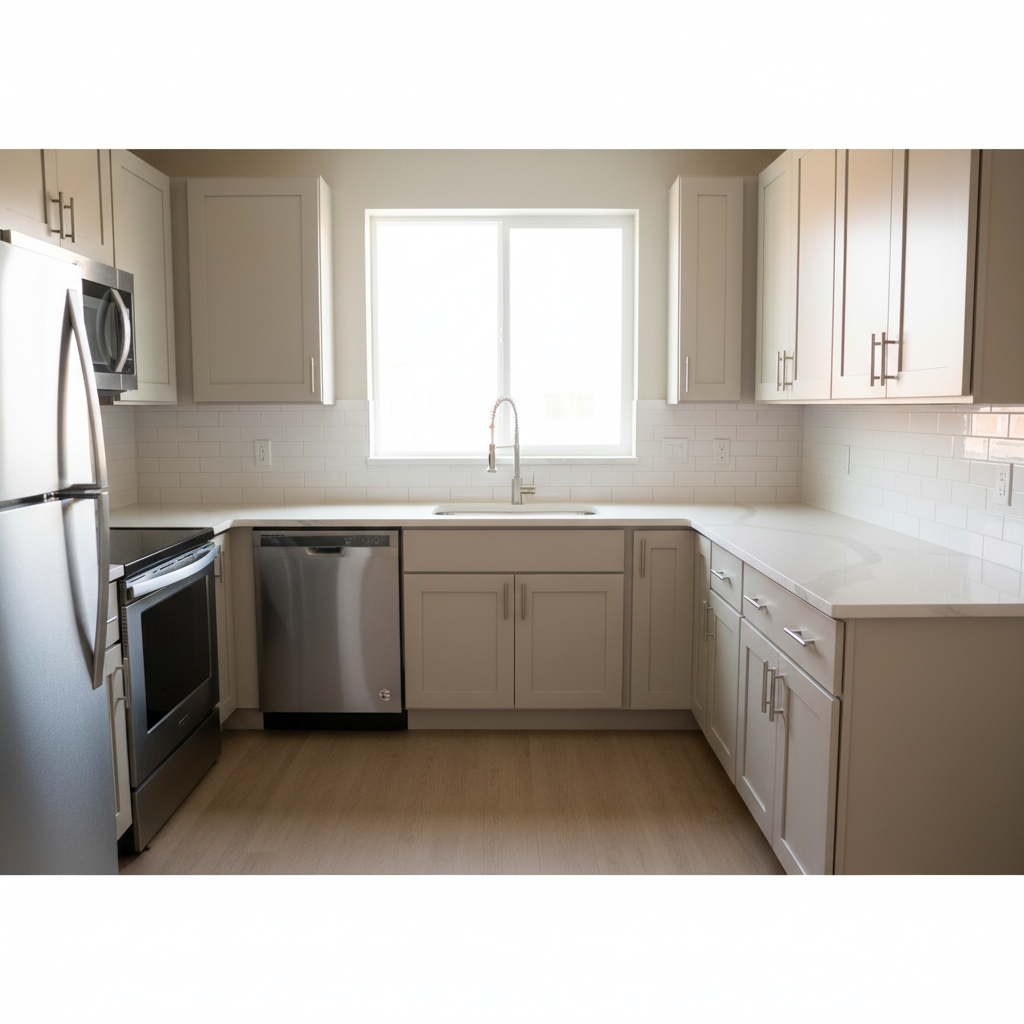
Countertop replacement for apartment kitchens is the planned removal of existing tops and the precise installation of new, durable surfaces sized to each unit’s layout. In London, ON, Mahal Concrete and Constructions coordinates this work at 805 Chelton Rd with a standardized, multi-unit process that reduces downtime and delivers uniform finishes across portfolios.
By Mahal Concrete and Constructions • Last updated: 2026-06-02
Quick Summary
This guide ranks ten proven countertop options for apartments, explains install workflows for multi-unit buildings, and shows how to minimize vacancies. You’ll get a comparison table, our top pick, nine strong alternatives, selection tips, and a manager-focused buying guide tailored to London, ON portfolios.
We wrote this for property managers and landlords who juggle schedules, tenant expectations, and repeatable outcomes. You’ll see how we approach:
- Fast, predictable installs that fit unit turnovers and reduce downtime
- Standardized finishes that look consistent across buildings
- Durable materials that handle high-traffic cooking and cleaning
- Tenant-friendly scheduling that limits disruption in occupied properties
- WSIB-compliant, fully insured operations suitable for Ontario job sites
- Quality checks before handover so move-ins stay on track
Countertop replacement for apartment kitchens: quick comparison
Choose apartment countertops by balancing durability, maintenance, install speed, and visual consistency. In multi-unit turnovers, materials that template reliably, cut quickly, and install in one visit keep vacancy gaps tight while meeting portfolio standards.
In our experience on London multi-unit projects, typical galley kitchens require 8–10 linear feet of countertop run with one sink cutout. Straight runs with one miter joint can often be templated and installed within a tight turnover window, especially when sinks and appliances are standardized.
| Material | Durability | Heat/Water | Maintenance | Install speed | Best use |
|---|---|---|---|---|---|
| High-pressure laminate (postformed) | Good for rentals | Moderate | Simple wipe-down | Fast (often 1 visit) | Standard unit turnovers |
| Quartz (engineered stone) | Excellent | High | Low; no sealing | Template + install | Premium suites, long holds |
| Solid surface (acrylic blend) | Very good | Good | Refinishable | Fabricate + install | Mid-tier upgrades |
| Compact laminate | Very good | High | Low | Cut on site | Small kitchens, wet zones |
| Porcelain/sintered stone | Excellent | Very high | Low | Specialized | Design-forward suites |
| Butcher block | Good (with care) | Moderate | Periodic oiling | Moderate | Select feature kitchens |
| Stainless steel | Excellent | Very high | Low; shows marks | Custom fabricate | Micro-units, durable |
| Large-format tile | Good | High (good grout) | Grout upkeep | Moderate | Retrofits, odd shapes |
| Epoxy resurfacing | Fair–good | Moderate | Gentle cleaners | Fast (in place) | Short-term bridges |
| Recycled composite/terrazzo | Very good | High | Low–moderate | Template + install | Sustainability targets |
Tip: Standardize your sink centerline and faucet holes. Consistent specs across buildings reduce rework and speed templating. We also align backsplash heights and outlet spacing to simplify punch-list closeout.
Our Top Pick
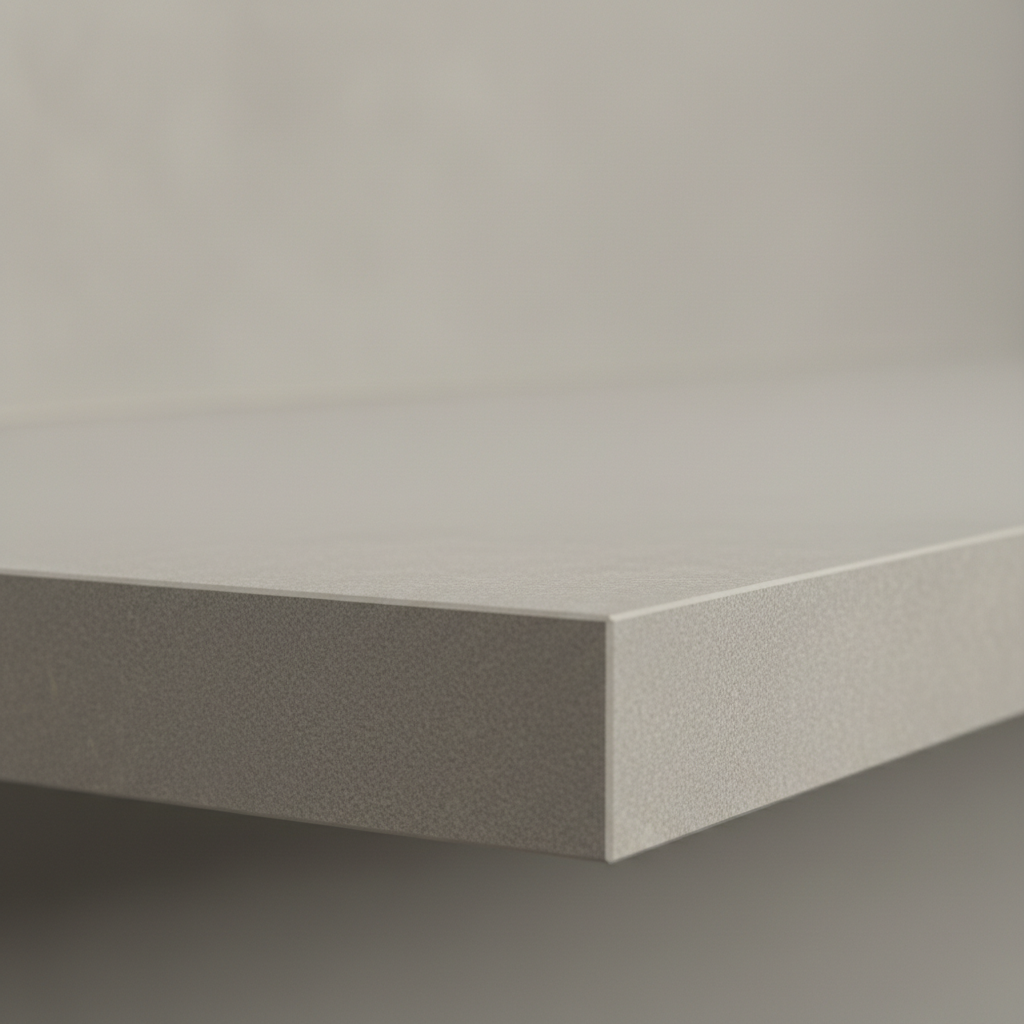
For most apartment portfolios, we recommend high-pressure laminate (HPL) with a postformed edge. It installs quickly, cleans easily, and offers consistent visuals across units. With straight runs, we often target 24–36 hours of unit downtime from removal to reinstall during a coordinated turnover.
Why we like it for multi-unit work:
- Fast cycle time: Straight, postformed tops can be pre-cut and dropped in with one sink cutout, limiting tenant downtime. In our projects, one crew can finish several similar units per day when specs repeat.
- Portfolio consistency: Neutral patterns and a 3/8–1/2 inch radius postformed edge look clean and uniform across buildings.
- Easy care: Daily wipe-downs keep surfaces looking good for new move-ins and renewals.
- Flexible repairs: If a section is damaged, replacements are straightforward because specs are standardized.
Workflow matters more than material alone. We front-load site assessment, verify appliance and sink specs, and batch orders to streamline turnovers. For broader kitchen planning that supports speed, see our guidance on finishing a kitchen remodel faster.
Entries #2–10: strong alternatives
Beyond laminate, nine materials stand out for apartments: quartz, solid surface, compact laminate, porcelain/sintered stone, butcher block, stainless, large-format tile, epoxy resurfacing, and recycled composites. Each balances durability, maintenance, look, and install logistics differently.
2) Quartz (engineered stone)
Quartz offers excellent scratch resistance and sealed-in performance that suits high-use rentals. Slabs template well, seams are predictable, and color uniformity helps large portfolios match finishes across phases.
- Why it matters: Resilient surfaces reduce service calls from tenant move-ins and move-outs.
- Tech notes: Standard slab thickness pairs well with under-mount sinks and 1–1/4 inch profiles common in rentals.
- Action: Use templating for repeatable fits and secure cabinets to handle added weight.
For a plain-English overview of benefits, see this concise discussion of quartz durability advantages. We specify neutral, portfolio-friendly tones to keep procurement simple across buildings.
3) Solid surface (acrylic blend)
Solid surface counters are repairable and can be refinished, which extends service life in multi-tenant buildings. Integrated backsplashes help with moisture control around sinks.
- Benefit: Thermoformed seams can be nearly invisible, improving hygiene and cleaning.
- Specs: Works well with standard 25-inch depths and common rental sink templates.
- Tip: Use light, mid-tone colors to hide everyday wear between tenant turnovers.
4) Compact laminate
Compact laminate is a dense panel with impressive moisture resistance. It handles small kitchens well and supports top-mount sink installations with clean edge profiles.
- Resilience: Strong against daily cleaning and incidental water.
- Speed: Panels can be cut on site with pro tooling, which accelerates unit-ready timelines.
- Use case: Suits studio and micro-unit layouts with short runs and sharp corners.
5) Porcelain or sintered stone
These slabs deliver high heat and stain resistance with thin, sleek profiles. They need experienced fabrication, but the results are designer-grade with long service life in premium apartments.
- Performance: Excellent against common kitchen stains and cleaning chemicals.
- Fabrication: Demands pro handling; templates must be exact to avoid cracks.
- Portfolio fit: Ideal for flagship units or competitive repositioning projects.
6) Butcher block
Butcher block brings warmth and texture. It requires periodic oiling and careful moisture management but can be a strategic accent in select apartments.
- Care: Plan a maintenance schedule between tenant turnovers.
- Detail: Seal end grains and use caulk at sink cutouts to limit swelling.
- Design: Pair with neutral cabinet colors to keep a timeless look across buildings.
7) Stainless steel
Stainless excels in durability and hygiene. It shows fingerprints and scratches, but it’s highly resilient and fits micro-units, basement suites, and utility kitchens.
- Sanitation: Non-porous and easy to clean for turnovers.
- Edge: Hemmed edges and integrated backsplashes reduce water issues.
- Noise: Add underlayment to dampen sound against cabinets.
8) Large-format tile
Modern porcelain tiles in large formats reduce grout lines. This can be a smart retrofit method for odd layouts where slab templating is difficult.
- Technique: Use epoxy grout to reduce staining in high-use suites.
- Prep: Ensure flat, rigid substrates to keep grout lines tight.
- Speed: Staged installs allow adjacent units to stay on schedule.
9) Epoxy resurfacing
Resurfacing coats existing tops with a high-build resin system. It’s a bridge solution when timelines are constrained, or when cabinets are due for later replacement.
- Timeline: Cures quickly and can be done in place when ventilation is managed.
- Limit: Not a fit for heavily damaged substrates; evaluate first.
- Use: Helpful for short-term holds or phased repositioning.
10) Recycled composite/terrazzo
Recycled aggregates in a resin or cement binder hit sustainability goals while delivering a durable surface. Color control supports portfolio consistency.
- Fit: Works in properties targeting green certifications or eco-forward branding.
- Maintenance: Similar care to engineered stone; confirm sealer requirements.
- Detail: Use eased edges to reduce chipping at high-contact points.
How to choose the right countertop for apartments
Match material to portfolio goals, install logistics, and tenant use. Standardize specs, confirm sink/appliance cutouts, and synchronize with painting and flooring to keep turnovers moving.
We coordinate countertop replacement for apartment kitchens as part of our full unit turnover playbook. The steps below keep schedules predictable and quality consistent.
- Standardize specs: Choose 2–3 colors and one edge profile across properties. This streamlines procurement and batch fabrication.
- Template smart: For quartz, porcelain, or solid surface, lock measurements after cabinets are secured and leveled to avoid rework.
- Sequence work: Paint and repairs first, then counters, then plumbing resets and final cleaning. This avoids damage and duplicate visits.
- Protect substrates: Verify cabinet fastening and reinforcement at sink bases before heavy materials arrive.
- Punch and handover: Inspect seams, caulk lines, and splash alignment; document with photos for portfolio records.
Want to keep turnovers on schedule? These apartment turnover tips explain common pitfalls we solve during multi-unit renovations in London.

Buying guide for property managers
Buy for standardization, speed, and serviceability. Select two finishes, one edge, and one sink spec; confirm vendor lead times; and choose a WSIB-compliant, fully insured contractor experienced in occupied properties.
As a multi-unit specialist, we anchor the process with a site assessment and clear scope, then plan the turnover sequence so your painters, flooring installers, and plumbers aren’t stepping on each other’s toes. In our London projects, straight laminate runs with one sink cutout often install in a single visit, while templated stone requires a dedicated template and install day.
- Specs to lock: Counter depth, splash height, faucet hole count, sink centerline, dishwasher grommet, and appliance clearances.
- Durability first: Choose finishes that hide wear. Mid-tone, low-gloss patterns reduce visible scuffs between tenant cycles.
- Compliance: Confirm insurance and WSIB documentation for Ontario job sites; occupied properties demand safety planning and tidy worksites.
- Documentation: Keep a spec sheet and photos per unit—this speeds future replacements and warranty checks.
- Training: Share care instructions with tenants at move-in to extend surface life.
For planning fundamentals that pair with counter upgrades, here’s a straightforward primer on organizing a kitchen renovation. We align these steps with turnover windows so units return to market quickly.
Countertop replacement for apartment kitchens in London, ON
In London, ON, portfolio success comes from repeatable specs and tight scheduling. We coordinate countertop installs to align with paint, flooring, and plumbing resets, reducing vacancy gaps while keeping finishes consistent across properties.
When working with clients in London, we plan around building access, elevator timing, and quiet hours. Standard runs—often 8–10 linear feet in galley kitchens—let us pre-stage sink cutouts and splashes. For templated stone, we schedule template capture immediately after cabinet leveling to stay on track.
Local considerations for London
- Schedule turnovers to avoid peak winter storm periods, and stage materials nearby so deliveries don’t slip.
- Plan install windows around building quiet hours and tenant routines to minimize disruption in occupied properties.
- Favor durable, low-gloss finishes that handle frequent cleanings common in regional rental operations.
Need help coordinating units across multiple buildings? Our end-to-end process—site assessment, proposal and timeline, scheduled execution, and quality checks—was built for multi-property portfolios in Southwest Ontario.
FAQ: Apartment countertop replacements
These quick answers address the most common questions we hear from property managers and landlords about replacing apartment kitchen countertops.
How long does an apartment countertop replacement usually take?
For straight laminate runs, many units finish in one coordinated visit after cabinets are secured. For quartz or solid surface, expect a template appointment and a separate install day once fabrication is complete.
Which material is best for most rentals?
High-pressure laminate with a postformed edge is our default for many portfolios—fast to install, easy to clean, and consistent across units. Quartz is a strong choice for premium suites and long-term holds.
Can we replace counters without disturbing tenants?
Yes, in many cases. We coordinate tight windows, use dust control and floor protection, and sequence plumbing resets so kitchens are functional again quickly. Clear scheduling reduces disruption in occupied properties.
Do we need to replace cabinets at the same time?
Not always. If cabinets are sound and level, countertop replacement alone can refresh a kitchen quickly. When boxes are weak or out of level, plan cabinet reinforcement or replacement before templating stone.
Methodology: How we ranked these options
We prioritized install speed, durability, maintenance, and portfolio consistency. Our recommendations reflect multi-unit work in London, ON and Southwest Ontario, with processes tuned for WSIB-compliant, occupied-property renovations.
Our evaluation matrix weights:
- Installation logistics (turnover windows, templating lead times, access)
- Durability in rentals (scratch, stain, heat, moisture, cleaning frequency)
- Standardization potential (limited SKUs for predictable outcomes)
- Serviceability (repair/refinish options and vendor availability)
We leaned on experience across 500+ construction and renovation projects and the repeatable results we’ve delivered for property managers. For a visual sense of before-and-after project planning that complements countertop selection, see our note on saving time during kitchen remodels.
Conclusion and next steps
Standardize your specs, pick a durable material that matches your turnover window, and coordinate trades tightly. That’s how apartment countertops get installed fast and look consistent across a portfolio.
Key takeaways:
- High-pressure laminate is the speed leader for most unit turnovers.
- Quartz delivers top durability for premium or long-hold suites.
- Compact laminate, solid surface, and porcelain cover special cases.
- Standardized sinks and edges accelerate templating and installs.
- Plan sequencing with painting, flooring, and plumbing resets.
Ready to coordinate countertop replacement for apartment kitchens across your London properties? Visit our main site to start a multi-unit assessment. We can align specs, schedule turnovers, and deliver consistent, move-in-ready results.
Schedule a quick walk-through. We’ll verify cabinet condition, confirm sink and faucet specs, and map a turnover sequence that keeps units rent-ready. Our WSIB-compliant crews work clean and coordinate around occupied buildings.