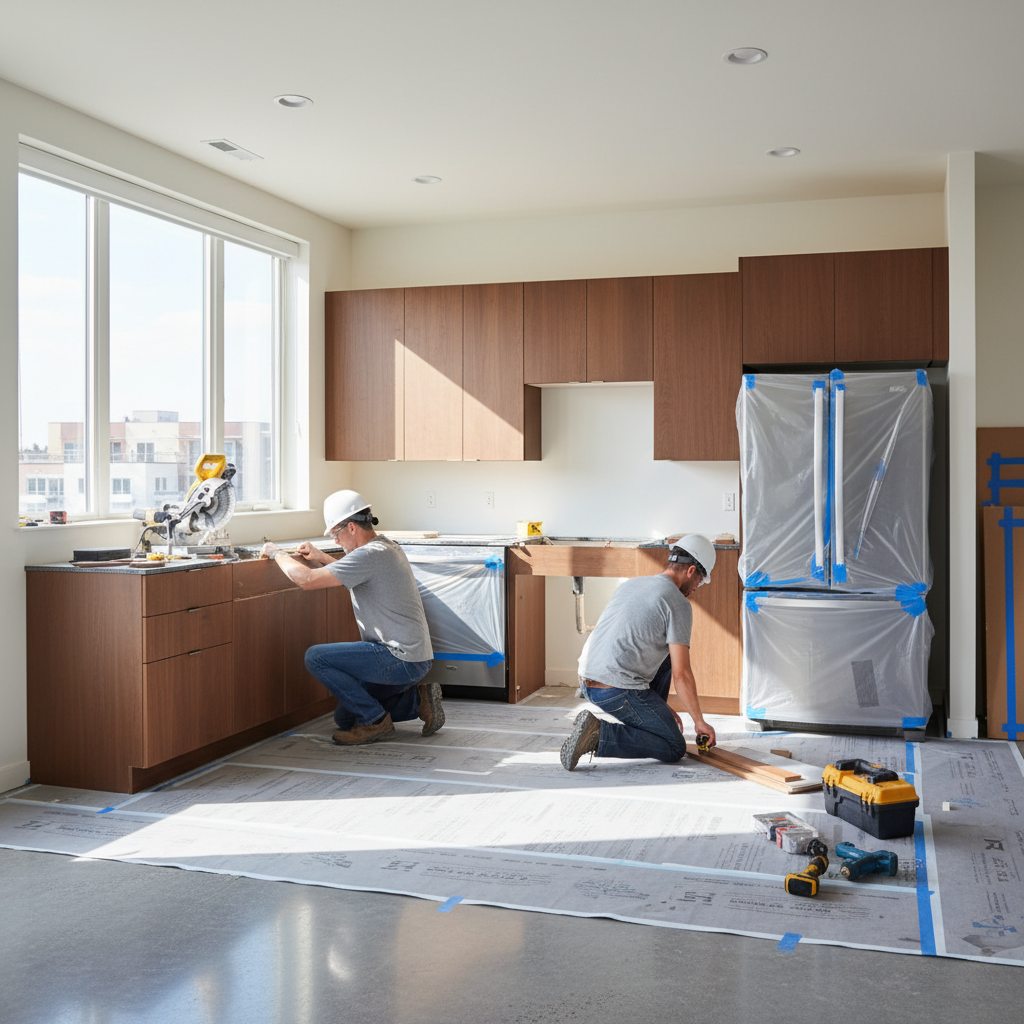
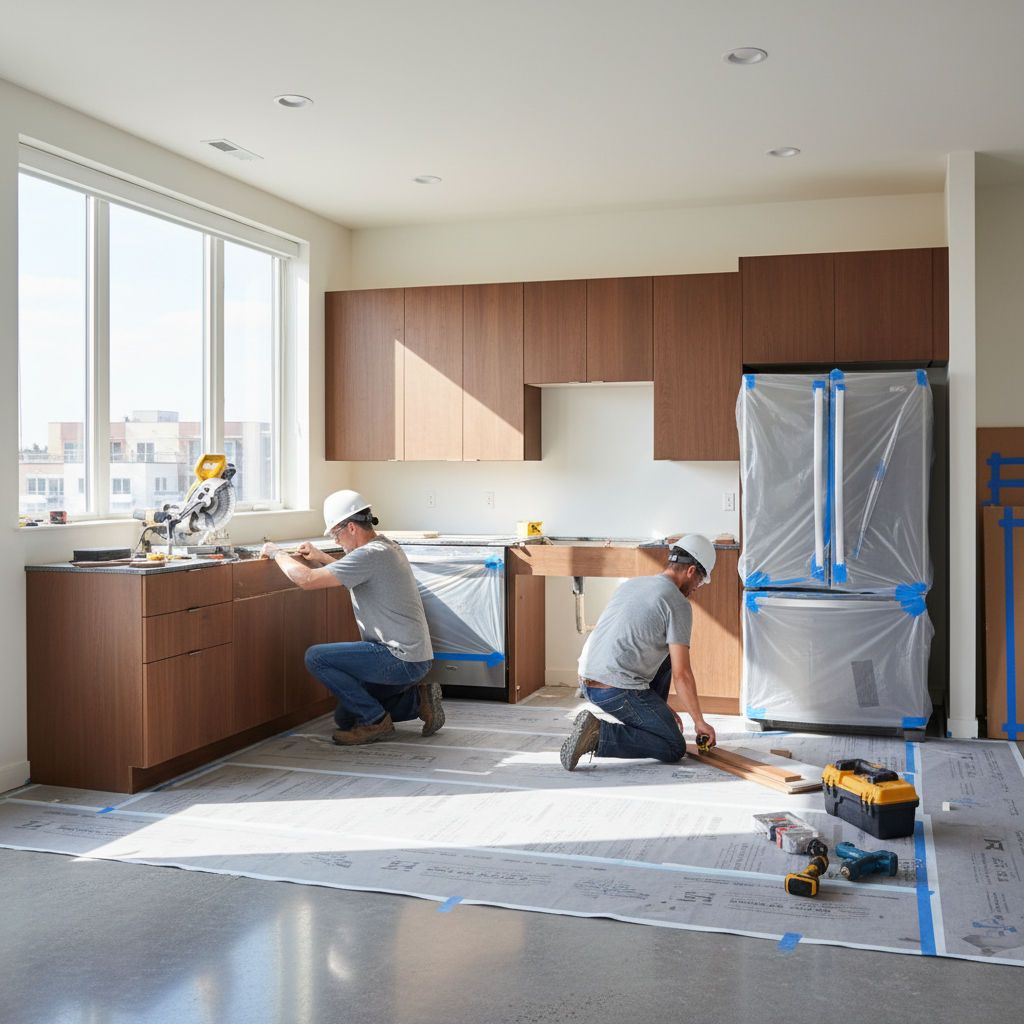
A kitchen remodel timeline typically runs 8–16 weeks end-to-end, including planning, ordering, on-site work, and final handover. For portfolios in London, ON, the key to finishing faster is standardizing finishes, locking scope early, and coordinating inspections. At 805 Chelton Rd, Mahal Concrete and Constructions applies a repeatable, WSIB-compliant process to reduce vacancy days.
By Mahal Concrete and Constructions • Last updated: 2026-06-02
Introduction
A kitchen remodel timeline is the sequence of planning, procurement, construction, and quality checks required to take a kitchen from its current state to move‑in ready. Typical apartment projects span 6–12 weeks of on‑site work plus 2–4 weeks of prep. Clear scope, ready materials, and synchronized inspections keep timelines predictable.
Here’s the thing: timelines slip when details slip. We’ve completed 500+ projects and found that disciplined planning trims 5–10 working days from most schedules. This guide translates that experience into a practical, step‑by‑step process—tailored for property managers, landlords, and multi‑unit owners who need consistent results.
- Understand the 8–16 week range and what drives it
- See a phase‑by‑phase breakdown with typical durations
- Adopt preconstruction checklists that prevent overruns
- Use multi‑unit strategies to compress lead times safely
- Apply QA methods that eliminate end‑stacked punch items
At a Glance
Most kitchens take 8–16 weeks from scope to handover. Planning and selections add 2–4 weeks, while on‑site work averages 6–12 weeks. In London, ON multi‑unit buildings, standardized specs, pre‑booked trades, and batch ordering can cut 7–14 days while maintaining safety and quality.
Use this quick view to benchmark your plan before you set dates. It mirrors how we run turnovers across apartment portfolios.
- Preconstruction (2–4 weeks): assessment, scope, selections, orders
- Demolition + rough‑ins (1–2 weeks): remove, frame, reroute MEP
- Close‑in + surfaces (2–4 weeks): drywall, paint, tile, flooring
- Cabinets + tops (2–4 weeks): set cases, template, fabricate, install
- Finals + punch (1–2 weeks): appliances, trims, QA, handover
How Long Does a Kitchen Remodel Take?
A standard apartment kitchen remodel typically requires 6–12 weeks of on‑site work once materials are on hand. Add 2–4 weeks for scoping, selections, and any permits. Scope depth, building age, and inspection cadence drive most variance; repeatable specs and pre‑booked trades help multi‑unit owners finish sooner.
Think in phases, not guesses. Breaking work into discrete, inspectable steps creates predictable handoffs and fewer idle days.
| Phase | Core Work | Typical Duration |
|---|---|---|
| Preconstruction | Site assessment, scope, selections, orders | 2–4 weeks |
| Demolition & Rough‑ins | Demo, framing, electrical/plumbing reroutes | 1–2 weeks |
| Close‑in | Insulation, drywall, mud/sand, prime | 1–2 weeks |
| Surfaces | Tile, flooring, painting | 1–2 weeks |
| Cabinets & Countertops | Cabinet set, template, fabrication, install | 2–4 weeks |
| Finals & Handover | Appliances, plumbing trims, hardware, QA | 1–2 weeks |
For example, when remodeling five similar kitchens in one building, we batch order cabinets, pulls, and tile, then repeat the same layout. That alone can remove 3–5 days of waiting per unit and limit punch items to under 10 checkmarks each.
Before You Start (Prerequisites)
Lock scope and selections before demolition. Confirm cabinet and countertop lead times, book licensed trades, and pre‑schedule inspections. In London, ON multi‑unit buildings, standardize finishes and batch orders to compress procurement, reduce change orders, and keep occupied floors safe.
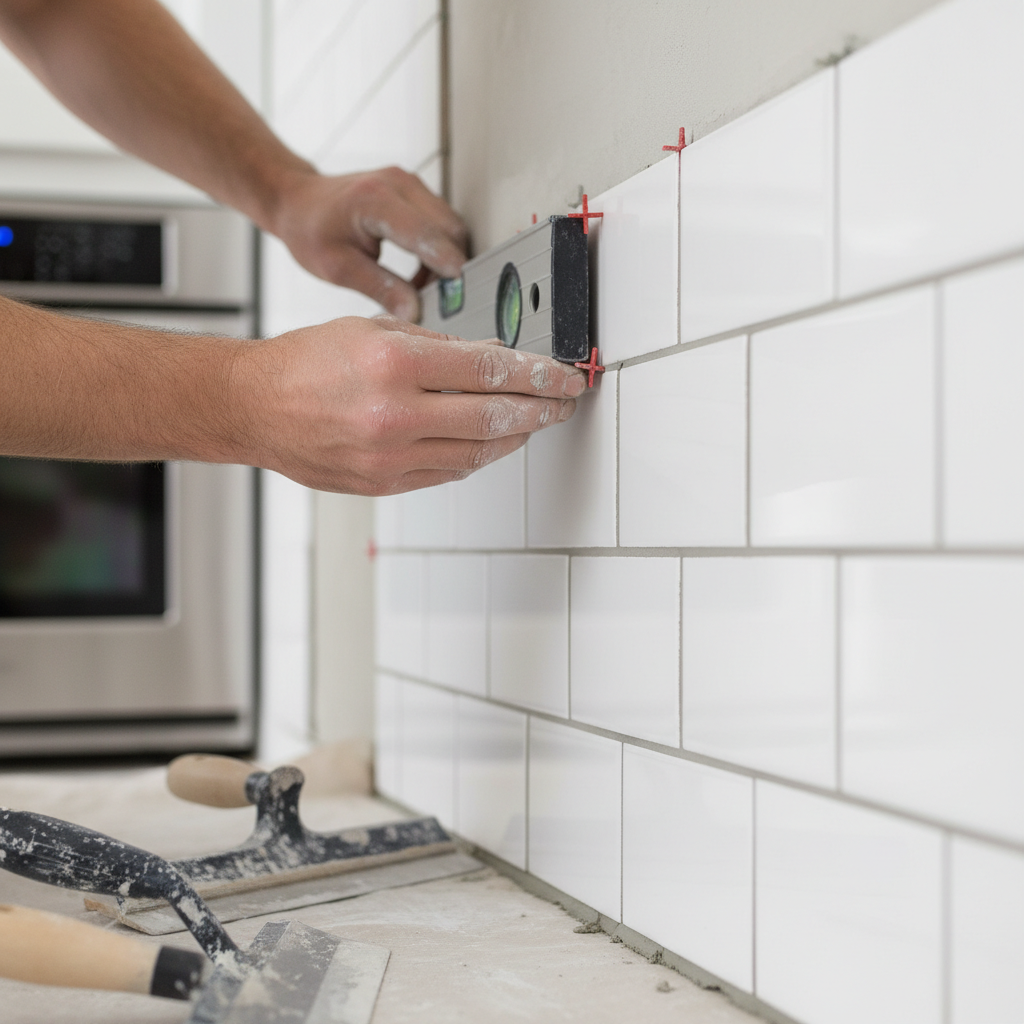
Scope and selections checklist
- Finish package: cabinets, pulls, tile, flooring, paint color, lighting (freeze SKUs early).
- Appliance plan: dimensions, hookups, vent path, delivery dates (avoid re‑roughing).
- Mechanical/electrical/plumbing: panel capacity, GFCI/AFCI strategy, shutoffs, traps, venting.
- Field constraints: elevator bookings, quiet hours, debris routes, staging rooms.
- Documentation: drawings, spec sheets, MSDS, product warranties.
Logistics that save days
- Order long‑lead items first: cabinets, counters, specialty tile (often 10–20 business days).
- Pre‑stage consumables: fasteners, drywall, corner bead, thinset, grout, caulk.
- Block inspection windows: align rough and final inspections with trade availability.
- Protect occupied floors: negative air, floor protection, and daily cleaning.
Local considerations for London
- Coordinate work windows for occupied floors during peak move‑in/move‑out months to keep disruptions under 2 hours per shutoff.
- Weather swings can affect deliveries and curing; stage materials indoors and plan interior work when temperatures dip below seasonal norms.
- Older multifamily stock can hide plumbing or electrical surprises—pre‑test shutoffs and access points so you don’t lose a full day.
Want a quick overview of our workflow? The outline on our home page shows our end‑to‑end approach to turnovers and upgrades.
Step‑by‑Step Process to Deliver a Faster Remodel
Plan in detail, then execute in lockstep. Sequence trades, order long‑lead items first, and run parallel, non‑conflicting tasks. Maintain daily QA and punch as you go. Multi‑unit owners gain speed with repeatable specs and pre‑booked inspections and deliveries.

Steps 1–4: Plan, standardize, and stage
- 1) Site assessment and scope finalization: measure, photograph, and confirm constraints; target a 24–48 hour turnaround to define scope.
- 2) Selections with a standard package: choose durable, in‑stock finishes for high‑traffic apartments.
- 3) Detailed proposal and timeline: publish a calendar with inspection holds and elevator bookings.
- 4) Procurement and staging: cabinets, tops, tile, and flooring staged before demo starts.
In our experience, a 1–2 day investment in preconstruction removes 4–6 days of drift later. For deeper planning ideas, see these renovation timeline insights.
Steps 5–8: Demo to surfaces
- 5) Demolition and protection: isolate work areas, install floor protection, and set dust control.
- 6) Rough‑ins and inspections: electrical circuits, GFCI/AFCI, plumbing reroutes, and ventilation.
- 7) Close‑in: insulation, drywall, mud/sand, and prime; plan a 24‑hour dry time between coats.
- 8) Surfaces: backsplash tile, resilient flooring, and first coat paint.
We’ve found that scheduling inspections 48–72 hours ahead keeps work flowing even when a surprise arises. Explore a structured kitchen design process to firm up selections early.
Steps 9–11: Cabinets, tops, and finals
- 9) Cabinets and hardware: set cases, align doors/drawers to 2–3 mm reveals, and secure to studs.
- 10) Countertops: template after cabinet set; fabrication and install typically require 5–10 working days.
- 11) Finals and handover: appliances, trims, plumbing fixtures, caulks, and a documented QA walk.
On multi‑unit floors, we run identical sequences door‑to‑door. That consistency means fewer change orders and faster handovers—often trimming a full week across 4–6 kitchens.
Troubleshooting Timeline Delays
Most overruns come from late materials, mid‑stream scope changes, and inspection rescheduling. Prevent them with frozen selections, early orders, pre‑booked inspection windows, and daily QA. Keep shutoffs accessible and document progress with photos to speed approvals.
Material readiness
- Verify cabinet ETA and countertop slot before demo; don’t start without dates.
- Stage 2–3 days of consumables on‑site to avoid last‑minute supply runs.
- Use SKU trackers so replacements ship within 24 hours if damage occurs.
Inspection cadence
- Reserve rough and final windows when you publish the schedule.
- Keep panel schedules, fixture counts, and GFCI/AFCI placements documented.
- Photo‑document substrate prep (e.g., waterproofing) before covering.
Hidden conditions
- Plan 10–15% time contingency for legacy plumbing or wiring surprises.
- Map shutoffs and chaseways during assessment; label valves and panels.
- Use exploratory cuts at likely conflict points to save a 6–8 hour delay later.
Need help structuring your plan? Our team shares schedule tips in company updates and portfolio notes as we publish new work.
Advanced Tips to Compress Schedules—Without Cutting Corners
Standardize, batch, and parallelize. Use durable in‑stock finishes, prefinish components off‑site, and run non‑conflicting tasks in parallel. Maintain safety‑first protocols and QA checkpoints to protect residents and assets in occupied buildings.
Standardization and batching
- Create a 1–2 page finish package with fixed SKUs for cabinets, pulls, tile, flooring, and paint.
- Batch orders across units to lock consistent lead times and reduce restock delays.
- Store spares (2–3%) for future maintenance so a single failure doesn’t stall a turnover.
Parallel work and off‑site prep
- Run backsplash after cabinet set while flooring cures elsewhere.
- Prefinish trim and doors off‑site to eliminate a full paint day on‑site.
- Assemble hardware kits per unit so installers spend under 30 minutes on pulls.
Quality assurance as you go
- Punch per phase—don’t let 50+ punch items stack to the end.
- Daily photo logs of substrate prep, rough‑ins, and finals create a verifiable trail.
- Document appliance tests (water, power, vent) before handover.
Want inspiration for setting a standard look? Browse curated before‑and‑after examples to align stakeholders early via this visual planning gallery.
Looking for a quick scheduling consult? We’ll map a 6–12 week kitchen sequence for your building and flag risks by unit type. Contact us via the website and reference “Kitchen Timeline Review.”
Frequently Asked Questions
These quick answers address timing questions we hear from property managers and landlords. Each response is designed for fast decision‑making when planning turnovers or upgrades across apartment portfolios.
How long does a basic kitchen refresh take?
Cosmetic refreshes—paint, hardware, lighting swaps, and minor repairs—often fit in 1–2 weeks when materials are ready. Add tile or flooring and expect 2–3 weeks. Always confirm lead times and schedule inspections if any electrical or plumbing work is involved.
Can you remodel with residents in place?
Yes, with safety‑first protocols, daily cleanup, and phased work that preserves egress and essential services. Expect slightly longer durations to respect quiet hours and coordinate shutoffs, but a tenant‑friendly plan prevents major disruptions.
What usually causes schedule overruns?
Late materials, mid‑stream scope changes, and inspection rescheduling are the big three. Freeze selections early, order long‑lead items first, and maintain a buffer week so unforeseen conditions don’t cascade through later phases.
What if cabinets or countertops are delayed?
Keep parallel tasks moving: paint, tile, and hardware installation can proceed while you await fabrication. Protect rough tops with temporary surfaces and confirm install slots 5–10 business days after template to hold your place.
Additional Resources
Use these tools to plan, standardize, and verify scope before you start. Clear specs and early orders shorten timelines and reduce rework, especially across multi‑unit portfolios where consistency is key.
- Standard finish package checklist for apartments (cabinets, pulls, tile, flooring, paint)
- Turnover‑ready kitchen punch list (appliances, trims, seals, tests)
- Inspection readiness template for electrical and plumbing
For our safety and process standards, visit our Privacy Policy and Terms & Conditions pages—both reflect our compliance mindset in occupied buildings.
Conclusion
Kitchen remodels usually span 8–16 weeks from scoping to handover. You control speed by freezing scope, ordering early, sequencing trades, and punching as you go. Multi‑unit owners gain further compression through standardization, concurrent work, and proactive inspection planning.
- Key takeaway: Plan 2–4 weeks for prep, 6–12 weeks on‑site.
- Key takeaway: Standardized specs in multi‑unit buildings can save 7–14 days.
- Key takeaway: QA each phase; don’t stack punch items to the end.
- Next step: Request a portfolio‑level schedule map for your properties.
Ready to coordinate multiple kitchens with fewer vacancy days? Book a schedule review with the WSIB‑compliant team at Mahal Concrete and Constructions in London, ON.