
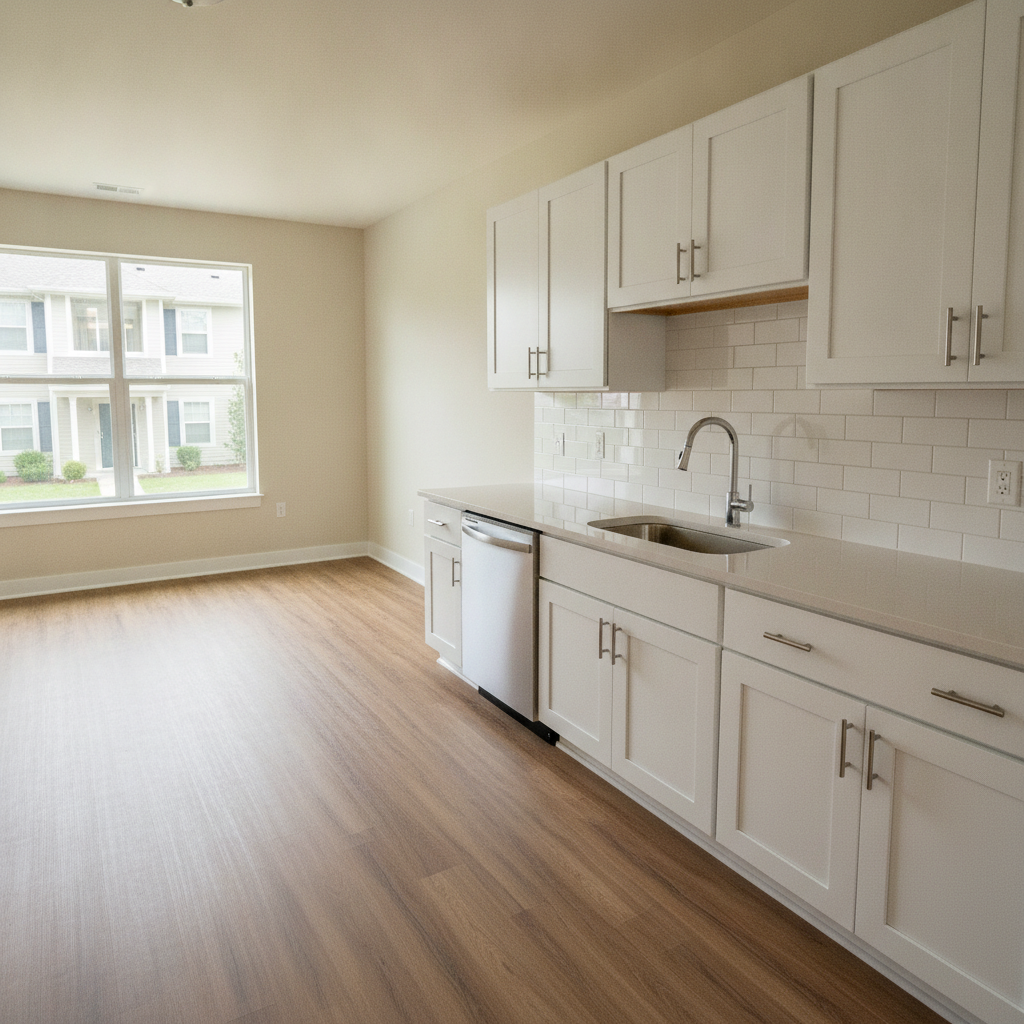
Kitchen remodeling for apartment owners is a standardized, schedule-driven upgrade of cabinets, counters, flooring, lighting, and plumbing to deliver durable, move-in-ready units. In London, ON, Mahal Concrete and Constructions (805 Chelton Rd, N6M 0K9) manages these projects end-to-end to reduce vacancy days and tenant disruption while protecting building operations.
By Mahal Concrete and Constructions
Last updated: 2026-06-10
Quick Summary
Apartment kitchen remodeling focuses on durable upgrades delivered fast and consistently across units. Owners should standardize finishes, phase work to limit disruption, and use a repeatable process4from assessment to final handover4to reduce vacancy periods and boost tenant appeal across a multi-unit portfolio.
- Scope smarter: align cabinets, counters, flooring, and lighting to a standard package.
- Sequence work to minimize downtime: demo 1 rough-ins 1 installs 1 paint 1 punch.
- Choose multi-family materials: LVP floors, quartz or laminate counters, moisture-rated paint.
- Document everything: photos, checklists, and a formal sign-off before turnover.
- Leverage a contractor experienced in occupied properties and WSIB compliance.
What Is Apartment Kitchen Remodeling?
Apartment kitchen remodeling is a repeatable set of upgrades4cabinetry, countertops, flooring, backsplash, lighting, and minor plumbing4planned and executed to create move-in-ready units quickly. The goal is consistent quality across many units with minimal tenant disruption and predictable timelines.
In our experience managing 500+ projects, the strongest results come from treating kitchens as a standardized system, not a one-off design. That mindset enables faster procurement, fewer surprises, and consistent tenant-ready results across your portfolio.
Core elements owners control
- Cabinetry pathway: replace, reface, or repaint depending on box condition and timeline.
- Countertops: factory-built laminate or quartz for durability and speed of install.
- Flooring: glue-down or click LVP that stands up to moisture and turnover traffic.
- Backsplash: ceramic subway tile or sheet backsplash for fast, repeatable installs.
- Lighting + electrical: brighter LED fixtures and GFCI protection where applicable.
- Plumbing adjustments: new shutoffs, supply lines, traps, and fit-ups for sinks and dishwashers.
When owners align these choices to a standard package, procurement time shrinks by days, install steps are predictable, and punch lists get shorter. That9s how you reduce vacancy periods at scale.
Why Apartment Kitchen Remodeling Matters
Kitchen upgrades drive faster leases, higher tenant satisfaction, and fewer maintenance calls. Standardized finishes and schedule-driven execution reduce vacancy days while protecting safety and compliance in occupied buildings.
For apartment owners and property managers, the kitchen is where leasing decisions happen. A bright, durable, easy-to-clean kitchen reduces move-out scuffs, simplifies turnovers, and anchors your building9s brand. We see three consistent payoffs across Southwest Ontario portfolios.
- Leasing speed: Fresh, standardized kitchens photograph better and tour better, improving application rates. We routinely see renovated units pre-leased before handover when marketing starts during paint and finishes.
- Lower maintenance load: LVP floors, moisture-rated paints, and robust counters cut future work orders. Less caulk failure, fewer edge chips, and simpler cleaning save labor across years.
- Predictable scheduling: A defined five-phase plan (assessment, scope, procurement, execution, quality check) reduces slips. Repeatable scopes let teams complete small-kitchen refreshes in under two weeks, even in occupied buildings.
The reality is simple: every day a unit sits empty is lost revenue. A portfolio-wide kitchen standard and a reliable contractor shrink that window.
How Our Apartment Kitchen Remodeling Process Works
We use a four-stage, end-to-end method: assess, plan, execute, and verify. Each stage includes documented checklists, photos, and sign-offs, ensuring consistent quality, safety, and milestone predictability across multi-unit properties.
Our WSIB-compliant, fully insured team executes with a structured approach designed for occupied properties. It9s built to be repeatable across dozens of kitchens without losing quality.
1) Site assessment and scope finalization
- Measure cabinets, counters, and clearances; verify plumbing, GFCI, and ventilation.
- Photograph current conditions; capture wall/ceiling repairs and potential structural needs.
- Decide the pathway: replace, reface, or repaint cabinets based on box integrity.
Documenting conditions up front cuts change orders later. Our proposal checklist shows the exact fields we capture.
2) Detailed proposal and timeline planning
- Lock in fixtures, finishes, and SKUs from your standard package.
- Sequence trades to minimize rework: demo 1 rough plumbing/electrical 1 install 1 paint 1 punch.
- Schedule with tenant-friendly windows and clear communication points.
Portfolio owners often pair this step with our kitchen turnover checklist so leasing teams know exactly when to start marketing.
3) Scheduled execution with minimal disruption
- Dust containment and clean worksites to protect adjacent units and hallways.
- Cabinet set, counter templating (if applicable), flooring, backsplash, and paint.
- Daily progress photos and milestone updates to your property team.
Repeatable scopes allow us to complete compact kitchens in 710 working days. Flooring swaps can be 12 days for LVP, while backsplash and paint typically add 13 days depending on drying times.
4) Quality check and final handover
- Functional tests for plumbing and electrical; appliance fit and door swing checks.
- Touch-up log resolved before owner/property manager walk-through.
- Handover package with photos, finish schedule, and warranty details.
See our step-by-step in the remodel timeline guide for typical durations by scope.
Types of Apartment Kitchen Upgrades
Choose a pathway based on cabinet condition, timeline, and leasing goals: replace, reface, or repaint cabinets; pair with durable counters, LVP floors, and a simple, repeatable backsplash. Standardizing these choices speeds procurement and reduces punch work.
Cabinet strategy
- Replace when boxes are damaged or layouts must change. Typical set-and-level is 13 days for a compact kitchen, excluding counter templating.
- Reface to update doors and faces while keeping solid boxes. This often saves days and reduces debris.
- Repaint for structurally sound boxes needing only a color refresh; pair with upgraded hardware for perceived value.
Our teams handle full kitchen renovations and targeted cabinet replacements across multi-unit properties.
Countertops
- Laminate: budget-friendly, fast to fabricate, and available in standardized SKUs.
- Quartz: durable, resilient to stains and chips; templating-to-install cycles are predictable for scheduling.
- Stainless or solid-surface: less common in apartments but useful for heavy-use suites.
See how we plan fit and finish in our countertop replacement guide.
Flooring
- Luxury Vinyl Plank (LVP): moisture-tolerant and scratch-resistant; many kitchens finish in 12 days.
- Porcelain/Ceramic tile: excellent for longevity; requires additional cure time and careful substrate prep.
- Sheet vinyl: fastest install where transitions are simple and subfloors are smooth.
LVP remains the workhorse in multi-unit settings thanks to its balance of durability and speed.
Backsplash
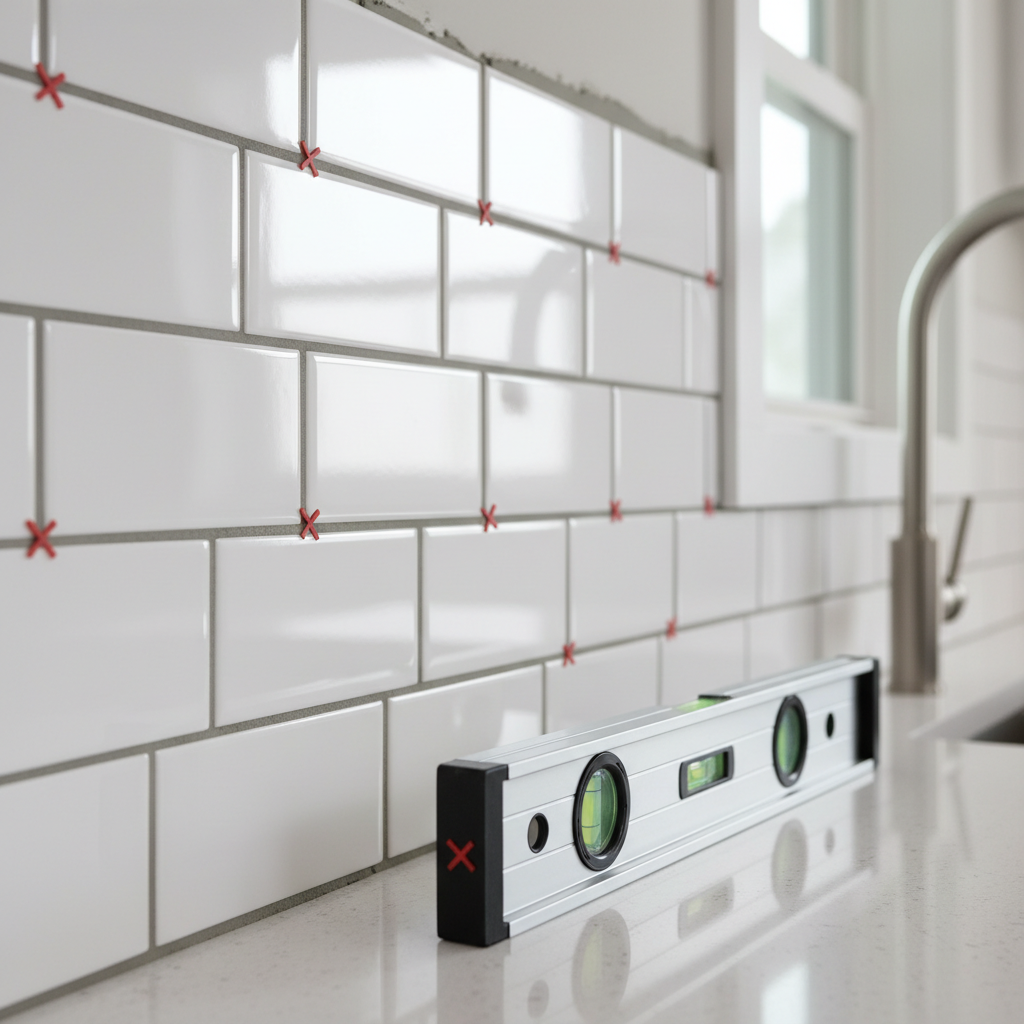
- Subway tile: classic, easy to clean, and efficient to install across many units.
- Sheet backsplash: fewer seams and rapid coverage in micro-kitchens.
Standardizing tile size, grout color, and layout reduces waste and streamlines crew setup day after day.
Lighting and electrical
- LED fixtures: brighter, cooler, and energy-efficient with long service life.
- GFCI protection: safety-critical near sinks; verify per current code.
- Under-cabinet lighting: simple upgrade that improves photos and tours.
Brighter kitchens reduce post-move-in complaints and elevate listing photos, helping pre-lease efforts.
Plumbing adjustments
- Replace shutoffs and supply lines during counter/sink swaps.
- Confirm trap alignment and dishwasher hookups before templating to avoid rework.
- Inspect for slow drains and minor leaks during demo to prevent future tickets.
Bundling these adjustments inside the main scope is faster than issuing separate work orders later.
Best Practices for Multi-Unit Kitchen Projects
Standardize finishes, sequence trades tightly, and protect hallways and occupied suites. Use checklists, daily photos, and clear communication windows to keep schedules predictable and punch lists short across your portfolio.
Operational playbook
- One standard, many kitchens: pre-select two colorways and stick to them.
- Batch procurement: order SKUs in advance for the next wave of units.
- Tenant-friendly windows: align noisy work to mid-day hours wherever possible.
- Clean worksites: floor protection, dust control, and daily corridor wipes.
- Daily progress signals: short updates with photos keep everyone aligned.
Quality and safety
- WSIB-compliant crews: trained for occupied-building etiquette and safety.
- Checklists at every phase: from substrate prep to final fixture tests.
- Documented handover: photos, serials if applicable, and warranty terms.
Our handover process mirrors the structure outlined in our apartment turnover guide, ensuring nothing slips between trades or days.
Tools, Templates, and Resources
Use checklists, finish schedules, and standard SKUs to control scope and timing. Align leasing with milestone dates and document every install with photos to simplify future maintenance and unit-to-unit consistency.
- Kitchen turnover checklist: our guide to tasks, sequencing, and sign-offs (downloadable checklist).
- Proposal fields: scope items and assumptions you should lock (proposal checklist).
- Timeline benchmarks: typical durations by scope (timeline reference).
Need a portfolio-ready finish schedule? Ask our team for two pre-vetted colorways designed for fast procurement and easy maintenance across multi-unit buildings.
Mid-article CTA: Planning a wave of unit turnovers? Book a quick assessment. We9ll align scope, finishes, and schedule so leasing can start earlier.

Case Studies and Local Insights
Across Southwest Ontario, standardized kitchen packages helped owners pre-lease units and shrink vacancy windows. In London and nearby metros, repeatable scopes and tenant-friendly scheduling consistently produced cleaner punch lists and faster handovers.
Mini case: London portfolio, 12 kitchens
- Scope: cabinet replacement, quartz counters, LVP, subway tile, LED fixtures.
- Result: two-week average per unit with overlapping trades; leasing began during paint.
- Outcome: fewer post-move-in tickets thanks to moisture-rated finishes.
Mini case: Woodstock area, 6 suites
- Scope: cabinet repaint + new hardware, laminate counters, sheet backsplash.
- Result: measured in-field for rapid installs; minimal debris and faster suite cleaning.
- Outcome: units photographed well and listed early with standardized colorway.
Mini case: Chatham corridor, 8 units
- Scope: cabinet refacing, LVP continuity into dining, LED updates, GFCI checks.
- Result: tenant-friendly windows; corridor protection kept common areas clean.
- Outcome: improved tour experience and fewer schedule conflicts.
Local considerations for London
- Plan upgrades outside peak move cycles so hallways and elevators stay clear for residents and leasing tours.
- Winter adds drying time; sequence paint and tile to account for ventilation and cure rates in colder months.
- Communicate with neighbors early; occupied-building etiquette reduces complaints and keeps schedules on track.
For apartment owners in London, ON, our crews are based nearby, which shortens mobilization time and helps maintain consistent staffing across phased projects.
Comparison: Refresh vs. Full Renovation
Choose a refresh when boxes are solid and layouts work; choose a full renovation when boxes fail, layouts change, or you need a new brand standard. The right pathway balances timeline, disruption, durability, and leasing goals.
| Approach | Best When | Typical Timeline | Disruption | Durability |
|---|---|---|---|---|
| Refresh (repaint + hardware) | Boxes are sound; quick uplift needed | 35 days | Low | Moderate |
| Reface (new doors/skins) | Boxes are solid; higher perceived upgrade | 47 days | LowMedium | High |
| Full replacement | Boxes damaged; layout change required | 710 days (plus counter templating) | Medium | Highest |
Owners often combine a cabinet refresh with new counters and LVP flooring to balance speed and impact. Where plumbing or electrical upgrades are overdue, a full renovation can consolidate multiple future work orders into one planned window.
FAQ: Apartment Kitchen Remodeling
Owners ask about timelines, tenant coordination, cabinet choices, and compliance. The best results come from standard scopes, tight sequencing, documented checklists, and a contractor experienced with occupied multi-unit properties.
How long does an apartment kitchen remodel usually take?
Small kitchens with standard scopes typically finish in 710 working days. LVP floors take 12 days, backsplash and paint add 13 days, and counters may add time if templating is required. Overlapping trades and a clear checklist keep timelines predictable.
What9s the fastest way to upgrade cabinets?
If cabinet boxes are sound, repainting with durable enamel and adding new hardware is quickest. Refacing delivers a higher-end look when time allows. Replace cabinets when boxes are damaged or when changing the layout improves clearances and function.
How do you limit disruption in occupied buildings?
Use dust containment, floor protection, and tenant-friendly work windows. Communicate milestones in advance and perform noisy tasks mid-day. Daily cleanups in corridors and consistent on-site etiquette reduce complaints and keep schedules on track.
Which flooring holds up best in apartment kitchens?
Luxury Vinyl Plank is the apartment workhorse for moisture tolerance and scratch resistance. Tile offers excellent longevity but adds cure time and requires careful prep. Choose one standard SKU and use it across units to simplify maintenance and turnover.
Key Takeaways and Next Steps
Standardize finishes, follow a documented process, and partner with a WSIB-compliant contractor experienced in multi-unit work. That9s how owners reduce vacancy periods, simplify turnovers, and keep tenants satisfied.
- Standard packages enable faster procurement and predictable installs.
- Sequenced scopes and checklists shorten timelines and punch lists.
- LVP floors, durable counters, and moisture-rated paints cut future work orders.
- Occupied-building etiquette protects community satisfaction and schedule.
Ready to align your portfolio? Let9s plan your kitchen standard and project calendar so you can pre-lease with confidence.
Book a discovery session in London: our team is local, fully insured, and structured for multi-unit execution.
For additional planning context, see these examples of renovation planning and sequencing from established firms: planning a kitchen renovation, an illustrated before-and-after, and an overview of kitchen and bathroom renovations.