
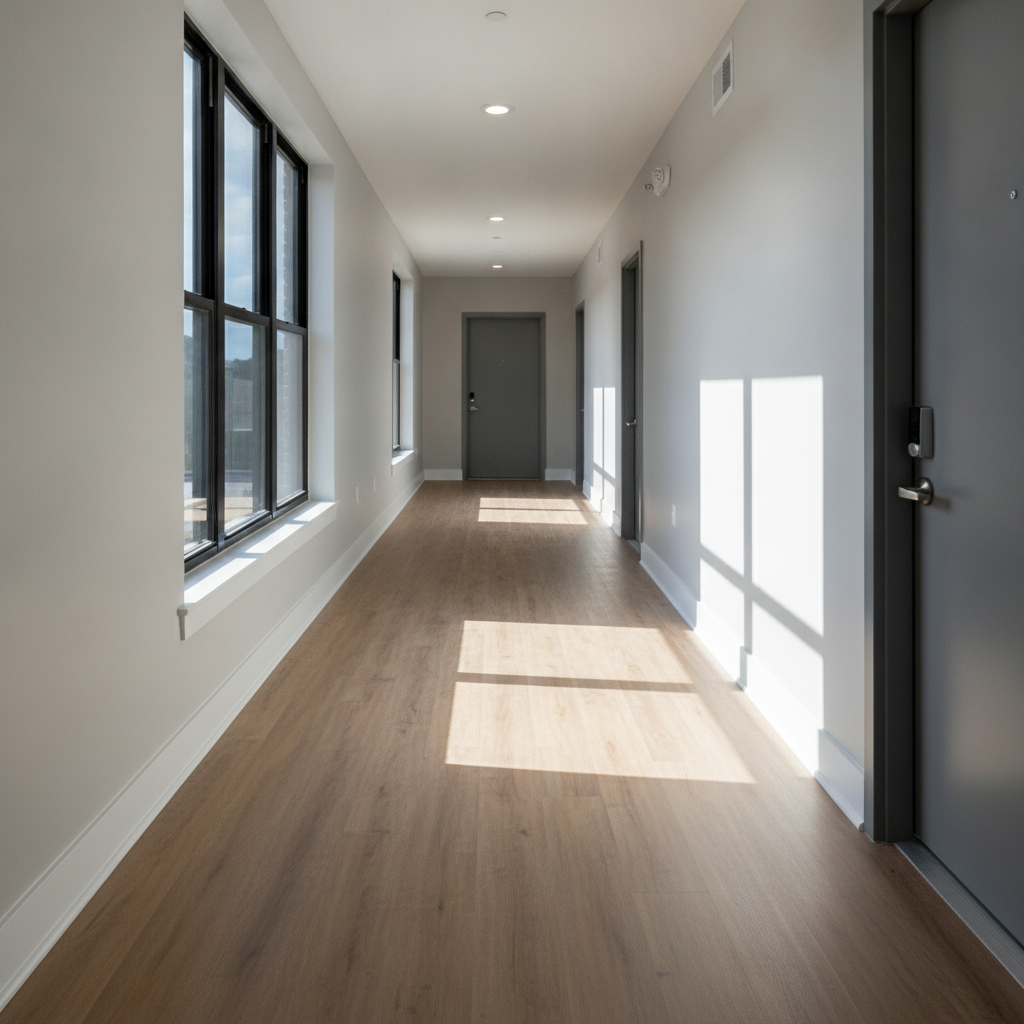
Durable flooring for rental units is long-wearing, low-maintenance surface material designed to handle tenant turnover and heavy traffic. In London, ON, our team at Mahal Concrete and Constructions (805 Chelton Rd) specifies and installs rental-ready floors that resist moisture, scratches, and stains to speed turnovers and deliver move-in-ready units.
By Mahal Concrete and Constructions • Last updated: 2026-06-14
At a Glance: What You’ll Learn
This guide shows property managers how to choose rental-ready floors that reduce vacancy days and maintenance headaches. You’ll see how materials perform, how to install them faster, and how to standardize finishes across units so turnovers run predictably—even in occupied buildings.
Use this complete guide to make confident flooring calls for apartment turnovers and renovations. We cover definitions, selection criteria, installation steps, lifespan expectations, and real multi-unit examples from Southwest Ontario portfolios.
- What durable rental flooring means and where each option fits
- How to compare materials by wear layer, AC rating, and water resistance
- Fast-turnover installation steps our crews use in multi-unit buildings
- Standardization tips to simplify maintenance across your portfolio
- Case snapshots from London, ON property managers
What Is Durable Flooring for Rental Units?
Durable flooring for rental units is a hardwearing, easy-clean surface built to withstand tenant traffic, moisture, pets, and frequent move-ins. The best choices balance scratch resistance, waterproofing, repairability, and fast installation so properties return to market quickly with consistent, attractive finishes.
In our projects, “durable” isn’t just toughness; it’s a balance of performance and process. A resilient surface that installs in a day but fails in a kitchen flood isn’t durable for rentals. Similarly, a rock-solid floor that needs a week to install slows your turnover schedule.
- Performance pillars: abrasion resistance, water resistance, stain resistance, dent resistance
- Operational pillars: installation speed, subfloor tolerance, repeatability, ease of cleaning
- Portfolio pillars: finish standardization, SKU availability, long-term supply consistency
Our London-based crews align material specs to your building realities: slab moisture, elevator logistics, elevator bookings, quiet hours, and occupied-neighbor protocols. That’s how floors survive tenants—and your schedule.
Why Durable Flooring Matters in Rentals
Choosing durable flooring reduces vacancy periods, lowers maintenance calls, and improves tenant appeal. Materials with proven wear layers and waterproof cores tolerate everyday abuse, while standardized finishes across units simplify repairs and purchasing for property managers.
Here’s the thing—every flooring decision compounds across your units. The right surface:
- Cuts vacancy days by enabling quick installs and same-day punch lists
- Improves leasing photos with modern, consistent aesthetics across buildings
- Prevents recurring work orders from moisture, pet scratches, or chair casters
- Streamlines O&M with repeatable SKUs and predictable cleaning protocols
In our experience turning 500+ units, lifetime value hinges on maintenance friction. Floors that mop clean, click back in, or accept a rapid plank swap outperform “tough” floors that require specialty trades for every repair.
How Durable Flooring Works (Structure + Specs)
Rental-grade floors combine a stable core, protective wear layer, and realistic surface texture. Look for SPC/LVP with 20–28 mil wear layers, laminate with AC4–AC5 ratings, or porcelain tile with tough glazes and grout. These assemblies resist abrasion, water, and daily impacts.
Think in layers rather than brands. Durable assemblies share common traits:
- Wear layer (measured in mils for LVP/SPC): the first line of defense against scratches and stains
- Core: SPC rigid core (stone–plastic composite) or HDF (laminate) for dimensional stability
- Surface texture: EIR (embossed-in-register) for realistic grain that hides scuffs
- Edge/locking: click-lock systems that tolerate plank swaps without full tear-outs
- Underlayment: integrated pads or separate sound mats to control impact noise
Moisture tolerance is the key differentiator. Kitchens, baths, and entries demand waterproof surfaces (SPC/LVP, porcelain), while bedrooms can leverage high-AC laminate or carpet tile for warmth and budget control—without sacrificing durability.
Types of Durable Rental Flooring (With Comparisons)
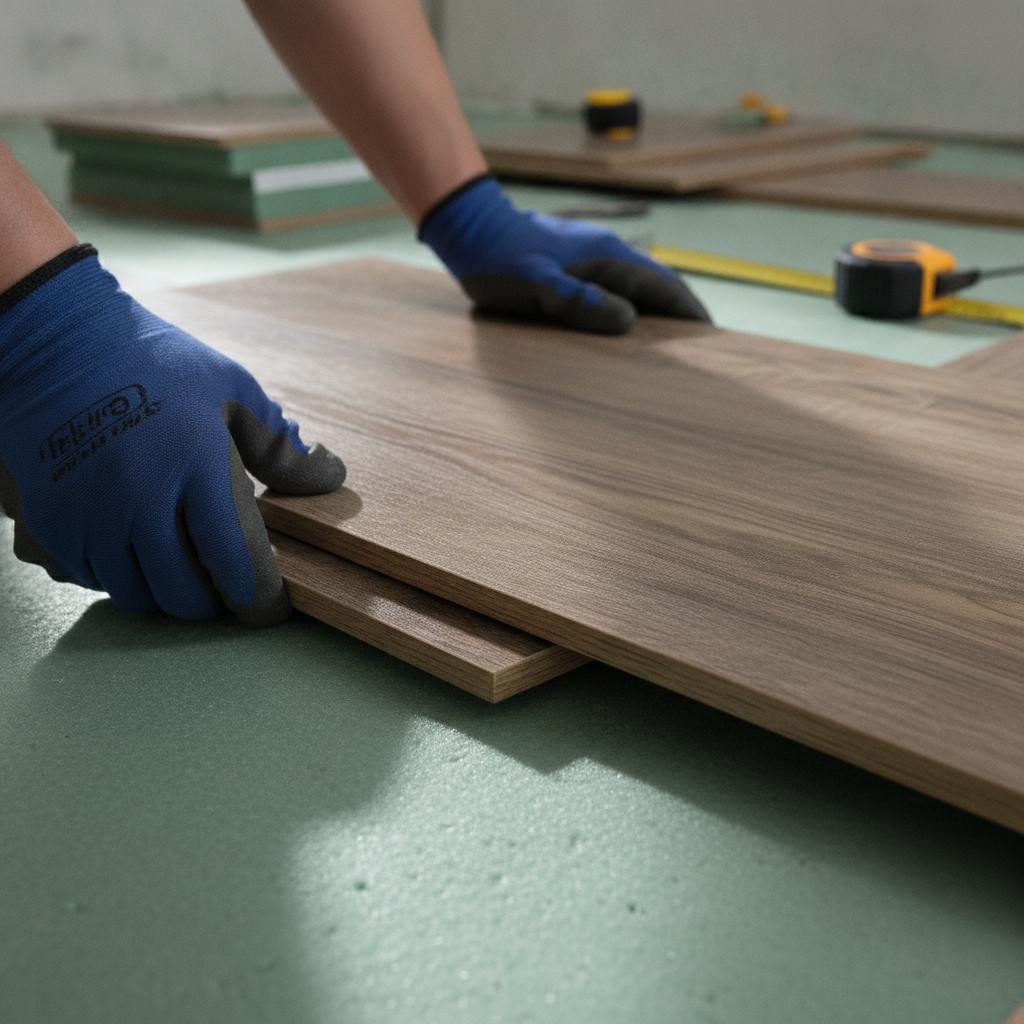
For apartments, the most durable categories are SPC/LVP, porcelain tile, AC4–AC5 laminate, sheet vinyl, carpet tile, and sealed concrete/epoxy. Each balances water resistance, impact strength, and speed of install differently. Use wet-area champions in kitchens/baths and resilient options elsewhere.
Primary categories we specify in rentals
- SPC/LVP (luxury vinyl plank): waterproof, fast to install, easy plank replacement
- Porcelain tile: top water/heat resistance; ideal for baths, entries, kitchen splash zones
- Laminates (AC4–AC5): hard surface feel, good scratch resistance for bedrooms/living
- Sheet vinyl: seamless moisture control; strong for kitchens, laundry rooms
- Carpet tile: replace single tiles after stains; quieter underfoot for bedrooms
- Polished concrete/epoxy: ultra-durable for basements/utility areas
Quick comparison table
| Type | Durability | Water Resistance | Install Speed | Repairability | Best Locations |
|---|---|---|---|---|---|
| SPC/LVP | High (20–28 mil) | Waterproof | Fast | Plank swap | Whole unit, kitchens, entries |
| Porcelain Tile | Very High | Waterproof | Moderate | Tile swap/grout | Baths, kitchens, entries |
| Laminates (AC4–AC5) | High | Moisture resistant | Fast | Board swap | Living, bedrooms |
| Sheet Vinyl | Medium–High | Waterproof (seams) | Fast–Moderate | Patch/section | Kitchens, laundry |
| Carpet Tile | Medium (commercial) | Low | Fast | Tile swap | Bedrooms, living |
| Polished Concrete/Epoxy | Very High | High (epoxy) | Moderate | Spot repair/refinish | Basements, utility |
For deep dives on installation approaches, see this practical LVP installation guide and a field-focused laminate overview that mirror the processes we deploy during turnovers.
Buying Guide: How to Choose for Your Building
Pick flooring by room use, moisture exposure, traffic, and repair logistics. Standardize SKUs across your portfolio, verify AC or wear-layer ratings, and confirm lead times. Favor products that tolerate plank swaps or tile patches, and plan transitions for kitchens and entries.
Selection checklist (use this for every unit)
- Rooms and risks: kitchens/baths need waterproof; bedrooms can use AC4–AC5 laminate or carpet tile
- Ratings: LVP/SPC wear layer 20–28 mil; laminate AC4+ for living; AC5 for heavy use
- Core stability: SPC rigid core for wet areas and dimensional stability
- Texture: matte/EIR hides scuffs; glossy shows scratches
- Transitions: plan reducers at doorways and kitchen-to-living thresholds
- Sound control: integrated pad or underlayment to manage impact transmission
- Supply continuity: confirm SKU longevity for multi-year portfolio consistency
Subfloor and building conditions
- Moisture: concrete slab RH affects adhesives and floating floors; verify before install
- Flatness: spot-grind high points and fill lows; durable floors fail on bad substrates
- Logistics: elevator bookings, waste staging, and quiet hours shape your install plan
- Occupied protocols: dust control, daily cleanup, and resident notices reduce friction
Pricing factors and lifecycle value (no numbers, just what to weigh)
- Install speed vs. durability: a slightly slower install that saves future repairs can win overall
- Repair pathways: plank swaps, tile patches, or reseals keep units rentable without full replaces
- Cleaning labor: stain resistance and easy-mop textures reduce routine costs
- Longevity: higher wear layers or porcelain glazes stretch replacement cycles
How to Install Fast for Turnovers
Fast installations hinge on prep: protect elevators, stage materials per floor, and pre-cut transitions. Our crews follow a repeatable 8-step process that delivers clean, consistent results with minimal disruption to neighboring residents.
- Protect and stage: wrap elevators, cover corridors, stage pallets by floor
- Demo and dispose: remove existing floor; manage dust and noise windows
- Moisture/flatness check: test slab, grind/fill to spec
- Underlayment: lay pad or crack isolation where required
- Layout and first course: square the room; scribe first row
- Main field: stagger seams; maintain expansion gaps
- Transitions and trims: set thresholds; caulk/touch up baseboards
- Clean and handover: vacuum, mop, photograph, and add SKUs to unit file
We document each step for your records. That’s part of our end-to-end process—site assessment, proposal and timeline, scheduled execution, and quality check before handover—built to keep multi-unit projects predictable.
Choosing Durable Flooring in London, ON Rentals
London, ON apartments benefit from waterproof floors in kitchens and entries due to winter melt and shoulder-season rain. Standardize SPC/LVP across living areas, and use porcelain tile in baths. This mix handles seasonal moisture while keeping installs fast and repeatable.
Regional climate affects materials more than people expect. Snow and rain at entries drive water-proofing needs; spring freeze-thaw cycles can raise slab moisture levels in basements. We plan materials and underlayments accordingly and align quiet hours to building policies.
Local considerations for London
- Expect wet entries during winter and spring; specify waterproof surfaces at thresholds and use robust transition strips.
- Schedule noisy demo and grinding earlier in the day during peak move seasons to reduce resident impact.
- Standardize SKUs portfolio-wide so replacement planks or tiles are always on hand during turnovers.
Best Practices for Long-Lasting Rental Floors
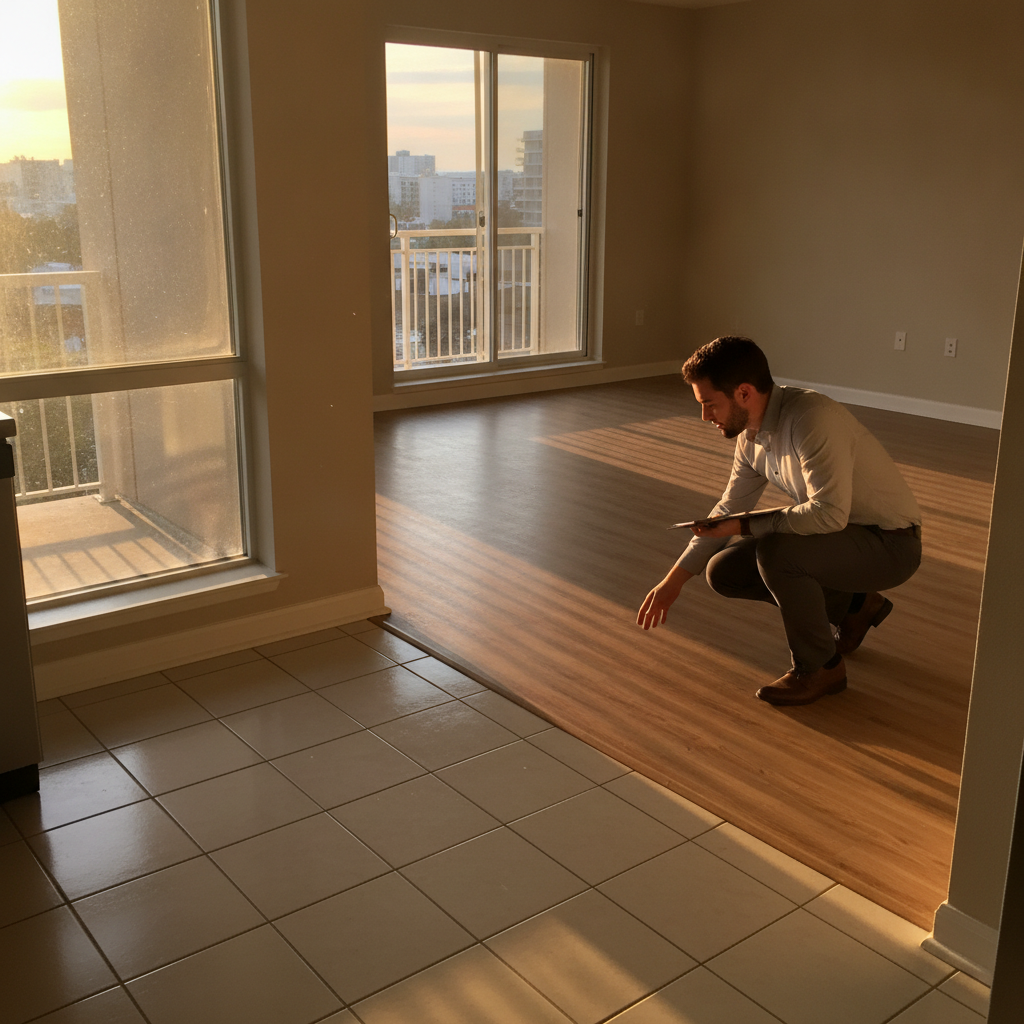
Standardize finishes, protect subfloors, and document SKUs per unit. Use matte textures to hide scuffs, install waterproof floors in wet zones, and train staff on plank swaps and grout maintenance. These practices extend service life and keep units rentable.
Specification and design
- One palette per building: same colorway and trim pieces across stacks
- Matte/EIR textures: hide abrasion and daily wear
- Waterproof in wet zones: SPC/LVP or porcelain in kitchens, baths, laundry
- Transitions: select durable thresholds that tolerate cart traffic
Installation discipline
- Moisture and flatness first: don’t skip slab checks or skim coat where needed
- Expansion gaps: respect manufacturer tolerances
- Clean cuts and trims: baseboards, caulks, and reducers complete the look
Operations and maintenance
- Unit files: record SKUs, lot numbers, and room layouts
- Plank/tile swap kits: keep spare material on site for fast repairs
- Cleaning guidance: pH-neutral cleaners; avoid abrasive pads on protective layers
We tie these practices into our full unit turnover checklist so your teams can triage and schedule confidently.
Tools and Resources
The right tools speed installs and reduce call-backs. Use moisture meters, straightedges for flatness, tapping blocks and pull bars for click floors, and diamond cup wheels for high spots. Keep transition stock, caulks, and touch-up paint on hand for same-day handovers.
- Moisture meter: assess slab conditions before adhesives or floating floors
- 8–10 ft straightedge: verify flatness and plan skim coats
- Tapping block/pull bar: tight seams without damaging edges
- Angle grinder + cup wheel: knock down high spots
- Crack isolation membrane (for tile): reduce telegraphed cracks
- Sound underlayment: meet building STC/IIC targets
- Transition kits: reducers, end caps, T-molds matched to your SKU
For method references similar to ours, this field guide to hard surface installations outlines key prep and staging concepts that apply across materials.
Case Studies and Examples (Southwest Ontario)
Standardized SPC/LVP in living areas with porcelain in wet zones shortens turnovers and reduces maintenance tickets. In multi-unit buildings, we’ve seen plank-swap repairs close same day, while tile surfaces prevent recurring water damage around showers and entries.
London mid-rise: repeatable finishes
- Scope: whole-unit SPC with porcelain in baths
- Outcome: rapid installs and minimal call-backs from wet areas
- Playbook: staged materials by floor; transitions pre-cut offsite
Portfolio owner: bedroom warmth, easy fixes
- Scope: AC4 laminate in bedrooms; SPC elsewhere
- Outcome: improved tenant comfort; quick board swaps after scrapes
- Playbook: spare cartons stored centrally for repairs
Basement units: resilience under moisture
- Scope: epoxy over prepped concrete; SPC in living areas
- Outcome: strong moisture tolerance and easy cleaning
- Playbook: moisture testing and crack isolation prior to coat
For bath upgrades aligned to this strategy, review our bathroom updates checklist that pairs tile, fixtures, and finishes for consistent handovers.
Frequently Asked Questions
Property managers often ask about the best material for wet areas, how to handle repairs after damage, and what to standardize across buildings. Here are clear, direct answers you can use during planning and turnovers.
What is the best flooring for kitchens and bathrooms in rentals?
Use waterproof options like SPC/LVP or porcelain tile. SPC/LVP handles splashes and cleans fast; porcelain offers top heat and water resistance with grout maintenance. We often specify SPC in kitchens for speed and porcelain in full bathrooms for long-term resilience.
How do I repair damage without replacing a whole room of flooring?
Keep spare planks or tiles from your standardized SKUs. Click floors allow selective plank swaps, while carpet tile replaces single squares. For tile, a targeted lift-and-replace plus grout touch-up restores the area without a full redo.
How do I reduce noise complaints with hard surface floors?
Choose products with integrated pads or add a tested underlayment to meet STC/IIC targets. Install transitions cleanly, seal perimeters where allowed, and use area rugs in living rooms and bedrooms to soften impact sound.
Should I use one flooring type throughout the entire unit?
One material simplifies purchasing and repairs, but wet areas still benefit from porcelain or waterproof SPC. A common approach is SPC/LVP through living spaces and porcelain tile in baths and at entry thresholds for extra protection.
Conclusion: Your Next Steps
Standardize a waterproof, fast-install system—SPC/LVP in living areas plus porcelain in wet zones—then document SKUs and repair paths. This formula reduces vacancy days and maintenance tickets while keeping finishes consistent across your portfolio.
- Decide your building-wide palette and SKUs
- Map rooms to materials: SPC/LVP for living, porcelain for baths/entries
- Set subfloor, moisture, and noise standards
- Stock spare material on site for quick repairs
- Schedule a walkthrough to align specs to your buildings
Need a fast, standardized flooring plan? Let our London, ON team align materials and methods to your turnovers. Book a consultation and get a practical, unit-tested spec.
Mid-article CTA: We specialize in apartment turnovers across Southwest Ontario with standardized finishes and tenant-friendly schedules. If you manage a multi-property portfolio, we’ll help you deploy a single, durable flooring standard—fast.