
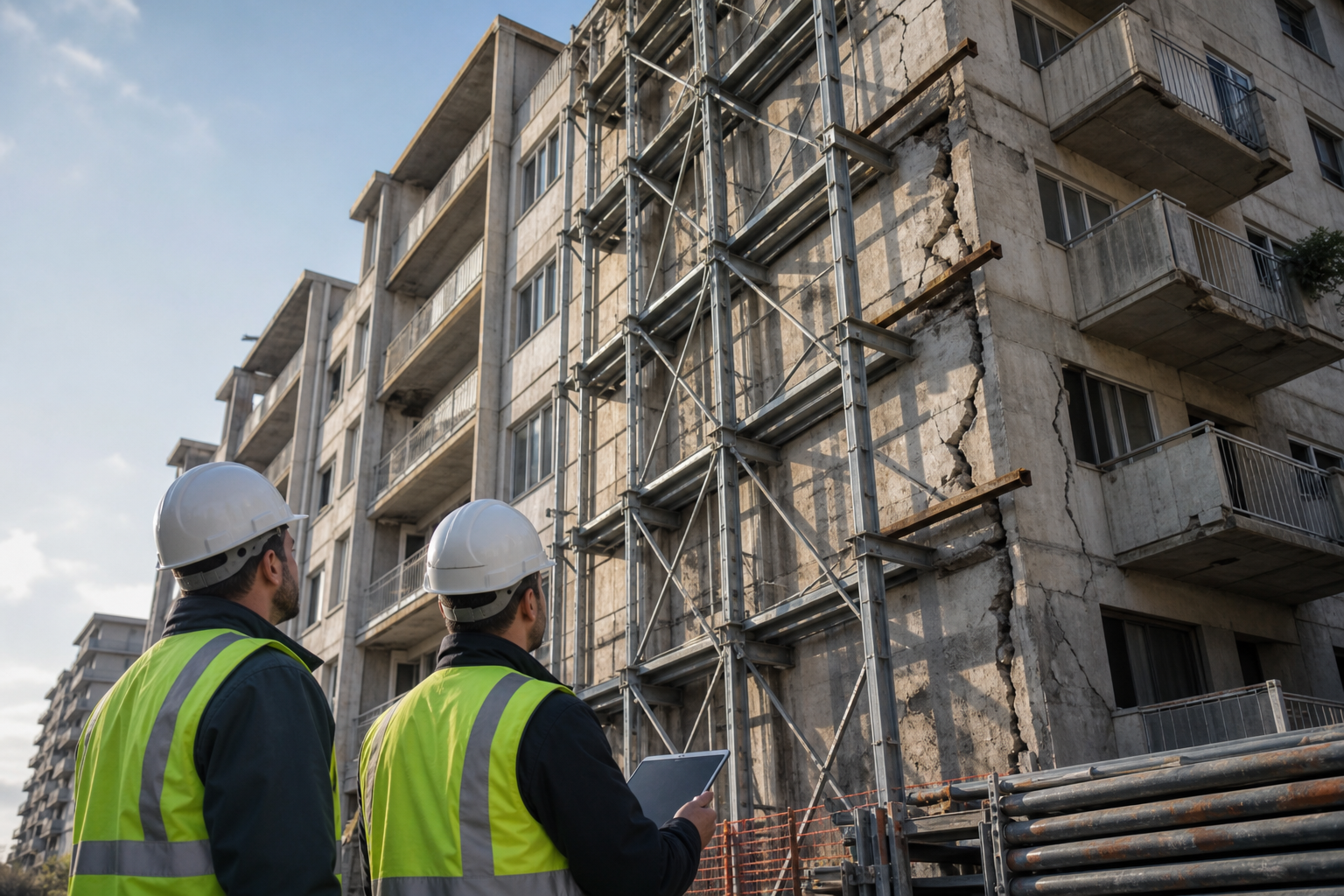
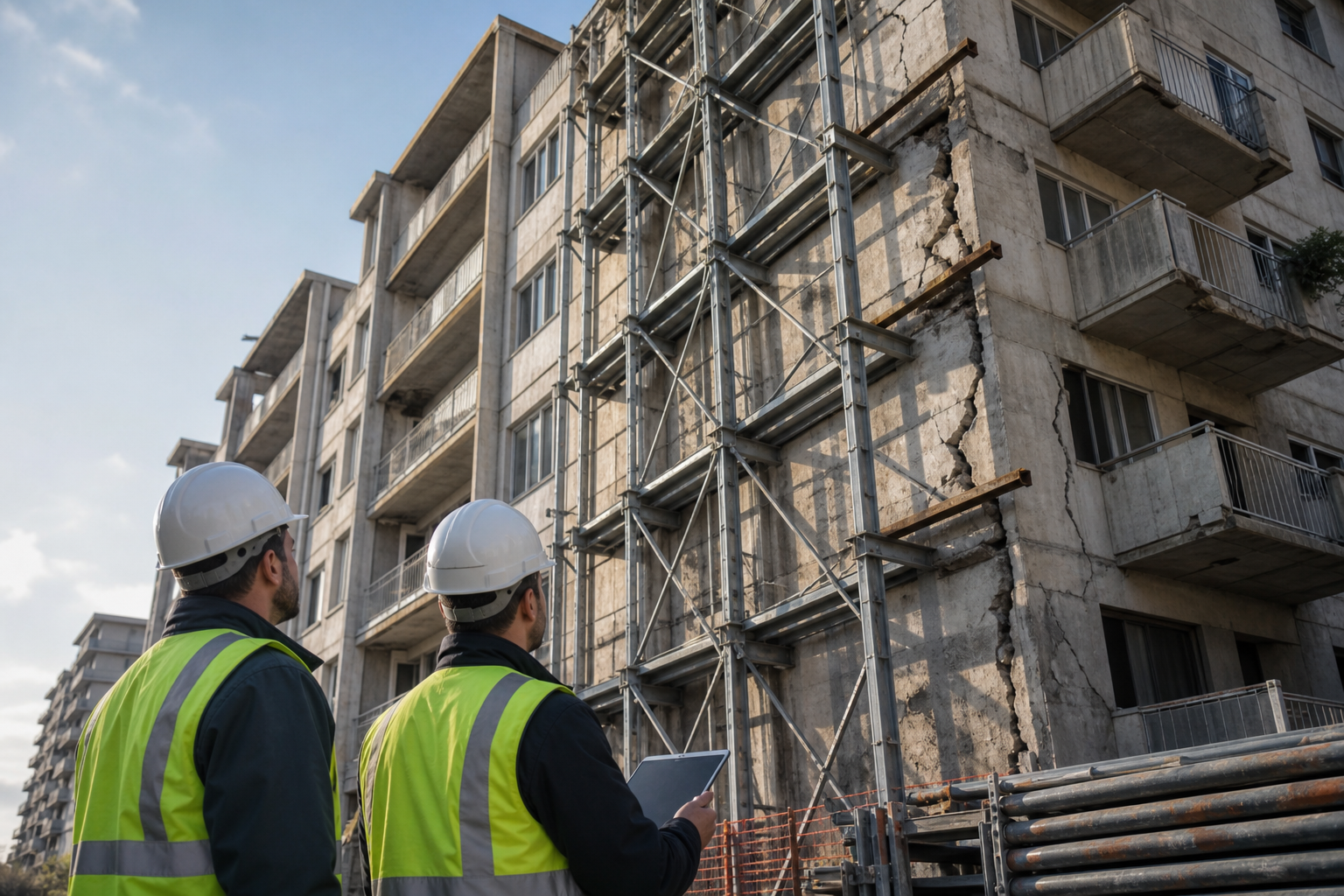
Emergency stabilization process: what to expect for apartment buildings
When a water leak, structural damage, or other incident threatens tenant safety or building use, the emergency stabilization process brings the site to a safe, controlled condition so recovery work can begin. This article explains each stage property managers should expect, what a contractor will do, and the specific documents and on-site checks to request in London and Southwest Ontario.
What the emergency stabilization process is and where it fits
Stabilization is an immediate, targeted phase within the broader emergency management cycle of mitigation, preparedness, response, and recovery. The aim during response is to stop active damage, protect life and property, and restore critical building systems to a safe state so recovery can follow. For background on emergency management phases and stabilization goals, see federal guidance on emergency management and incident stabilization frameworks. Canada.ca: Emergency Management Basics, FEMA EMI: Incident Stabilization Cycle
When to call emergency services versus a contractor
Call 9-1-1 immediately if there is risk to life, an uncontrolled fire, major structural collapse, hazardous material release, or anyone is injured and needs urgent medical attention. If the incident is property-limited and non-life-threatening, a WSIB-compliant contractor can often begin stabilization while you coordinate with municipal responders and insurers. For roles and escalation guidance, see Public Safety Canada. Public Safety Canada: Role in an Emergency
Stage-by-stage walkthrough of the stabilization process
The following stages describe what you should expect on site. Each stage includes typical contractor actions and the deliverables you should require before moving to the next step.
1. Initial alert and triage
What happens: You notify building leadership, affected tenants if required, your insurer, and a contractor. The contractor confirms availability and provides an initial, concise safety plan and a short written estimate for immediate measures.
- Contractor deliverables: initial risk assessment, confirmation of WSIB and insurance status, and a short list of emergency measures to be taken within hours.
- Manager checks: verify contractor identity, request proof of insurance and WSIB clearance, and ask for references for multi-unit emergency work.
2. Rapid site assessment and containment
What happens: The crew performs a focused site assessment, identifies active hazards, and sets containment to prevent spread of damage. Actions may include shutting off utilities, installing temporary barriers, or securing openings.
- Contractor deliverables: documented assessment notes, photos, immediate action list, and a temporary safety perimeter or shoring plan if needed.
- Manager checks: ensure tenant safety actions were taken, request daily photo logs, and confirm whether temporary tenant relocation is necessary.
3. Stabilization works and temporary protection
What happens: Crews carry out physical measures that stop ongoing damage and protect finishes and systems. Typical tasks include structural shoring, emergency patching, tarping, temporary weatherproofing, and coordinating water extraction and drying.
- Contractor deliverables: written scope for stabilization tasks, a safety plan for occupied areas, and an estimated timeline to handover to recovery trades.
- Manager checks: confirm materials and methods are appropriate for high-traffic rental environments and that work zones are isolated from tenants.
4. Systems safe-to-use confirmation
What happens: After immediate hazards are addressed, the contractor and qualified trades or engineers confirm which systems are safe and which remain restricted. Third-party sign-off may be required before tenants can reoccupy affected spaces.
- Contractor deliverables: systems status report and any engineer or trade-specific permits or advisories.
- Manager checks: obtain written confirmation of safe-to-use systems from qualified technicians and retain copies for insurer and building records.
5. Transition to recovery and repair
What happens: Stabilization is handed over to recovery crews for permanent repairs and restoration. The stabilization contractor should provide a handover package with assessment photos, a list of temporary measures, and recommendations for permanent scope.
- Contractor deliverables: final stabilization report, inventory of temporary fixes, and clear recommendations for permanent repairs.
- Manager checks: compare the handover package with insurer expectations and require a follow-up schedule for permanent repairs.
What to expect from the contractor at each stage
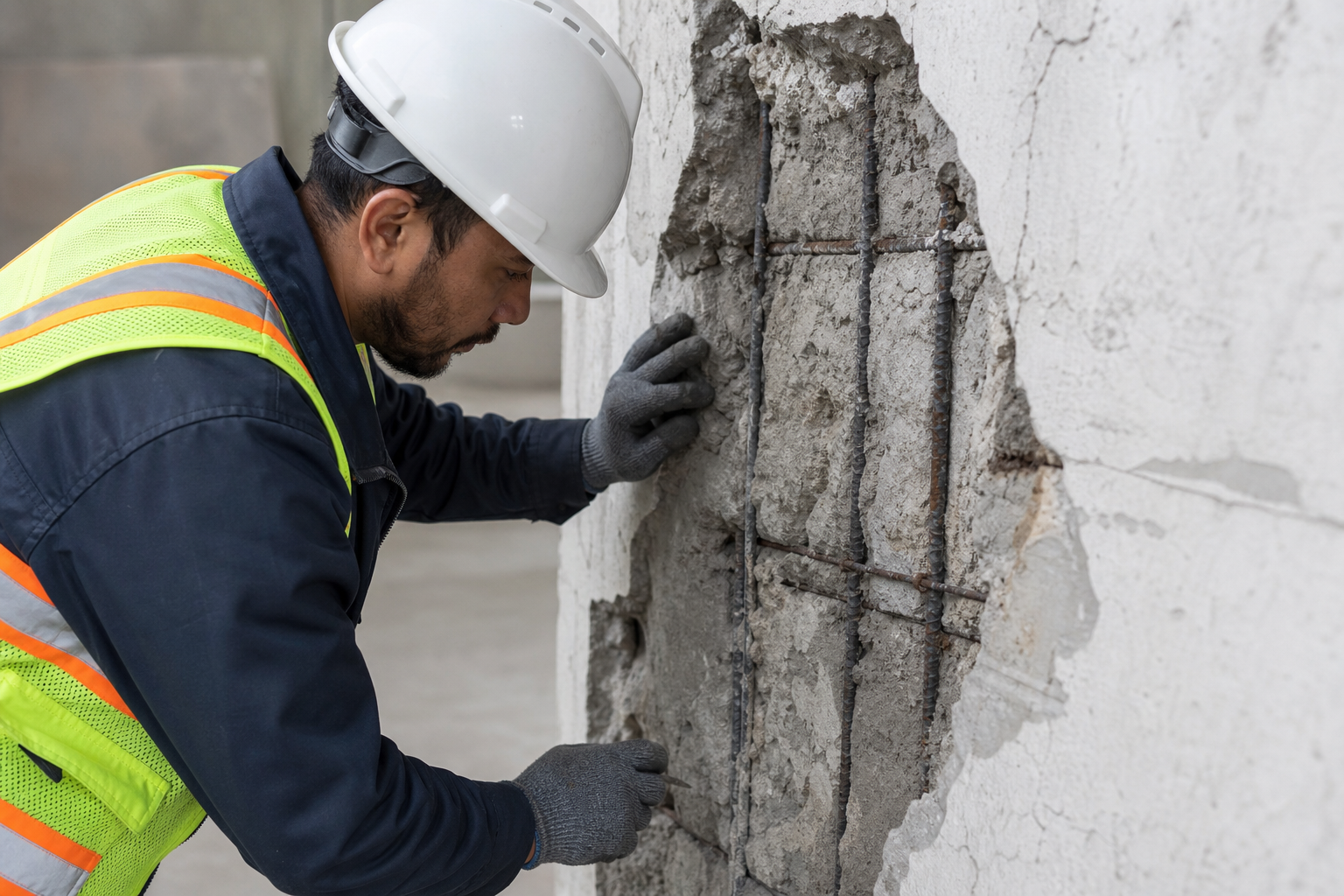
A WSIB-compliant, fully insured contractor working in occupied multi-unit buildings follows a consistent checklist: fast, clear communication to tenants and managers, documented site assessment, immediate containment actions, tenant-safe work zones, daily progress logs, photo evidence, and a formal handover report. Mahal Concrete and Constructions follows a structured, end-to-end process from site assessment and scope finalization to quality checks prior to handover. Mahal Concrete and Constructions
Expect explicit instructions on access, an outline of temporary tenant protections, and a safety plan that minimises dust, noise, and corridor closures.
Key verifications and documents to request on first contact
Before allowing crews to start stabilization, ask for these items and record them in your incident file:
- Current proof of general liability insurance with limits and effective dates.
- WSIB clearance or clearance number to confirm compliance with Ontario workplace insurance rules; see the Ontario emergency management glossary for commonly used terms. Ontario emergency management glossary
- Business licence or municipal registration if applicable.
- Written initial risk assessment and proposed immediate actions.
- References or recent examples of multi-unit emergency work with contact details.
- Contact information for the on-site supervisor and daily progress reporting times.
If the contractor cannot produce WSIB or insurance documentation promptly, delay nonessential work that could increase liability until verification is provided.
Occupied-property constraints and tenant safety measures
Work in occupied buildings must protect tenants and limit disruption. Expect the contractor to:
- Provide tenant notices that explain access requirements, expected duration, and a contact number for concerns.
- Establish containment zones with clear signage, temporary walkways, and dust control.
- Coordinate temporary relocations only when essential and in agreement with building management and insurers, and provide a documented rationale before moving residents.
- Maintain clean common areas at the end of each shift and secure tools and materials away from tenant access.
Mahal emphasises phased, tenant-friendly scheduling and clean worksites to reduce resident disruption during emergency work. Mahal Concrete and Constructions
Common objections and decision criteria property managers use

Managers commonly worry about cost, speed, liability, and resident disruption. Use these concrete criteria when choosing a stabilization contractor:
- Verified WSIB and insurance documents on file.
- Clear, documented initial assessment and estimated short-term scope.
- Evidence of multi-unit experience and tenant-friendly protocols.
- Daily reporting commitment and photo documentation for insurer claims.
- Reasonable, written temporary protection measures and a handover package.
Warning sign: contractors who press for undocumented scope changes on-site or refuse to provide insurance and WSIB proof should be treated with caution.
Quick checklist and immediate next steps for property managers
Use this seven-item checklist the moment you discover an incident:
- Ensure tenant safety and call 9-1-1 if anyone is injured or life is at risk.
- Shut off utilities only if safe and authorised to do so; document actions and time.
- Contact your insurer and note a claim reference if available.
- Call a WSIB-compliant contractor and request proof of insurance and WSIB clearance before arrival.
- Request an immediate site assessment, a short written scope of emergency actions, and photo documentation.
- Notify affected tenants with basic safety instructions and expected next steps.
- Preserve evidence and restrict access to damaged areas until the contractor documents the scene.
For a practical example of apartment-focused emergency repairs, see Mahal’s post Emergency Repairs: Keep Tenants Safe and Calm.
Final considerations and how Mahal supports stabilization
Emergency stabilization is a rapid, documented process that balances tenant safety, minimal disruption, and insurer requirements. When sourcing contractors for occupied, multi-unit properties, confirm WSIB and insurance, require a written short-term scope, and insist on daily documentation and a formal handover before recovery begins. Mahal Concrete and Constructions offers site assessment, schedule-driven execution, and emergency services designed to stabilise issues and support continuity for apartment properties. Mahal Concrete and Constructions
Frequently asked questions
What is the emergency stabilization process and how long does each stage typically take
Stabilization includes initial triage, rapid assessment, containment, temporary protection, systems safe-to-use checks, and handover to recovery. Exact timing depends on the incident and building complexity; the priority is making the site safe and stopping further damage, not meeting a fixed timeline without assessment.
How quickly should I contact a contractor and when should I call 9-1-1 instead
Call 9-1-1 for life-safety incidents, major structural failures, fire, or hazardous material release. For non-life-threatening damage that risks further loss, such as a significant leak or collapsed ceiling, contact a qualified contractor immediately while informing your insurer.
What documents should I ask a contractor to provide before they start stabilization work
Request current liability insurance certificates, WSIB clearance, a written initial risk assessment, a short scope of emergency actions, and contact details for the on-site supervisor.
Will tenants need to relocate while crews stabilise the building
Most stabilization work is designed to limit relocations. Temporary tenant relocation is only needed if life-safety systems are compromised or if the contractor and building manager determine the environment is unsafe for occupancy. Expect tenant notices and a documented rationale before any relocation.
Who is usually responsible for paying for emergency stabilization work
Payment responsibility depends on lease terms and insurance coverage. Property insurance commonly covers emergency stabilization, but confirm coverage and approval with your insurer before authorising nonurgent permanent repairs.
Mahal Concrete and Constructions can provide a site assessment and emergency response plan tailored to multi-unit buildings in London and Southwest Ontario. Contact the team through the website for next steps.