
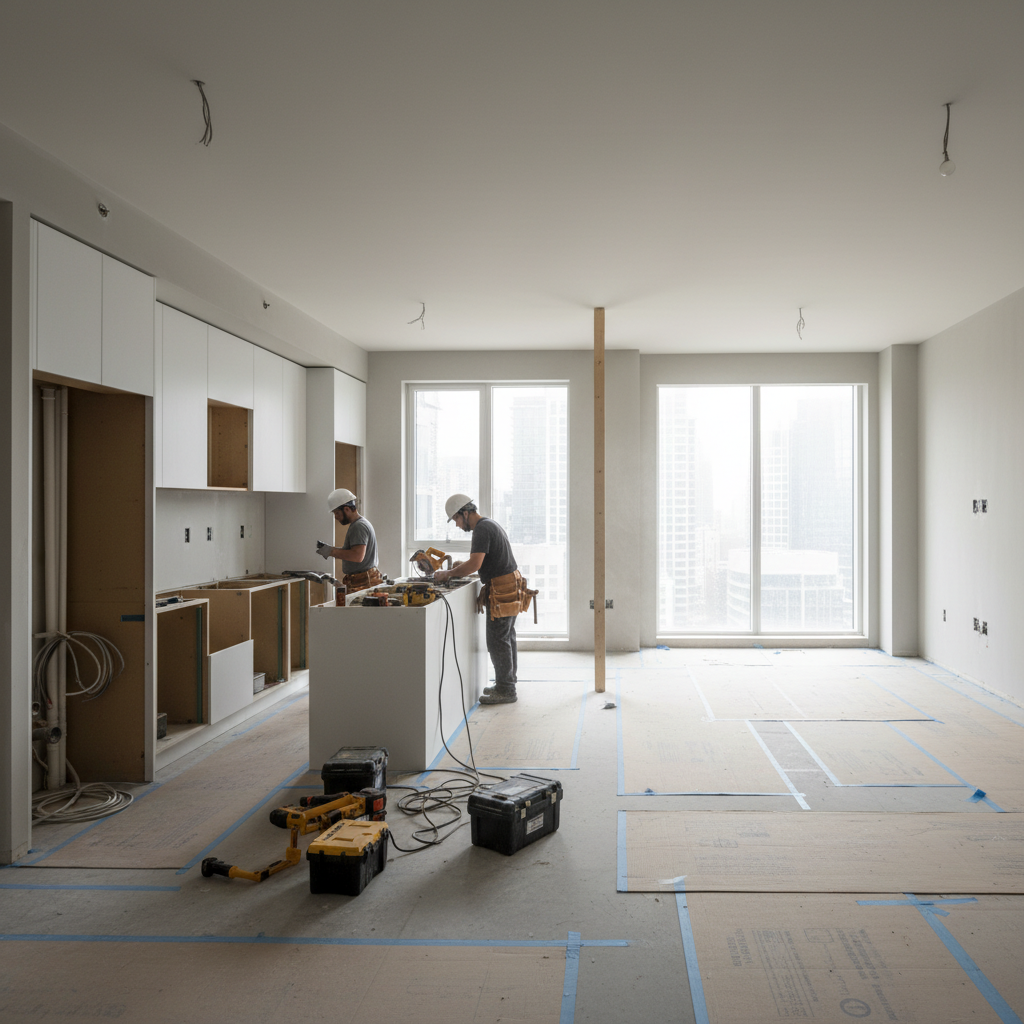
An apartment renovation proposal checklist is a structured list of scope items, specs, timelines, and safety requirements used to evaluate and award building work. For London, ON multi-unit properties, it aligns owners, property managers, and contractors on deliverables, phasing, and standards so units become move-in-ready faster. Mahal Concrete and Constructions builds proposals around this checklist to reduce vacancy time.
By Mahal Concrete and Constructions • Last updated: 2026-06-02
Quick Summary
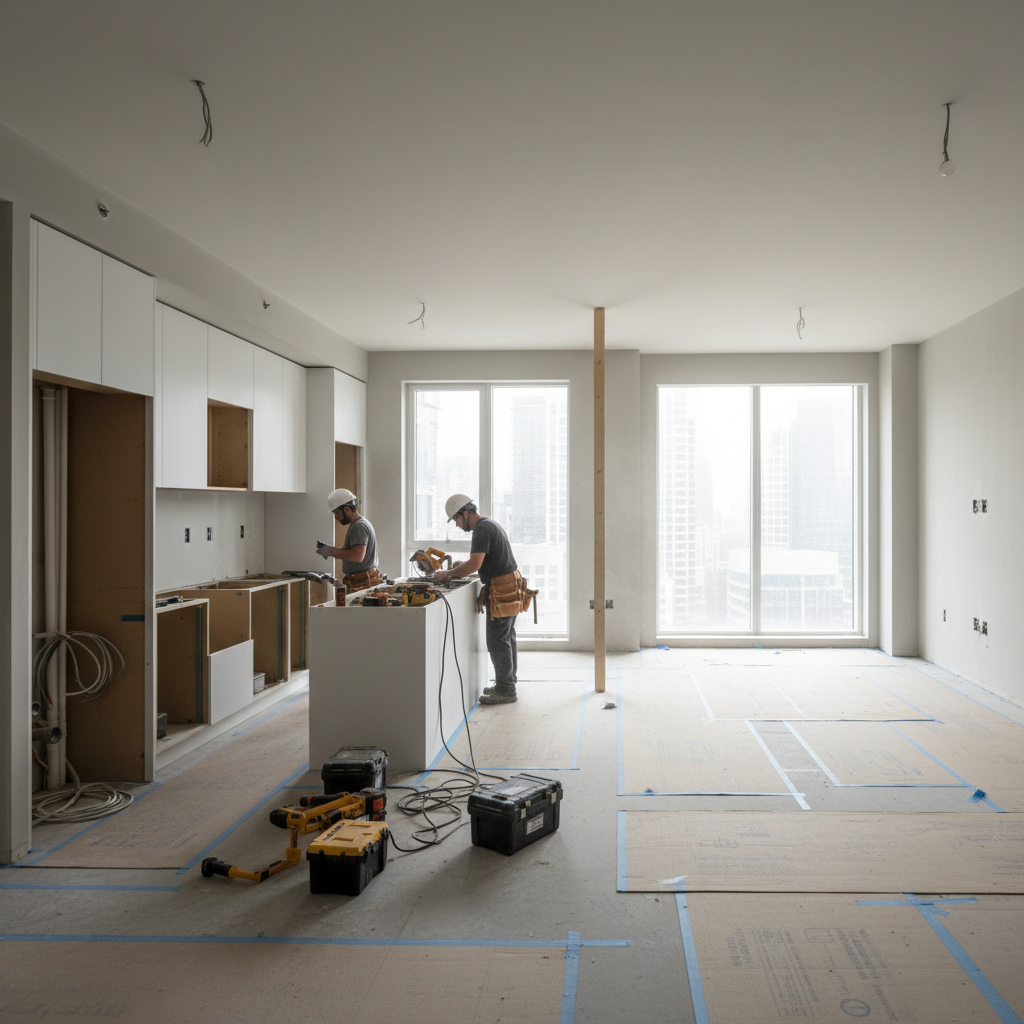
Use a clear apartment renovation proposal checklist to define scope, finishes, phasing, access rules, documentation, and closeout. Strong proposals show itemized tasks, brand/model specs, milestone dates, WSIB-compliant safety measures, and punchlist sign-off. This guide includes a step-by-step process, a buying checklist, and a strong-vs-weak comparison table.
This complete guide explains what a checklist includes, why it matters in occupied buildings, and how we structure proposals for speed and consistency. You’ll find:
- Definitions and essentials for apartment proposals
- A buying guide and step-by-step workflow
- Comparison table: strong vs. weak submissions
- Templates, specs, and documentation tips
- London, ON considerations for multi-unit properties
What is an apartment renovation proposal checklist?
An apartment renovation proposal checklist is a standardized set of scope items, specifications, sequencing rules, and documentation requirements that bidders must follow. It prevents gaps and scope creep, enables apples-to-apples comparisons, and speeds award decisions so vacant units can return to market sooner.
In our experience with 500+ projects, the checklist acts like the “contract for clarity.” It sets the baseline every bidder must meet and gives property managers a single place to verify inclusions.
- Scope clarity: Room-by-room tasks for kitchens, bathrooms, flooring, painting, and repairs
- Specs and brands: Standardized finishes and durable, high-traffic materials
- Sequencing: Phased work to minimize tenant disruption in occupied buildings
- Documentation: Site assessment, schedule, daily logs, QA sign-offs
- Safety: WSIB-compliant policies, PPE rules, and hazard controls
When everyone works from the same checklist, analysis goes faster and handovers are more predictable. That’s the foundation for consistent multi-unit execution.
Why this matters in London, ON multi-unit buildings
In London and across ON, the right checklist protects tenants, reduces rework, and keeps turnover timelines on track. It sets quiet hours, access protocols, and material standards suited to high-traffic rentals, so apartments hit a consistent move-in-ready finish with fewer surprises.
Occupied-building work is different. You’re coordinating resident access, elevator bookings, and quiet hours while chasing a turnover date. A rigorous checklist formalizes these constraints and bakes them into the plan.
- Tenant-friendly scheduling: Define working windows and noise controls up front
- Portfolio consistency: Standardize finishes so multiple buildings feel uniform
- Faster leasing: Detailed scopes shorten decisions and help units return to market
- Safety first: WSIB-compliant practices and clean worksites reduce incidents
We tailor proposal language for London, ON portfolios—clear scope lines, predictable timelines, and standardized finish schedules—so managers can approve with confidence.
How the proposal process works (step-by-step)
Great proposals follow a repeatable process: assess the unit, finalize scope, document finishes, plan phasing, schedule trades, and define QA and handover. Each step reduces uncertainty and anchors the schedule, which is essential in occupied apartments.
- Site assessment: Walkthrough, measurements, photos, and defect list
- Scope finalization: Room-by-room inclusions and exclusions
- Specs and finishes: Cabinets, countertops, tile, paint, fixtures
- Phasing plan: Sequencing work to limit noise and downtime
- Schedule and milestones: Start, inspections, substantial completion, handover
- QA and documentation: Daily logs, checklists, punchlist, sign-offs
Our structured process—site assessment, detailed proposal, scheduled execution, and rigorous quality checks—has been refined across hundreds of turnovers. For kitchen timelines specifically, see our kitchen remodel scheduling guide.
Renovation types covered in a strong proposal
A robust apartment proposal calls out each workstream—kitchen remodeling, bathroom remodeling, flooring and tiling, paint and repairs, and emergency stabilization. It defines inclusions, brand-level specs, and acceptance criteria per room, eliminating guesswork.
Kitchen remodeling inclusions
- Cabinet replacement: Layout, box construction, hinge type, soft-close hardware
- Countertop installation: Edge profile, backsplash termination, caulking spec
- Appliance connections: Hookups, shutoff valves, and test procedures
- Tile installation: Underlayment, grout color, pattern and trim transitions
Explore trade-offs in our remodel vs. cabinet replacement article.
Bathroom remodeling inclusions
- Tiling and re-tiling: Waterproofing membrane, slope, grout joint width
- Fixture upgrades: Flow rates, finish color, ADA or accessibility considerations
- Plumbing adjustments: Shutoffs, traps, venting checks, pressure testing
- Surface preparation: Backer board, primer, and moisture-resistant paint
Flooring, paint, and repairs
- Floor replacement/repair: Subfloor prep, expansion gaps, transitions at doors
- Full-unit painting: Sheen schedule by room, low-VOC requirement, cut lines
- Wall repairs and patching: Fastener setting, feathering, texture matching
For occupied buildings, our approach emphasizes standardized finishes and durable, high-traffic materials to maximize long-term performance across portfolios.
The apartment renovation proposal checklist (copy/paste-ready)
This apartment renovation proposal checklist captures scope, specs, sequencing, documentation, and acceptance criteria. Copy it into your RFP or addendum. Require bidders to confirm each line item and attach brand/model cut sheets or spec sheets for verification.
- General
- Project overview and unit count (vacant/occupied)
- Site assessment notes and photo log
- Working hours, quiet hours, and access rules
- Scope of work
- Room-by-room inclusions and exclusions
- Demolition plan and debris handling
- Temporary protection and dust control
- Specifications
- Cabinets, counters, appliances, tile, grout, paint system
- Brand/model cut sheets and color schedules
- Durability and warranty requirements
- Sequencing and phasing
- Unit-level schedule with milestones
- Trade coordination and handoffs
- Noise, elevator, and corridor management
- Compliance and safety
- WSIB-compliant policies and training
- Lockout/tagout and permit needs
- Material safety data and low-VOC plan
- Quality assurance
- Daily logs, progress photos, and inspections
- Punchlist, deficiency correction, and sign-offs
- Turnover package with warranties and manuals
We encourage clients to reference the checklist during pre-bid meetings. It keeps proposals aligned with the building’s expectations and reduces clarifications later.
Strong vs. weak proposals (at-a-glance comparison)
Strong proposals are specific, standardized, and sequenced; weak proposals are vague, brandless, and light on QA. Use this table to spot the difference quickly and reduce award risk for multi-unit work.
| Criterion | Strong Proposal | Weak Proposal |
|---|---|---|
| Scope detail | Room-by-room tasks with inclusions/exclusions | General statements like “renovate kitchen” |
| Specifications | Brand/model, color codes, data sheets attached | “Builder grade,” no brand or finish schedule |
| Sequencing | Phased plan with milestones and trades | No milestones; assumes all-at-once |
| Safety | WSIB-compliant policies, PPE, risk controls | Generic “work safely” language |
| Documentation | Daily logs, inspections, punchlist sign-offs | No process for QA/QC or sign-offs |
| Closeout | Warranties, manuals, as-built notes | Handover without documentation |
When proposals read like a buildable plan, outcomes improve. That’s why we standardize finishes and acceptance criteria across portfolios.
Buying guide: questions to add to your RFP
A good apartment renovation proposal checklist also includes targeted RFP questions. Ask about sequencing, materials, safety, documentation, and handover. The right prompts surface experience, highlight risks, and keep bids comparable.
- How will you phase noisy work in occupied buildings?
- What brands/models will you install for cabinets, counters, tile, and paint?
- What daily documentation will we receive (logs, photos, inspections)?
- What QA steps occur before substantial completion and handover?
- How do you handle unforeseen repairs (e.g., subfloor or plumbing issues)?
- Who leads site safety and WSIB compliance? Provide certificates.
- What’s your plan for dust control, odor, and corridor protection?
These questions lead bidders to reveal process maturity. We also invite managers to a pre-bid walkthrough to align on expectations and confirm measurements.
Tools and resources for proposal clarity
Templates, photo logs, and standardized finish schedules make proposals faster to write and easier to compare. Require brand/model cut sheets, room-by-room checklists, and a handover package outline so quality does not depend on memory.
- Room checklists: Kitchens, bathrooms, bedrooms, living spaces
- Finish schedule: Paint system, tile pattern, grout color, trim profiles
- Photo documentation: Before/after, progress, and issue tracking
- Safety binder: PPE policies, hazard assessments, incident reporting
- Closeout packet: Warranties, manuals, care instructions
Permits and plumbing often drive sequencing and inspections; review a practical permit application guide and a bathroom plumbing primer to prepare documentation checklists early.
Step-by-step implementation inside an occupied building
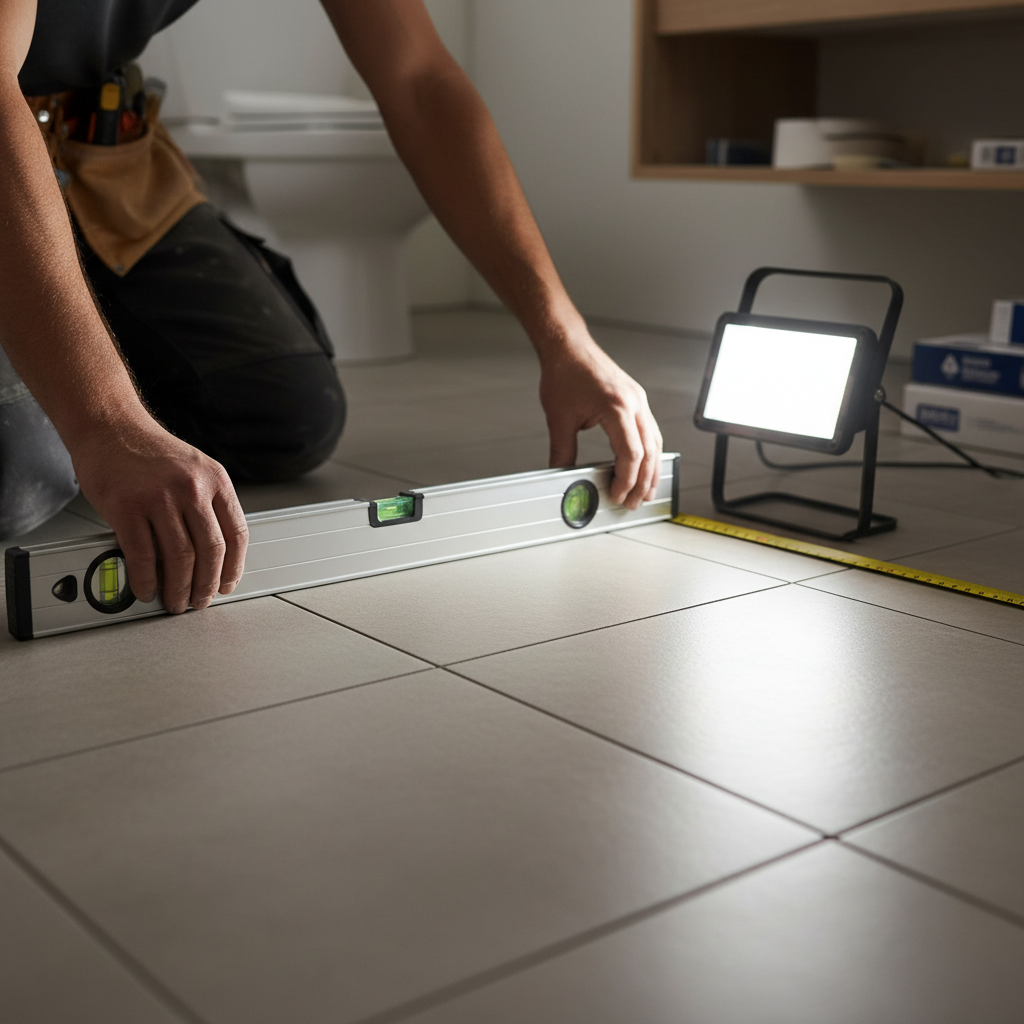
Successful implementation pairs schedule discipline with tenant sensitivity: protect spaces, phase loud work, track daily progress, and keep punchlists tight. Document everything so the handover package reflects the real, as-built unit.
- Protect and prep: Floor protection, dust barriers, signage
- Demolition: Segmented, with debris routes and elevator bookings
- Rough work: Framing, plumbing/electrical adjustments, inspections
- Finishes: Cabinets, counters, tile, paint in defined order
- QA passes: Issue log, corrections, and manager walkthroughs
- Handover: Warranties, manuals, and final sign-offs
For turnover pitfalls to avoid across apartment portfolios, review our multi-unit turnover checklist. We also welcome managers onsite for mid-point reviews.

Case examples from our portfolio
Portfolio-wide consistency comes from standardized finishes, tight scopes, and clear acceptance criteria. These brief scenarios show how checklist-driven proposals improved timelines, quality, and tenant satisfaction across multi-unit properties.
- Kitchen refresh at scale: Standard cabinet spec and counter profile applied across multiple buildings; punchlists shrank thanks to consistent hardware and trim details.
- Bathroom upgrades in occupied floors: Phased weekend work with odor control and quiet-hour compliance reduced disruption and complaint volume.
- Flooring standardization: Durable plank system and uniform transitions delivered a consistent look and faster installs across units.
- Paint system unification: Sheen-by-room standards simplified ordering and cut repaints after move-in damage.
- Emergency stabilization: Rapid response contained water damage; proposal addendum documented structural and surface repairs with QA photos.
- Legal separate entrance planning: Scope and inspection points documented early to streamline reviews and occupancy requirements.
- Punchlist discipline: Daily logs, priority tagging, and manager walkthroughs trimmed handover cycles.
- Spec drift prevention: Brand/model callouts in the RFP stopped mid-project substitutions.
- Documentation wins: As-built notes and warranty packets reduced post-handover questions.
- Sequencing clarity: Trades received defined handoffs, reducing idle time and rework.
- Corridor protection standards: Repeatable barrier setup kept common areas clean and residents supportive.
- Deficiency response SLAs: Documented timelines for corrections built trust with onsite teams.
- Portfolio metrics: Consistent checklists enabled apples-to-apples tracking across properties.
These patterns repeat because the checklist shapes how work is awarded and executed. When proposals read like a schedule-ready plan, handovers are smoother.
Risk mitigation and compliance in proposals
Risk control starts in the proposal: WSIB compliance, hazard assessments, material data, and corridor protection plans. Strong submissions include named safety roles, training records, and daily housekeeping standards for occupied hallways and elevators.
- Safety management: Appoint a site lead; include training and toolbox talk cadence
- Hazard controls: Dust, odor, noise, trip hazards, and energized systems
- Material selection: Durable finishes and low-odor paint systems where feasible
- Access control: Keys, sign-in, and elevator bookings documented
- Incident response: Escalation path and stabilization steps for emergencies
For condo-style constraints and resident communications, see this overview of common renovation challenges that often mirror apartment realities.
Local considerations for London
- Plan around seasonal weather in ON; indoor work thrives year-round, but deliveries and exterior access benefit from spring–fall coordination.
- Reserve elevators and loading areas early; multi-building portfolios in London often share resources across sites.
- Set quiet-hour windows near exam periods and holidays; resident calendars matter for occupied-floor phases.
Best practices we follow (and you can require)
Standardize finishes, specify acceptance criteria, and insist on photo-logged QA. Require phasing plans, trade handoffs, and tenant-friendly rules. Put these into your apartment renovation proposal checklist so every bidder is held to the same bar.
- Standard materials: Durable, easy-to-source SKUs keep schedules predictable
- Acceptance criteria: Define what “done” means per room
- QA artifacts: Daily logs, inspection forms, and punchlists
- Phasing and milestones: Time-box noisy work and busy corridors
- Communication rhythm: Weekly syncs and mid-point walkthroughs
- Closeout expectations: Warranties, manuals, and as-built notes
We bring the same structure to full unit turnover, kitchen remodeling, bathroom remodeling, flooring and tiling, and paint and repairs—so portfolio teams see consistency across sites. Learn more on our company site.
Templates and downloads (what to include)
Package your RFP with checklists, finish schedules, and a documentation index. Ask bidders to return redlines and sign-offs. The more explicit your documents, the faster you can compare and award.
- RFP addendum: Apartment renovation proposal checklist (this article)
- Finish schedule: Paint, tile, counters, hardware
- Room checklists: Kitchen, bathroom, living, bedroom
- QA forms: Daily log, inspection, punchlist
- Closeout index: Warranties, manuals, contacts
Want help tailoring documents to your building? Our team can adapt these templates to your portfolio standards and onsite constraints.
Need a second set of eyes? Request a proposal review from our multi-unit specialists. We’ll flag risk, sequencing gaps, and missing specs before you award. See our project leadership profile for background.
Frequently Asked Questions
This section answers common questions property managers ask when building an apartment renovation proposal checklist and evaluating bids for multi-unit work in occupied buildings.
What should every apartment renovation proposal include?
Include a room-by-room scope, brand/model specs, a phasing plan, milestone dates, WSIB-compliant safety policies, daily documentation, and a closeout package. These elements make bids comparable and execution predictable.
How do I compare bids fairly?
Use a standardized checklist and finish schedule. Require itemized responses and cut sheets. Then review sequencing, QA processes, and acceptance criteria to assess execution maturity—not just headline promises.
Do proposals change for occupied versus vacant units?
Yes. Occupied units need quiet-hour rules, corridor protection, elevator bookings, and phased work. Vacant units allow tighter sequencing, but standards and QA should remain identical for portfolio consistency.
Where should safety and compliance appear?
Place safety requirements in the core checklist and RFP. Call out WSIB-compliant policies, training records, hazard controls, and documentation. Make these submittals mandatory at award and before site mobilization.
Conclusion and next steps
A precise apartment renovation proposal checklist turns bids into buildable plans. Specify scope, finishes, sequencing, QA, and closeout so units hand over faster with fewer surprises. Standardization across portfolios is the fastest route to predictable, high-quality results.
- Key takeaways
- Use a standardized, room-by-room checklist
- Require brand/model cut sheets and finish schedules
- Insist on phasing and QA documentation
- Align early on safety, access, and quiet hours
- Next steps
- Copy the checklist above into your RFP
- Host a pre-bid walkthrough with measurement checks
- Shortlist bids that read like schedule-ready plans
- Invite us to review proposals or co-develop standards
Ready to accelerate turnovers across London and Southwest ON? Contact the team at Mahal Concrete and Constructions to align scope, finishes, and schedules—then book a discovery session in London.