
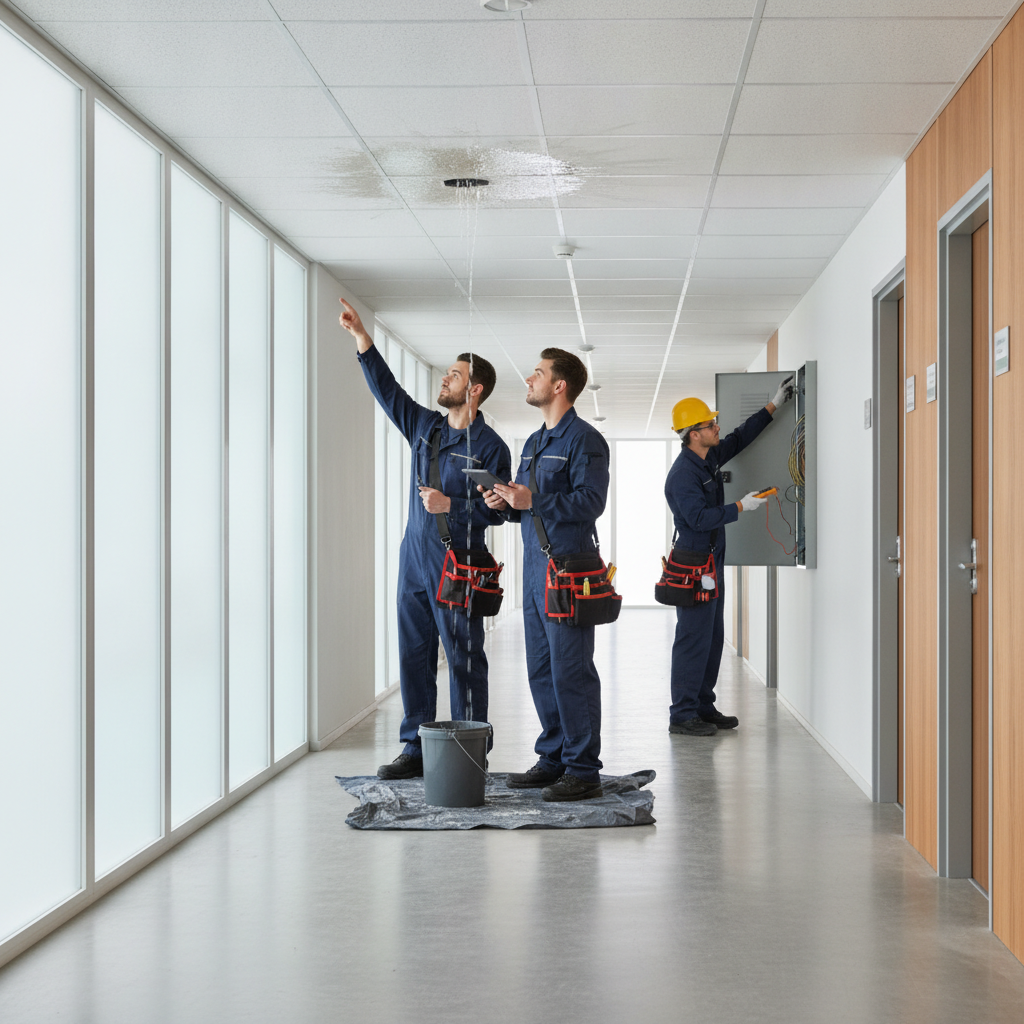
Emergency repair services for apartments are rapid-response actions that stabilize hazards like leaks, power faults, and structural damage in multi-unit buildings in London. They prioritize life safety, stop ongoing damage, and protect neighboring suites and common areas. For property managers, fast triage and clear communication reduce disruption, safeguard tenant trust, and keep turnover timelines on track.
By Amaruppdesh Singh • Last updated: 2026-06-30
Quick Summary and Table of Contents
This guide explains how to plan, mobilize, and execute emergency repair services for apartments. You’ll learn what qualifies as an emergency, the first-hour response sequence, stabilization methods, and how to transition into permanent restoration with minimal tenant disruption and reduced vacancies.
Use this complete, practical playbook to prepare your building team and partners for real-world events. It’s written for London property managers overseeing occupied, multi-unit communities who need predictable outcomes and tenant-first operations.
- What counts as an apartment emergency?
- Why rapid response matters in London
- How the emergency response works
- Common emergencies we stabilize
- Step-by-step: the first 60 minutes
- Approaches: stabilize vs restore vs upgrade
- Best practices for property managers
- Tools and vendor resources
- Case studies and examples
- Frequently Asked Questions
- Key takeaways
What Are Emergency Repair Services for Apartments?
Emergency repair services for apartments are time-sensitive interventions that remove immediate safety risks and prevent further property damage. Typical triggers include active leaks, electrical faults, structural hazards, and loss of essential services. The goal is rapid stabilization, clear documentation, and a safe transition to permanent repair.
In practice, emergency work focuses on stabilizing the scene. Teams isolate utilities, secure unsafe areas, contain water, and make temporary fixes that keep residents safe until full restoration is scheduled. Because apartments share walls and systems, a single event can affect multiple suites—speed and coordination matter.
- Safety first: Protect life and health by shutting down hazards (water, power, gas) and securing access.
- Stop ongoing damage: Contain water, shore up compromised areas, and remove immediate ignition or trip risks.
- Stabilize and document: Install temporary controls, photograph conditions, and communicate next steps to tenants.
- Plan restoration: Move from temporary measures to a scheduled scope for permanent repairs and finishes.
At Mahal Concrete and Constructions, this approach dovetails with our standardized finishes and turnover processes. After stabilization, we align the restoration scope with unit priorities—bathroom and kitchen remodelling, flooring and tiling, paint and repairs—so the final handover is predictable and consistent across your portfolio.
Why Emergency Apartment Repairs Matter in London
Fast, professional response limits secondary damage, reduces tenant displacement, and protects adjacent units. In multi-unit buildings, shared systems amplify risk; a single leak or fault can impact entire stacks. A clear plan preserves timelines for turnovers and maintains resident confidence.
Apartment buildings concentrate people and infrastructure. That density is efficient—until something fails. A supply line burst can travel between floors through chases and drywall; a tripped breaker can mask a deeper fault; a failed tub surround can send moisture behind tiles. Rapid action contains spread, which helps avoid larger remediation later.
- Containment window: Moisture can start enabling surface mold within 24–48 hours after saturation; acting fast matters.
- Stack effect: Water follows gravity through penetrations and chase spaces, turning one leak into a multi-unit issue.
- Tenant experience: Transparent updates and visible controls help residents feel safe and heard during disruptions.
We design our emergency stabilization to roll smoothly into permanent work. For example, when a shower valve fails, we stabilize the plumbing, then coordinate bathroom remodelling in rental units to restore finishes that stand up to high traffic.
How the Emergency Response Works
An effective apartment emergency response follows four stages: triage call, on-site stabilization, documentation and tenant communication, and scheduled restoration. Each stage has clear owners, checklists, and decision gates to minimize disruption and risk.
Our WSIB-compliant, fully insured team uses a structured flow that property managers can mirror internally. It’s built for occupied properties and portfolios where predictability is essential.
- Triage call: Confirm the hazard, advise shut-offs, collect photos/video, and dispatch the right trade.
- On-site stabilization: Isolate utilities, make temporary repairs, and secure unsafe areas.
- Documentation: Photograph conditions, label affected units/commons, and log materials used.
- Tenant communication: Provide timelines, quiet hours, and contact channels for updates.
- Scope planning: Align permanent repairs with standardized finishes and unit priorities.
- Restoration: Execute plumbing, electrical, structural, and finish work to completion.
For managers building their own readiness, see our emergency repair checklist for apartments and our overview of emergency stabilization in occupied properties.
Types of Apartment Emergencies We Stabilize
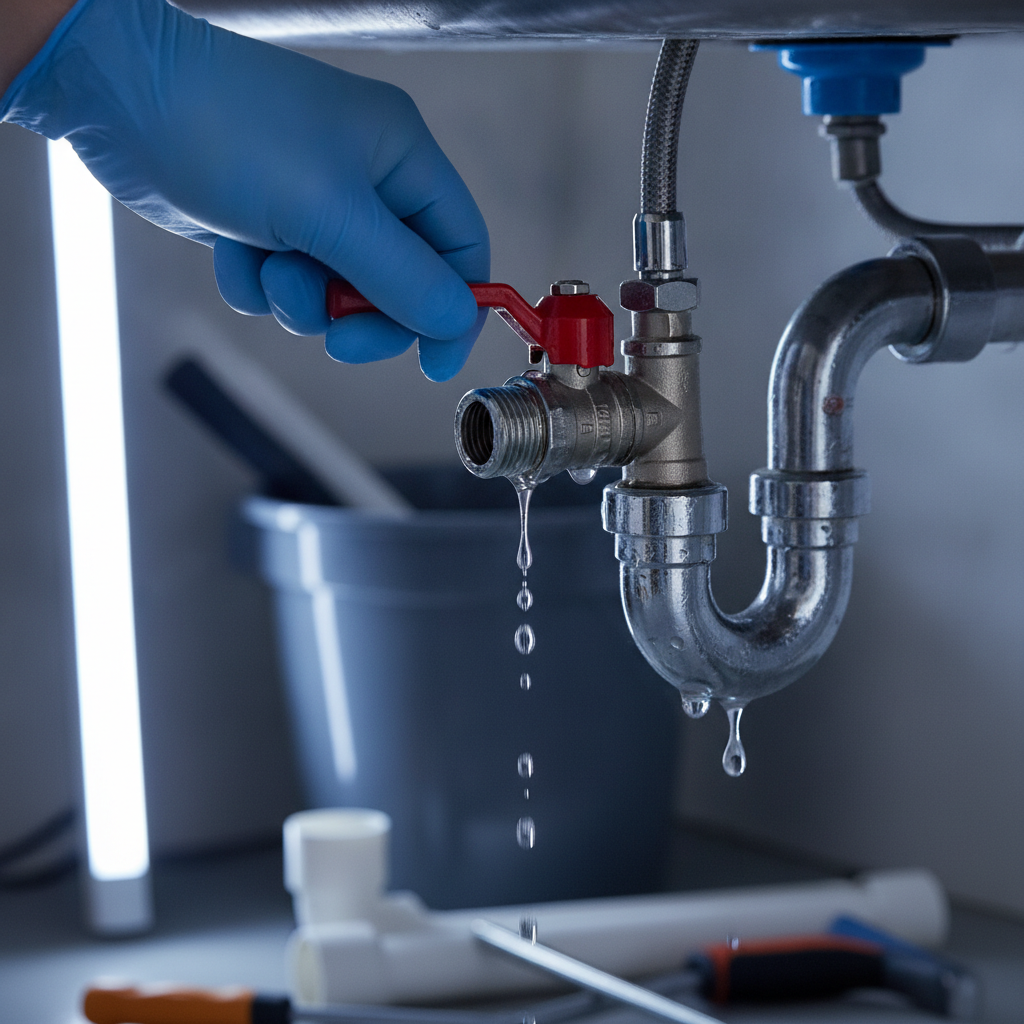
Most apartment emergencies fall into four categories: water and moisture events, electrical faults, structural and envelope issues, and life-safety impairments. Stabilization focuses on isolating the cause, protecting adjacent suites, and making the area safe until permanent repairs are scheduled.
Water leaks and floods
- Common sources: Supply lines, failed shut-offs, clogged drains, appliance hoses, and shower assemblies.
- Immediate actions: Close local/main valves, protect electrical, extract standing water, and set up air movement.
- Next steps: Open wet cavities for drying, replace compromised drywall, and plan durable finishes.
When bathrooms are involved, we often coordinate tile installation for apartment bathrooms and fixture refreshes during restoration for longer service life.
Electrical hazards
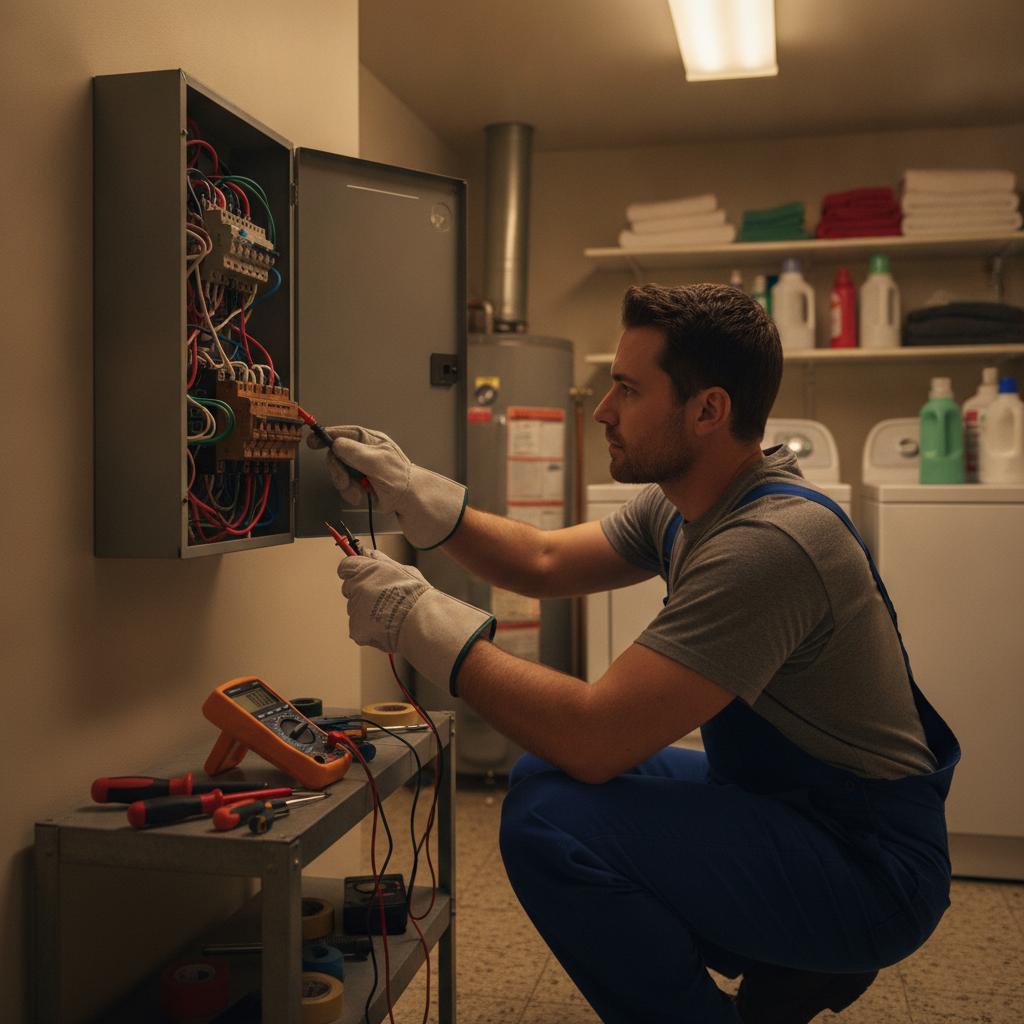
- Indicators: Repeated breaker trips, odor of overheated insulation, or visible water near receptacles.
- Immediate actions: De-energize affected circuits, verify with a meter, and isolate wet zones.
- Next steps: Inspect devices and conductors, replace compromised components, and relabel panels.
Panels in apartment suites commonly serve 15–20 amp lighting and receptacle circuits. After water events, we verify insulation integrity before re-energizing.
Structural and envelope issues
- Examples: Ceiling sag from prolonged leaks, damaged subfloor sections, or compromised balcony thresholds.
- Immediate actions: Shore sagging elements, set safety perimeters, and remove saturated materials.
- Next steps: Replace sheathing/substrate, verify fasteners/framing, and reinstate moisture barriers.
Life-safety impairments
- Examples: Fire door that won’t latch, blocked egress routes, or compromised guardrails.
- Immediate actions: Restore door function, clear pathways, and install temporary barriers.
- Next steps: Replace hardware, verify door closers, and document compliance checks.
Where a kitchen is affected, we can align restoration with a planned full kitchen renovation scope to install durable, tenant-pleasing finishes in one coordinated schedule.
Step-by-Step: The First 60 Minutes
The first hour determines how much damage spreads. Prioritize safety, isolate the source, protect adjacent units, and communicate with tenants. Document every action and tee up restoration tasks early so you can transition cleanly from temporary controls to permanent fixes.
- Confirm safety: Ask if anyone is in danger. If fire, gas, or medical issues exist, contact emergency services immediately.
- Shut it down: Close local water/gas valves; trip affected breakers if water is near electrics.
- Stabilize the scene: Place containment, buckets, or tarps; begin water extraction if safe.
- Notify impacted neighbors: Check units above/below and commons for spread.
- Capture evidence: Take photos/video of sources, affected materials, and meter readings.
- Dispatch by trade: Plumber, electrician, or carpenter as indicated; share photos and notes.
- Plan the handoff: Schedule drying, inspections, and the restoration window; brief tenants on timelines.
For a ready-to-use sequence, download our apartment emergency checklist. For broader readiness, align with this apartment repair and upgrade priorities guide.
Approaches: Stabilize vs Restore vs Upgrade
Choose between temporary stabilization, full restoration, and strategic upgrades based on risk, disruption, and long-term value. Stabilization buys time; restoration returns the unit to baseline; upgrades improve durability and tenant appeal with standardized finishes.
| Approach | Primary Goal | When to Choose | Typical Actions | Pros | Trade-Offs |
|---|---|---|---|---|---|
| Stabilize | Eliminate immediate risk | Active leaks, unsafe electrics, sagging ceilings | Shut-offs, temp patches, barriers, dewatering | Fast risk reduction | Short-term, may require rework |
| Restore | Return to pre-loss function | Damage contained; tenant impact manageable | Replace drywall, fixtures, floor sections, repaint | Back to service quickly | Doesn’t improve baseline durability |
| Upgrade | Increase durability and appeal | Repeat-issue zones; unit near turnover | Moisture-resistant tile, solid-surface tops, LVP | Lower future calls; stronger leasing | Requires scheduling with stakeholders |
In our experience, aligning restoration with upcoming turnover is efficient. For example, pairing drying and wall repairs with full unit turnover tasks reduces repeat entries and speeds final handover.
Best Practices for Property Managers
Prepared buildings recover faster. Maintain shut-off maps, keep stocked kits, and pre-approve vendors. Standardize finishes and documentation so multiple teams can deliver identical results with minimal supervision across your portfolio.
Readiness and prevention
- Shut-off literacy: Label and test local stop valves and breakers during inspections.
- Kitted response: Stock water extraction tools, plastic sheeting, PPE, and signage in accessible locations.
- Document spaces: Maintain current photos of typical wall/ceiling assemblies for faster scoping.
Standardize to scale
- Finishes: Use repeatable tile, paint, and flooring SKUs for predictable scheduling and supply.
- Checklists: Adopt shared stabilization and handover checklists building-wide.
- Communication: Train staff on concise tenant updates and expected timelines.
Local considerations for London
- Plan for freeze–thaw seasons; inspect exterior penetrations and caulking before colder months.
- Coordinate emergency work windows to respect quiet hours in dense, multi-unit settings.
- Pre-stage wet-vac and air movers for buildings with recurring moisture in lower levels.
For safety and risk transfer, work with a fully insured, WSIB-compliant contractor that documents every step. That record is invaluable when coordinating with stakeholders and insurers.
Tools, Materials, and Vendor Resources
The right tools speed containment and shorten downtime. Keep shut-off keys, moisture meters, air movers, dehumidifiers, and non-contact voltage testers available. Pre-qualify plumbers, electricians, and general contractors for after-hours calls.
- Core equipment: Wet/dry vacuums, axial fans, dehumidifiers, tarp and poly sheeting, temporary lighting.
- Diagnostics: Moisture meters, IR thermometers, non-contact voltage testers, and circuit tracers.
- Trade partners: Maintain on-call coverage with clear SLAs and photo documentation requirements.
For practical water-response tips you can share with on-site staff, review these step-by-step primers on managing a plumbing emergency and escalation thresholds for calling a licensed professional. Helpful primers include how to manage a plumbing emergency, when you need an emergency plumber, and guidance on water main emergency response.
Case Studies and Examples
Real scenarios show how standardization, quick triage, and coordinated restoration reduce downtime. These examples reflect common multi-unit issues and how we integrated stabilization with durable, portfolio-friendly finishes to improve long-term performance.
Stack leak affecting three kitchens
- Trigger: Failed dishwasher hose on level five spread through penetrations to two units below.
- Stabilization: Shut-offs, immediate extraction, opened chase access, and protected electrics.
- Restoration: Coordinated kitchen renovation tasks with new LVP and standardized cabinet fronts.
Shower assembly failure in a tenant-occupied suite
- Trigger: Valve body leak behind tile with slow saturation of backer board.
- Stabilization: Isolated supply, removed wet materials, and set drying equipment.
- Restoration: New tile and waterproofing aligned with our bathroom tile standards.
Electrical odor reported in corridor
- Trigger: Water intrusion from a mechanical room affected a corridor device box.
- Stabilization: De-energized circuits, opened the device box, and inspected conductors.
- Restoration: Replaced compromised components and documented the panel schedule.
When events coincide with vacancy, we often combine emergency restoration with pre-turnover inspections and painting to deliver a stronger final handover.
Need a rapid stabilization plan? Our team mobilizes quickly and documents every step. Explore our approach to emergency stabilization in occupied properties and request a same-day assessment.
Frequently Asked Questions
These answers cover the most common questions property managers ask about emergency repair services for apartments in London. Use them to brief staff, set expectations with tenants, and prepare for after-hours calls.
What qualifies as an apartment emergency?
An emergency is any issue that threatens life safety or causes active property damage. Examples include burst pipes, electrical faults, structural sagging, blocked egress, or loss of essential services. If risk is immediate, stabilize first, then plan permanent repairs.
How quickly should I respond to a leak?
Immediately. Shut off the nearest valve, protect electricity, and start containment. Notify neighboring units above and below to check for spread. Begin documentation with photos and call your pre-qualified vendor for on-site stabilization.
Can tenants stay in the unit during emergency work?
It depends on the hazard and extent of the affected area. For isolated issues with safe utilities and clear egress, tenants often remain with temporary controls in place. For structural, electrical, or widespread moisture, temporary relocation may be needed for safety.
What happens after stabilization?
After temporary controls are in place, we scope permanent repairs. That may include drywall replacement, tile work, floor sections, painting, and fixture swaps. We align with your finish standards to ensure consistency across units and schedule work to minimize disruption.
How do I prepare my building team?
Maintain shut-off maps, label critical valves and breakers, stock response kits, and create a call tree for after-hours issues. Share checklists and photos of typical assemblies. Pre-approve vendors and require photo documentation during every response.
Key Takeaways
Stabilize hazards fast, protect neighbors, and transition into standardized restoration. Prepared teams with mapped shut-offs, stocked kits, and pre-qualified vendors resolve most apartment emergencies with less disruption and stronger tenant confidence.
- Emergency repair services for apartments are about safety, containment, and a clean handoff to restoration.
- Shared systems mean issues spread; check above, below, and adjacent spaces early.
- Standardized finishes make multi-unit restoration faster and more predictable.
- Documentation and clear tenant updates reduce anxiety and complaints.
Conclusion and Next Steps
Apartment emergencies demand structured action: triage, stabilize, document, and restore. When you standardize finishes and checklists across your buildings, you shorten downtime, reduce vacancies, and deliver consistent results tenants notice.
Operating in London, we’ve built our emergency playbook around occupied, multi-unit realities—quiet hours, shared infrastructure, and portfolio standards. If you need a partner to stabilize incidents and hand back move-in-ready spaces, our team can help coordinate plumbing, electrical, structural, and finish work end-to-end.
Start by reviewing our apartment renovation planning checklist and our approach to emergency stabilization, then schedule a building walk to map shut-offs and readiness gaps.