
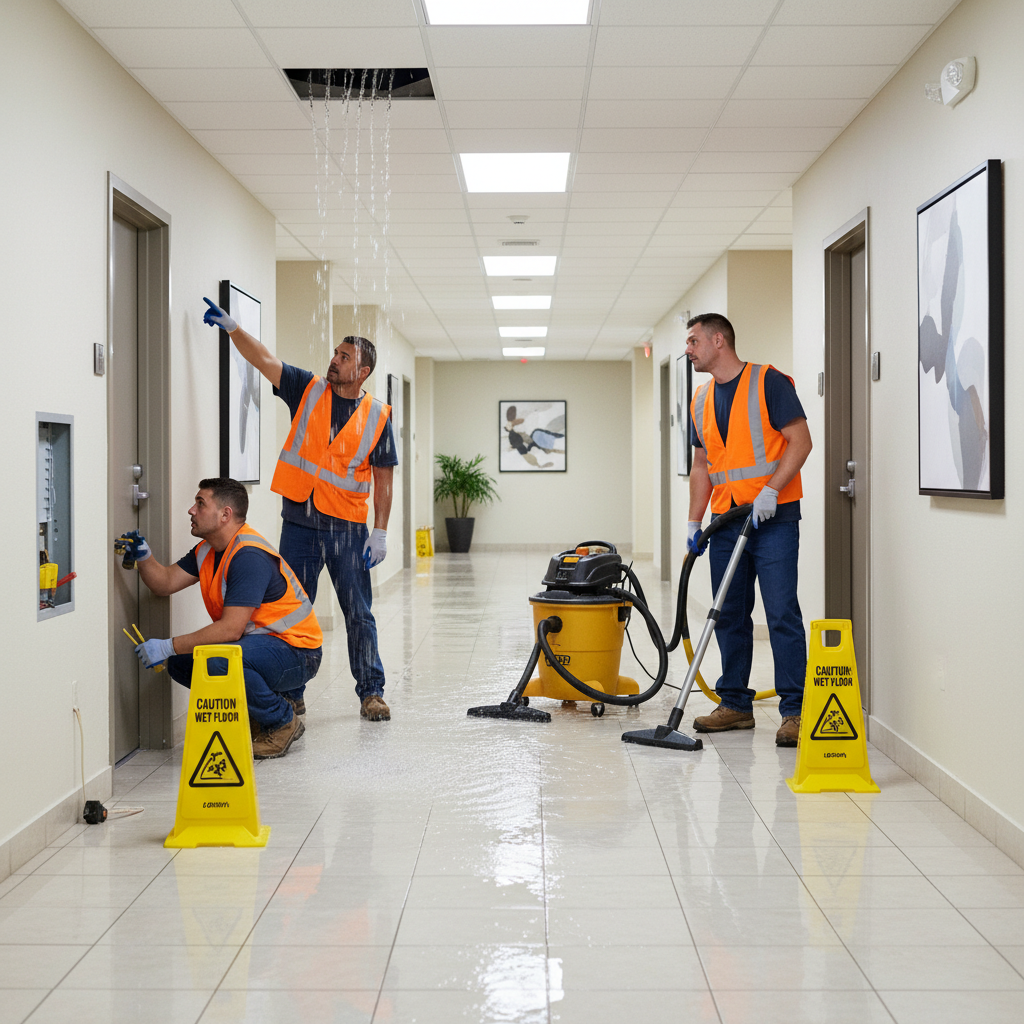
An emergency repair checklist for apartment buildings is a prioritized, step-by-step plan to stabilize hazards, protect residents, and prevent property damage. For London, ON property managers partnering with Mahal Concrete and Constructions, it clarifies immediate actions for water, fire, power, gas, elevator, winter, and structural issues so teams move fast, stay safe, and document every decision.
By Mahal Concrete and Constructions • Last updated: 2026-05-31
Summary
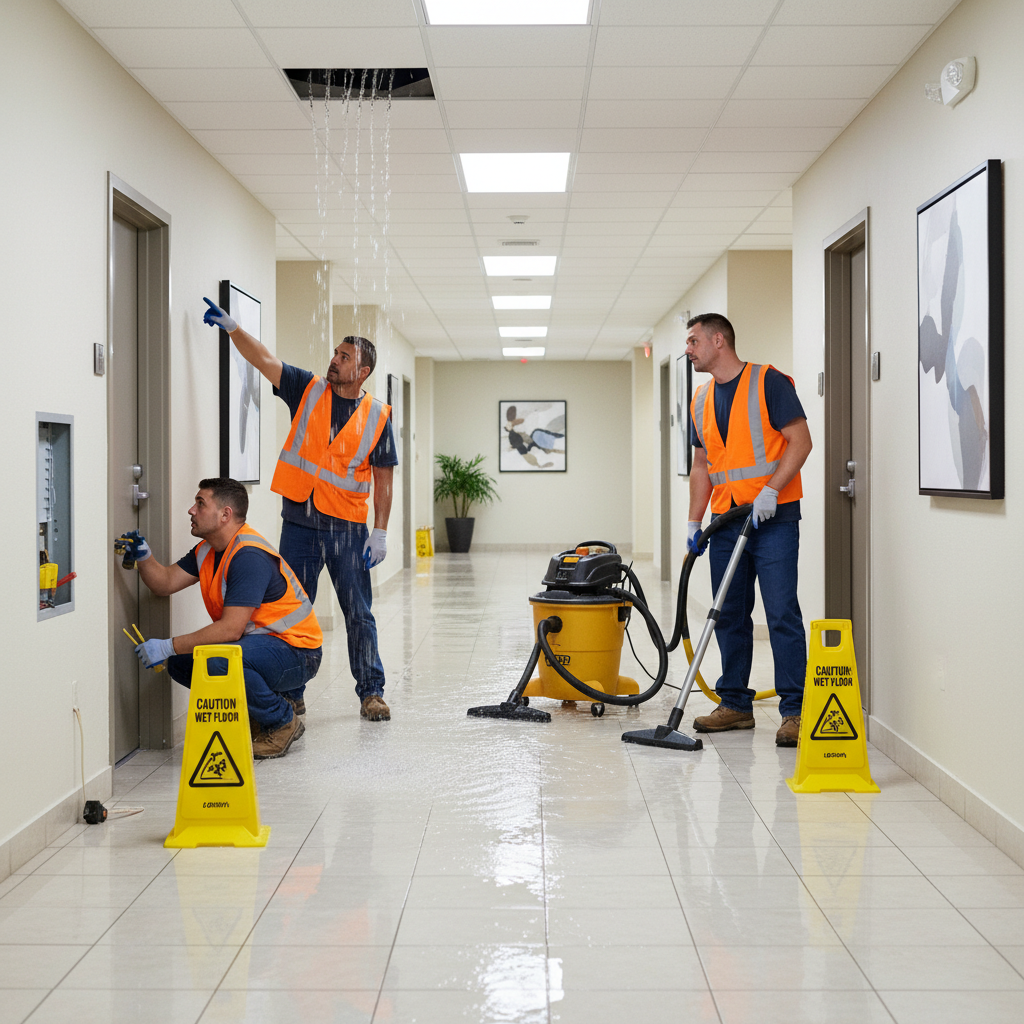
This guide delivers a practical emergency repair checklist for apartment buildings. You’ll get fast, repeatable steps, ready-to-print lists, vendor coordination tips, and documentation standards. It’s built for multi-unit properties in London, ON and optimized for occupied buildings where safety, speed, and minimal disruption are non-negotiable.
Here’s what you’ll learn and be able to use today:
- 10-point emergency repair checklist tailored to apartment operations
- Clear first moves for common incidents (leaks, smoke, power, gas, elevators)
- How to organize staff, vendors, and residents in the first hour
- Documentation, photos, and incident logs managers actually use
- Equipment and supplies to stage on-site for faster stabilization
- Comparison of in-house, on-call trades, and a specialized multi-unit contractor
Use the table of contents to jump to what you need, or read end-to-end for a complete program.
What is an emergency repair checklist?
An emergency repair checklist for apartment buildings is a standardized sequence of actions that any on-duty staff can follow to stabilize hazards, notify stakeholders, and document the event. It turns chaotic situations into clear steps so managers protect residents and assets while keeping operations compliant and organized.
Emergency events are rare but high-impact. Clear procedures reduce confusion when every minute counts. A good checklist is short, specific, and role-based. It highlights shutoffs, communications, and handoffs—then pairs each action with a proof-of-completion (photo, timestamp, or sign-off).
- Purpose: Stabilize risks fast and consistently across buildings.
- Scope: Water intrusion, smoke/fire, power loss, gas odors, elevator outages, winter freeze-ups, sewage backups, roof failures, structural hazards, and vandalism.
- Users: Superintendents, maintenance techs, on-call coordinators, and property managers.
- Format: One-page quick steps plus detailed appendices and vendor call trees.
Our team at Mahal Concrete and Constructions structures checklists to mirror real multi-unit workflows—unit, floor, then building—so staff execute safely in occupied environments.
Why it matters for apartment buildings in London, ON
London, ON multi-unit properties face cold winters, freeze-thaw cycles, and occupancy constraints. A building-specific emergency repair checklist ensures faster shutoffs, safer evacuations, and cleaner handoffs to vendors—reducing vacancy risk and resident impact across portfolios in Southwest Ontario.
Weather swings add stress to aging assets. Frozen risers, wind-driven roof leaks, and icy entrances can escalate quickly in dense buildings. Meanwhile, many operations are partially occupied during work. That means you need disciplined sequencing, clear signage, and tenant-friendly timing.
- Occupied property focus: Procedures prioritize egress, signage, and dust/noise control.
- Portfolio consistency: Standard formats reduce training time across multiple sites.
- Insurance and safety: WSIB-aligned steps, stop-work triggers, and incident documentation support compliance and claims.
Local considerations for London
- Stage winterization kits by November and rehearse shutoff drills before the first deep freeze to reduce burst-riser risk.
- Plan roof checks after major wind or thaw events; schedule follow-up patching windows when weather is workable to prevent recurring intrusion.
- Coordinate hallway containment and quiet hours for occupied floors; communicate door-to-door before intrusive repairs to maintain resident trust.
How the checklist works in practice
The best emergency checklists compress the first hour into four loops: assess and make safe, isolate energy/water, notify and evacuate as needed, then hand off with notes and photos. Tight loops prevent drift, speed decisions, and produce reliable documentation for managers and insurers.
In our experience across 500+ multi-unit projects, the difference between a near-miss and a major incident is clarity in the first 15 minutes. Here’s a proven operating rhythm you can adapt building-by-building.
- Assess and secure: Don PPE, confirm life safety, and set a perimeter (cones/signs).
- Isolate the source: Water, power, gas, or elevator—shut off at the nearest control that restores safety without over-disrupting tenants.
- Communicate: Notify your on-call lead, building manager, and, if needed, residents on the affected floors.
- Stabilize: Wet vacs, fans, temporary patches, and lockouts to hold the line until the trade arrives.
- Document: Time-stamped photos, control locations used, and any resident impact.
- Vendor handoff: Provide notes, access instructions, and constraints for occupied areas.
- Restore and verify: Re-energize and remove controls only after checks pass.
We pair this loop with unit-floor-building checklists so techs can scale response while managers coordinate external trades and communicate with residents.
The 10-point emergency repair checklist
Use this 10-point emergency repair checklist for apartment buildings to guide the first hour: make safe, isolate, communicate, stabilize, document, coordinate trades, protect egress, verify containment, update stakeholders, and schedule follow-up. Print it, laminate it, and stage it with your shutoff maps.
- Life safety first: PPE on, confirm evacuation needs, and secure the area.
- Identify the hazard: Water, smoke, power, gas, elevator, winter, sewage, roof, structure, or vandalism.
- Shutoff/isolate: Close nearest valve, breaker, or gas cock; post lockout/tagout as needed.
- Notify chain: On-call lead, property manager, and residents on impacted floors.
- Initial stabilization: Wet vacs, fans, tarps, patching, or shoring to control spread.
- Protect egress: Keep exits, stairs, and elevators safe and signed.
- Containment: Set barriers for water/smoke; plan negative air if required.
- Vendor dispatch: Call pre-approved trades; provide scope, access, and constraints.
- Document: Photos, times, shutoffs used, units affected, and resident impact.
- Follow-up: Schedule remediation, inspections, and quality checks prior to handover.
We align follow-up work with our unit handover quality checks and, if needed, our full unit turnover process so damaged suites come back move-in-ready.
Types of apartment emergencies and first moves
Apartment emergencies cluster into water, fire/smoke, power, gas, elevator, winter, sewage, roof, structural, and vandalism. The first move is always life safety, then the nearest safe isolation point. Clear containment and fast vendor dispatch prevent spread and shorten recovery windows.
Water leak or burst pipe
- Isolate at fixture, unit, floor, or building main—whichever contains damage fastest without unnecessary disruption.
- Deploy wet vacs and air movers; pull baseboards to check hidden moisture.
- Photograph affected areas, including ceilings below for multi-floor events.
For additional plumbing response tips, see guidance from Everest Plumbing on managing in-progress leaks and access.
Smoke or fire indicator
- Trigger evacuation if needed; do not re-energize affected circuits until inspected.
- Ventilate smoke cautiously; avoid drawing it into occupied hallways.
- Document alarms, panel messages, and any suppression activation.
Power outage or electrical hazard
- Check panel/breaker levels; lockout/tag if there’s an active hazard.
- Post signage on affected floors; protect egress with temporary lighting.
- Coordinate with a licensed electrician for inspection and restoration.
For context on emergency electrical mobilization, this overview explains typical response sequencing and safety staging.
Gas odor or suspected leak
- Evacuate the immediate area; do not operate switches or devices.
- Isolate at the nearest safe shutoff; ventilate only if directed by responders.
- Contact utility provider and record meter/shutoff details.
Elevator entrapment or outage
- Call elevator service; do not attempt self-rescue.
- Communicate with trapped occupants to reduce panic; maintain logs.
- Control traffic around doors and machinery spaces.
Winter freeze-ups
- Thaw with controlled heat sources; never use open flames.
- Open cabinets and run trickles in cold zones to reduce refreeze risk.
- Plan insulation and sealing as part of the follow-up scope.
Sewage backup
- Isolate and prevent cross-contamination; set clear exclusion zones.
- Use appropriate PPE and sanitation protocols; track all impacted surfaces.
- Coordinate professional remediation and odor control.
Roof leak or envelope failure
- Place catchments and tarps; protect electrical and elevator equipment.
- Trace intrusion paths through chases; inspect below floors for spread.
- Schedule exterior patching as soon as weather allows.
Structural crack or impact
- Evacuate the immediate zone; install temporary shoring only by qualified personnel.
- Photograph and mark extents; note sounds, deflection, or debris.
- Coordinate structural assessment and controlled access.
When leaks involve main lines or water services, this primer outlines typical isolation and restoration considerations for coordinators.
Tools, supplies, and vendor readiness
Staging the right tools and vendor contacts on-site cuts response time dramatically. Build go-kits for water, power, and envelope events, plus a laminated vendor tree with after-hours numbers. Pre-authorization and access planning keep trades effective in occupied buildings.
- Water kits: Wet vacs, squeegees, air movers, heavy-duty trash bags, tarps, and moisture meters.
- Electrical safety: Lockout/tagout sets, non-contact voltage testers, and temporary lighting.
- Envelope/roof: Tarps, patch kits, fasteners, and masonry/caulk assortments.
- PPE: Nitrile gloves, eye protection, N95s, high-visibility vests, and slip-resistant footwear.
- Documentation: Clipboard forms, QR codes to digital incident logs, and disposable camera backup.
- Access: Master keys, fobs, elevator permissions, and parking instructions for trades.
We integrate emergency readiness with long-term upgrades. After stabilization, we frequently bundle remediation within our apartment renovation planning and quality control frameworks to return spaces to move-in-ready condition.
In-house vs on-call vs specialized contractor
In-house teams move fastest for small incidents, on-call trades cover licensed tasks, and a specialized multi-unit contractor coordinates complex, multi-trade events. The best programs combine all three with clear triggers for when to escalate and who owns the handoff.
| Approach | Best for | Strengths | Limitations | Escalate when… |
|---|---|---|---|---|
| In-house maintenance | Minor leaks, resets, temporary containment | Fast access, site familiarity | Licensing limits, bandwidth | Multiple units impacted or life-safety systems affected |
| On-call licensed trades | Electrical/gas work, elevator service, mainline plumbing | Code compliance, specialized tools | Coordination gaps across multiple trades | When concurrent issues and tenant impact require a general contractor |
| Specialized multi-unit contractor | Multi-trade, multi-floor events in occupied buildings | Coordinated scopes, safety protocols, portfolio consistency | Requires clear scopes and access | When restoration and handover must align to portfolio standards |
As a specialized London contractor, Mahal synchronizes trades, documentation, and resident communication—critical when incidents span units and floors.
Best practices and documentation standards
Great emergency programs rely on short, specific steps, visible ownership, and crisp documentation. Photograph the scene, record every control you touch, log timestamps, and capture resident impact. Handoffs to trades should include what’s safe, what’s isolated, and what’s still evolving.
- Short, role-based checklists: One side of a page per role beats binders nobody can carry.
- Time-stamped photos: Before/after angles, control panels, valves, and affected finishes.
- Incident logs: Unit/floor, isolation points used, notifications sent, and any tenant accommodations.
- Vendor scopes: Clear access constraints and quiet hours for occupied floors.
- Follow-up plan: Remediation actions mapped to turnover standards or code-driven upgrades if required.
We close out with a documented walkthrough. If interior finishes were opened up, our quality checklist ensures paint, flooring, and tile repairs meet portfolio standards.
Mini case studies (London multi-unit scenarios)
These brief scenarios show how a structured checklist shortens downtime and reduces resident impact. Each one reflects occupied-building constraints common across London, ON portfolios and the practical handoffs between maintenance, trades, and a coordinating contractor.
Scenario 1: Stacked kitchen leak across two floors
- Trigger: Ceiling drip in a second-floor kitchen; third-floor unit reports running dishwasher.
- First moves: Isolate at third-floor angle stop; place catchment and wet vac below.
- Stabilization: Baseboard removal and air movers; document hidden moisture.
- Follow-up: Cabinet and countertop patch/replace via our remodel workflow.
Scenario 2: Wind-driven roof intrusion
- Trigger: After a thaw and wind event, top-floor hallway shows staining and drips.
- First moves: Tarps and buckets; protect electrical near the elevator head.
- Stabilization: Temporary patch; schedule exterior patching next workable window.
- Follow-up: Paint and drywall via our handover standards.
Scenario 3: Elevator outage with entrapment
- Trigger: Car stops between floors with two residents inside.
- First moves: Call elevator service; communicate with occupants; control hallway access.
- Stabilization: Keep egress clear; place temporary lighting until service arrival.
- Follow-up: Resident communication and incident log with times and vendor notes.

Need a structured after-hours plan? Our WSIB-compliant team coordinates stabilization, remediation, and handover—even in occupied buildings. Let’s align your checklist with your portfolio standards.
Request a walkthrough with Mahal Concrete and Constructions.
Frequently Asked Questions
Property managers ask about scope, training, resident communications, and restoration timelines. The short answers: keep checklists short, drill quarterly, post clear notices, and tie remediation to portfolio standards so units return to move-in-ready condition with minimal vacancy.
What belongs in an emergency repair checklist for apartment buildings?
Include life-safety steps, nearest shutoffs, who to notify, initial stabilization actions, documentation requirements, and vendor call trees. Keep it one page per role with clear triggers for escalation. Add a map of control locations and laminate copies near panels and mechanical rooms.
How often should we run drills?
Quarterly is a practical cadence for most multi-unit teams. Rehearse water isolation, power shutoffs, and vendor notifications. Keep a drill log with times to find valves and panels, then improve signage and access based on what slowed you down.
Who should lead communications during an incident?
Assign one coordinator to manage updates to residents, vendors, and ownership. That person tracks impact, documents decisions, and prevents mixed messages. Post brief, plain-language notices at entrances and send floor-specific updates as conditions change.
How do we tie stabilization to full restoration?
Use a handoff package: photos, isolation points used, units affected, and resident notes. Then align remediation with portfolio standards for paint, flooring, tile, cabinets, and countertops so units come back consistent. Our team integrates this within turnover workflows.
Key takeaways
Print the checklist, stage your tools, and pre-authorize vendors. Drill quarterly. During incidents, isolate quickly, communicate clearly, document thoroughly, and escalate when impacts span floors or trades. Align restoration with your portfolio standards to reduce vacancy and preserve resident trust.
- Short, role-based checklists beat long manuals.
- Nearest safe isolation point always comes first.
- One coordinator prevents mixed messages.
- Documentation drives better insurance and restoration outcomes.
- Use a specialized multi-unit contractor when events span trades/floors.