
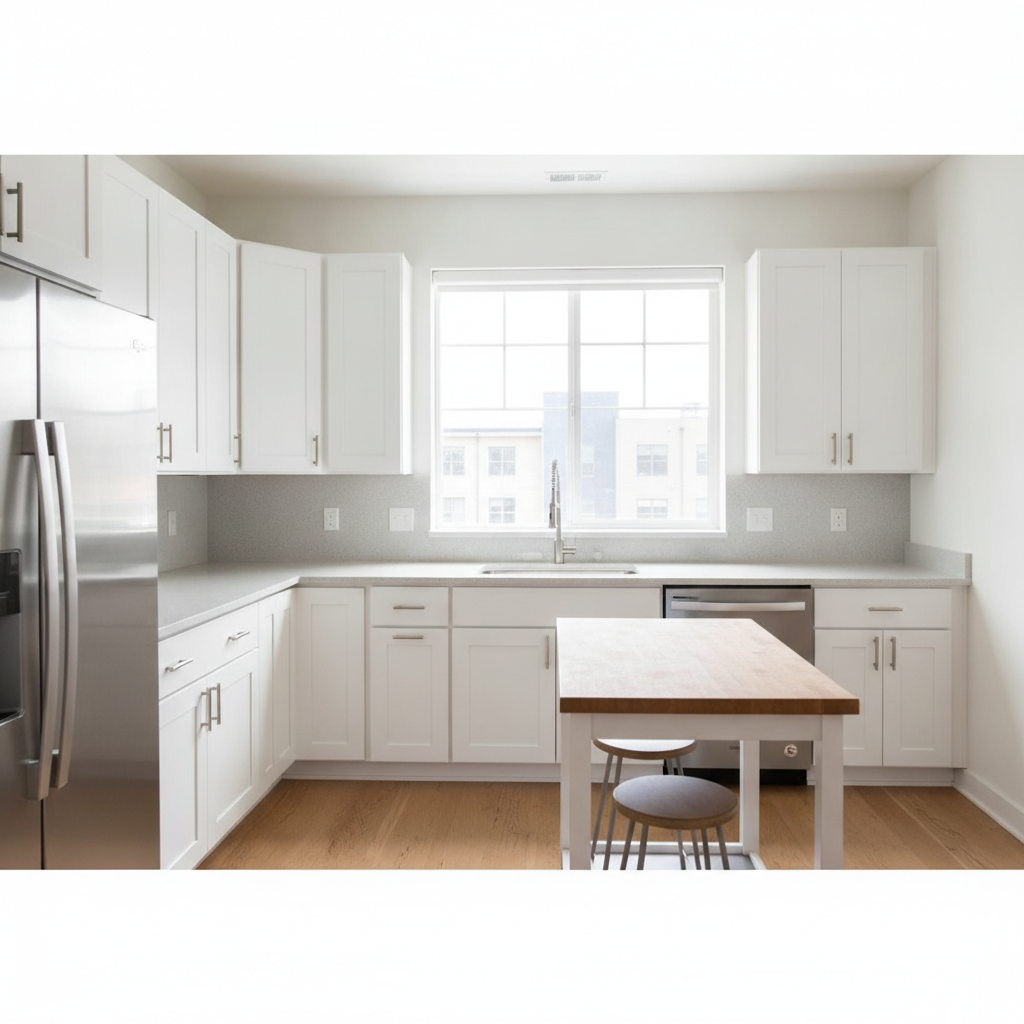
Kitchen cabinet replacements for apartments are a defined, repeatable upgrade that swaps worn boxes and doors for durable, standardized systems. In London, ON, our team at 805 Chelton Rd plans and installs replacements that shorten turnovers, reduce maintenance tickets, and elevate listing photos—ideal for property managers running multi-unit portfolios.
By Mahal Concrete and Constructions • Last updated: June 12, 2026
Above-Fold: Hook & Table of Contents
Apartment cabinet replacement is the fastest, highest-visibility kitchen upgrade for rentals. A standardized package—boxes, doors, hardware—delivers uniform, durable results at scale. Use a structured process to fit turnovers, minimize disruption, and document SKUs for easy future repairs across your building or portfolio.
In this complete guide, we combine field experience from 500+ projects with a standardized, safety-first process built for occupied properties. You’ll find steps, specs, checklists, and examples tailored to apartment buildings and multi-property portfolios.
- What is cabinet replacement?
- Why it matters for apartments
- How the process works
- Types and approaches
- Best practices
- Tools and resources
- London, ON rollout considerations
- Case examples
- Replacement vs. refacing vs. repaint
- FAQ
- Key takeaways
- Conclusion & next steps
Quick Summary
If your units show cabinet wear, choose a portfolio-standard cabinet package and implement it through a five-phase workflow. Expect predictable timelines, consistent finishes, and lower maintenance. Document SKUs per unit so a single door, drawer front, or hinge can be replaced fast without guesswork.
- Primary goal: refresh kitchens fast, reduce vacancy time, and unify finishes.
- Best fit: full unit turnovers and portfolios with inconsistent cabinets.
- Core choices: full replacement, refacing, or targeted hardware/front swaps.
- Durability: laminate and thermofoil fronts; soft-close, adjustable hinges.
- Quality control: plumb/level bases, consistent reveals, stud anchoring.
What Is Kitchen Cabinet Replacement for Apartments?
Cabinet replacement for apartments removes existing boxes, doors, and hardware, then installs standardized, durable systems that clean easily and look consistent across units. The outcome is a move-in-ready kitchen that photographs well, supports faster leasing, and reduces future maintenance complexity.
In multi-unit buildings, “replacement” goes beyond swapping parts. It’s a spec-driven system that balances appearance, durability, and cleanability. Our apartment-focused scopes often include alignment of boxes, door and drawer reveals, updated pulls, and soft-close hardware that survives daily tenant use.
- Scope elements: demo and disposal, layout verification, installation and alignment, caulking and sealing, surface protection, cleanup, and documented signoff.
- Turnover window: measured in days for single units; stack scheduling for multi-unit runs.
- Quality markers: square cabinets, consistent gaps, quiet hinges, firm anchoring at studs, sealed penetrations.
- Portfolio value: repeatable SKUs and finishes simplify future repairs and reorders.
For apartment owners balancing speed and standards, a cabinet package becomes a true operations asset—one your maintenance team understands and your leasing team can market with confidence.
Why Kitchen Cabinet Replacements Matter in Apartments
Cabinets shape first impressions in showings and virtual tours. Durable replacements lift perceived care, lower maintenance tickets for loose doors or failing hinges, and speed make-ready cycles. For portfolios, a single standardized spec compounds savings across dozens of future turnovers.
Here’s the thing: kitchens sell the unit. When doors hang unevenly or finishes chip, prospects assume broader neglect. Standardized replacements reverse that signal fast. They also reduce decision fatigue for managers who juggle many units and schedules.
- Leasing advantage: upgraded kitchens improve photos, tours, and application rates.
- Operations: predictable install windows align to turnover workflows and quiet hours.
- Lifecycle: standardized parts simplify stocking and limit out-of-service time.
- Compliance: choose low-VOC finishes and protect work areas in occupied properties.
In our experience across 500+ unit scopes, cabinet replacements consistently rank as a top three visual upgrade for reducing vacancy time alongside clean flooring and fresh paint.
How the Process Works (Step-by-Step)
A five-phase workflow—assessment, proposal and schedule, procurement, installation, and handover—keeps occupied buildings safe and timelines predictable. Clear milestones, photos, and SKU documentation reduce surprises and speed maintenance long after the install is complete.
- Site assessment and scope finalization: verify measurements, photograph conditions, note plumbing or appliance constraints, and confirm any layout tweaks.
- Detailed proposal and timeline planning: lock finishes, pulls, hinges, filler pieces, and sequence by floor/stack; coordinate quiet hours and access.
- Procurement and staging: order standardized SKUs; stage boxes, doors, and hardware to support uninterrupted multi-unit runs.
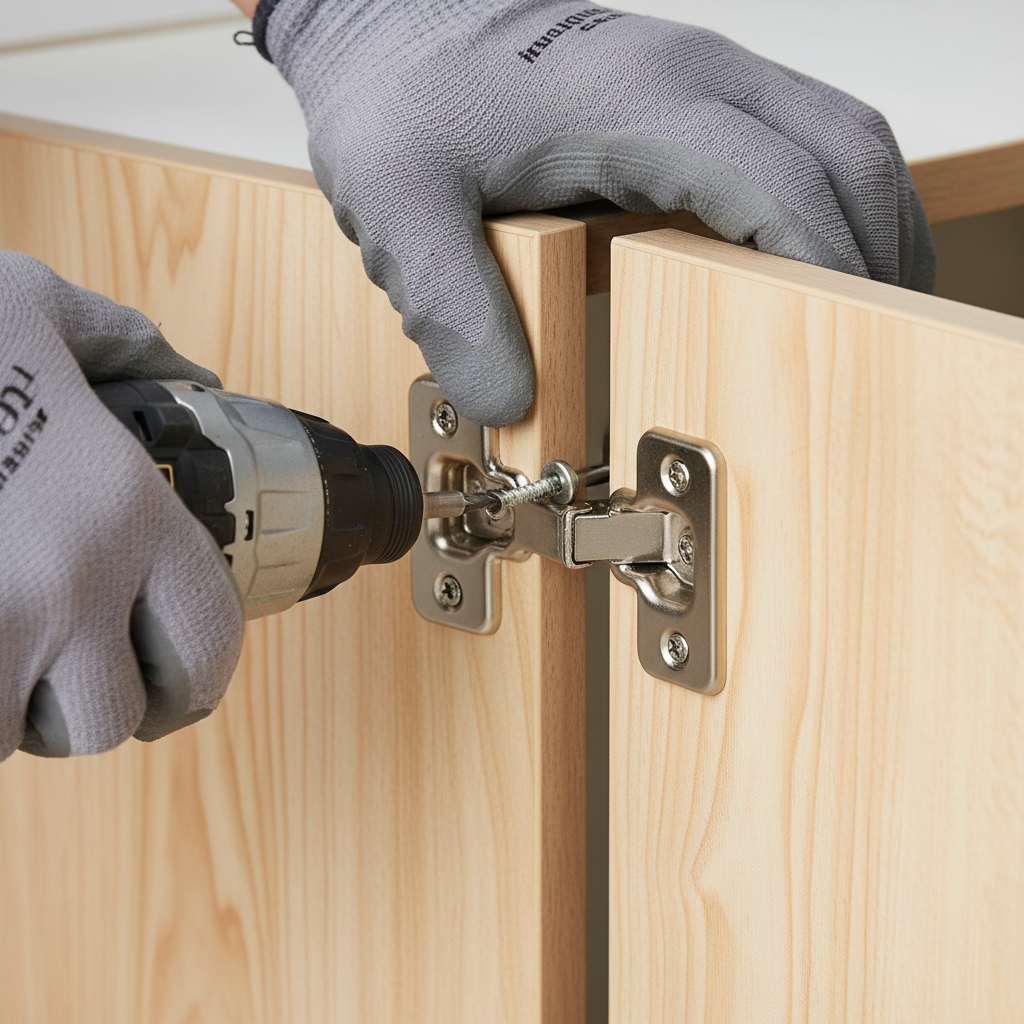
- Scheduled execution with minimal disruption: demo and disposal with dust control; set and level bases; secure to studs; hang and adjust doors/drawers; caulk and clean.
- Quality check and final handover: punchlist resolution, photo documentation, SKU logging, and handoff to property manager and maintenance.
Want a deeper look at sequencing? We break down turnover pacing and dependencies in our kitchen remodel timelines guide, including strategies to keep cleaners and installers moving without stepping on each other’s toes.
Types and Approaches You Can Use
Apartments typically choose among full replacement, refacing, or selective upgrades. Use full replacement for water-damaged or out-of-square boxes, refacing for sound boxes with dated doors, and selective swaps when hardware or fronts are the main issue. Stock SKUs accelerate timelines; semi-custom solves odd sizes.
Full cabinet replacement
- When: boxes are damaged, out-of-square, or you’re reworking layout for better storage.
- Benefits: clean slate, updated clearances, and consistent operation across units.
- Example: We’ve replaced boxes in heavy-wear student rentals, standardizing height and depth to align with new appliance packages.
Cabinet refacing
- When: boxes are structurally sound but doors and fronts look dated.
- Benefits: improves appearance quickly with less disruption to plumbing or flooring.
- Example: In a 12-unit building, we refaced to a unified shaker style, added soft-close hinges, and logged SKUs for each unit.
Selective swaps (fronts, hinges, pulls)
- When: hinges squeak, doors misalign, or hardware is mismatched across units.
- Benefits: quick wins during short vacancies; aligns looks without full demo.
- Example: Portfolio-wide pull replacements and hinge upgrades improved consistency across three buildings managed by one team.
For scope alignment with countertop decisions, see our internal guide on apartment countertop replacement—pairing decisions avoid rework.
Best Practices for Multi-Unit Rollouts
Limit choice and increase speed. Define one to three cabinet packages with specific SKUs, hinge types, and pulls. Protect paths, respect quiet hours, and document each unit with photos and part numbers. Use stud anchoring, laser leveling, and consistent reveals for long-term performance.
- Standardize: keep a small palette of doors, pulls, and hinge models that your team can stock and your crews can install repeatedly.
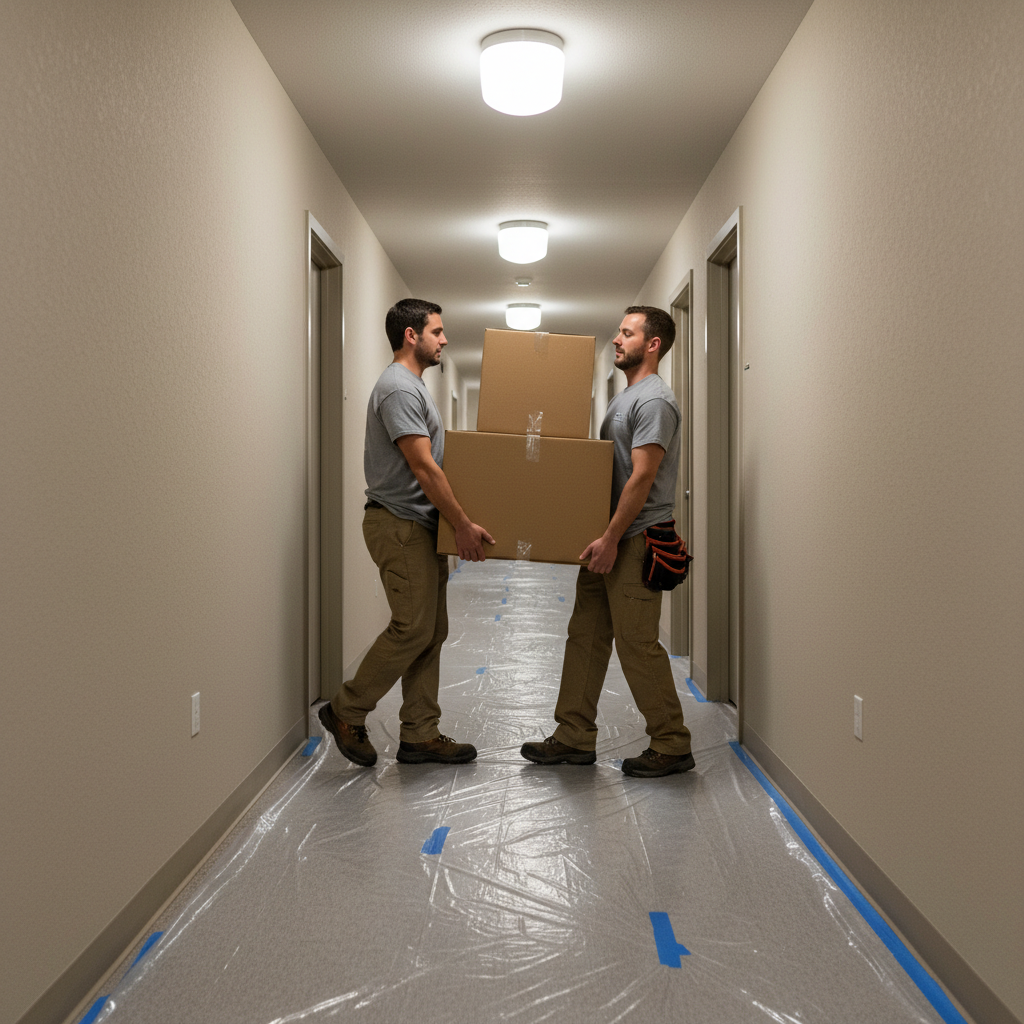
- Protect: use temporary floor guards and door jamb protection through occupied corridors.
- Sequence: schedule stack-by-stack to reduce elevator conflicts and material handling time.
- Verify: laser-level bases; shim to plumb/level; fasten to studs at prescribed intervals; confirm door gaps visually and by feel.
- Document: take finish photos; log SKUs, hinge models, and batch numbers per unit to speed future repairs.
These practices mirror the broader turnover discipline we outline in our apartment kitchen turnover checklist.
Tools, Specs, and Resources
Apartment cabinet work is a repeatable craft. Use laser levels, cabinet clamps, and stud finders for clean lines; favor low-maintenance fronts and soft-close hardware for tenant appeal. Anchor to studs where possible and note all SKUs for future service calls and warranty tracking.
- Core tools: laser level, oscillating saw, right-angle drill, cabinet clamps, stud finder, square, and pry tools.
- Anchoring: fasten to wall studs; use quality anchors only where studs are unavailable.
- Fronts and hardware: laminate or thermofoil fronts for moisture resistance; soft-close, adjustable hinges; brushed pulls that resist fingerprints.
- Documentation: SKU sheets and photos stored with your maintenance system.
When comparing approaches, established trade discussions on replacing vs. refacing and supplier overviews like cabinet refacing contractors can help shape decision frameworks. For door sizing and options, see this concise overview of standard vs. custom doors.
Kitchen Cabinet Replacements for Apartments in London, ON
In London, ON, multi-unit rollouts benefit from stack scheduling, quiet-hour coordination, and standardized SKUs that your teams can reorder quickly. A consistent cabinet package ensures uniform finishes across buildings while fitting local leasing rhythms and tenant expectations.
Operating from London, our WSIB-compliant crews plan around tenant hours and building logistics. We’ve found portfolio-standard finishes speed procurement and reduce maintenance calls because every hinge, pull, and door is already known by model and finish.
Local considerations for London
- Plan around peak leasing periods—spring and late summer—so finished kitchens hit the market when demand spikes.
- Allow weather buffers during material deliveries; humidity swings can affect acclimation for wood-based fronts.
- Coordinate quiet hours and corridor protections in occupied properties to maintain positive resident relations.
For broader kitchen scope alignment, see our overview of what a full apartment kitchen renovation includes so cabinet and countertop decisions stay in sync.
Case Studies and Real-World Examples
Standardized cabinet packages shorten turnovers and cut maintenance tickets. In our London projects, soft-close hardware and unified door styles consistently reduce adjustments after move-in, while logged SKUs make one-off replacements straightforward for on-site teams.
- 12-unit turnover refresh: unified white shaker, soft-close hinges, brushed pulls; photos and SKUs logged per unit; reduced callbacks after move-ins.
- Tenant-in-place upgrade: phased by room with dust control and daily cleanup; doors swapped and adjusted during agreed quiet windows.
- Portfolio alignment across three buildings: standardized cabinet and pull package improved brand cohesion for marketing photos.
Our approach mirrors the end-to-end process we apply across turnovers: assessment, proposal, scheduled execution, and documented handover—consistent whether it’s a single unit or a building-wide upgrade.
Replacement vs. Refacing vs. Repaint (At a Glance)
Choose full replacement when boxes are damaged or layouts must change. Pick refacing if boxes are sound but styles are dated. Opt for repaint only when surfaces are stable and you can commit to proper prep and durable coatings suitable for high-traffic rentals.
| Approach | Best When | Pros | Considerations |
|---|---|---|---|
| Full Replacement | Boxes damaged; need layout change | Clean slate; modern clearances; uniform operation | More coordination with counters, plumbing, and appliances |
| Refacing | Boxes sound; doors dated | Fast appearance upgrade; less disruption | Box issues remain; sizing must match |
| Repaint | Surfaces stable; strong prep plan | Style flexibility; selective scope | Prep-critical; may not match durability of new fronts |
For portfolio budgeting and scope control, we outline smart trade-offs in our kitchen remodel vs. cabinet replacement guide.
Need a Multi-Unit Cabinet Plan?
If you manage apartments in or near London, ON, we can create a standardized cabinet package and rollout plan aligned to your turnover calendar. Expect predictable schedules, WSIB-compliant crews, and documented SKUs that make future fixes simple.
Soft CTA: Let’s map a two-week pilot across a small stack of units, then scale with confidence. Our broader apartment kitchen planning and timelines are detailed in our apartment kitchen remodeling overview.
Frequently Asked Questions
These quick answers address the most common apartment cabinet replacement questions from property managers and landlords. They focus on timelines, scope selection, occupied-building execution, and material durability for high-traffic rentals.
How long does an apartment cabinet replacement usually take?
Single-unit replacements are typically completed within a few working days when measured, staged, and scheduled in advance. For multi-unit runs, stack-by-stack sequencing keeps installers, cleaners, and inspections moving in a predictable cadence.
Should we replace, reface, or just swap hardware?
Replace when boxes are water-damaged or out-of-square. Reface when boxes are sound but doors look dated. Swap hardware and hinges when operation is the main issue. We confirm the best fit during site assessment and scope finalization.
Can you work in occupied apartments without major disruption?
Yes. We use dust control, daily cleanup, corridor protections, and quiet-hour coordination. Our WSIB-compliant crews operate with safety-first protocols, clear communication, and predictable day-by-day scheduling.
What finishes hold up best in rentals?
Laminate and thermofoil fronts resist moisture and chipping, while soft-close, adjustable hinges maintain alignment under daily use. We pair these with durable pulls that hide fingerprints and clean easily between tenants.
Do you document cabinet SKUs for future maintenance?
Absolutely. Each unit’s doors, hinges, and pulls are recorded with SKUs and batch notes at handover. This allows quick one-off replacements without remeasuring or color-matching guesswork.
Key Takeaways
Standardize, schedule, and document. A defined cabinet package and five-phase workflow deliver consistent results at speed. Soft-close hardware, repeatable SKUs, and photo documentation reduce maintenance tickets and support faster leasing across your apartment portfolio.
- Pick one to three cabinet packages and stick to them across buildings.
- Use stack scheduling, quiet hours, and corridor protections in occupied properties.
- Anchor to studs, laser-level bases, and verify consistent door reveals.
- Log SKUs and finish photos per unit to speed future service calls.
- Align cabinet decisions with countertop and appliance plans to avoid rework.
Conclusion & Next Steps
Kitchen cabinet replacements for apartments work best as a standardized program, not a one-off project. Define a cabinet spec, align it to your turnovers, and document everything. The result is faster make-ready, cleaner showings, and simpler maintenance for years.
Want help building your spec and rollout plan? Explore our frameworks and checklists to move from idea to installed:
- Scope planning and trade-offs in our remodel vs. replacement guide.
- Dependencies and pacing in our kitchen remodeling timelines.
Final CTA: Manage properties in or near London, ON? Book a cabinet-spec discovery session with our team at Mahal Concrete and Constructions. We’ll align materials, methods, and schedules to your portfolio so each turnover is faster and more consistent.