
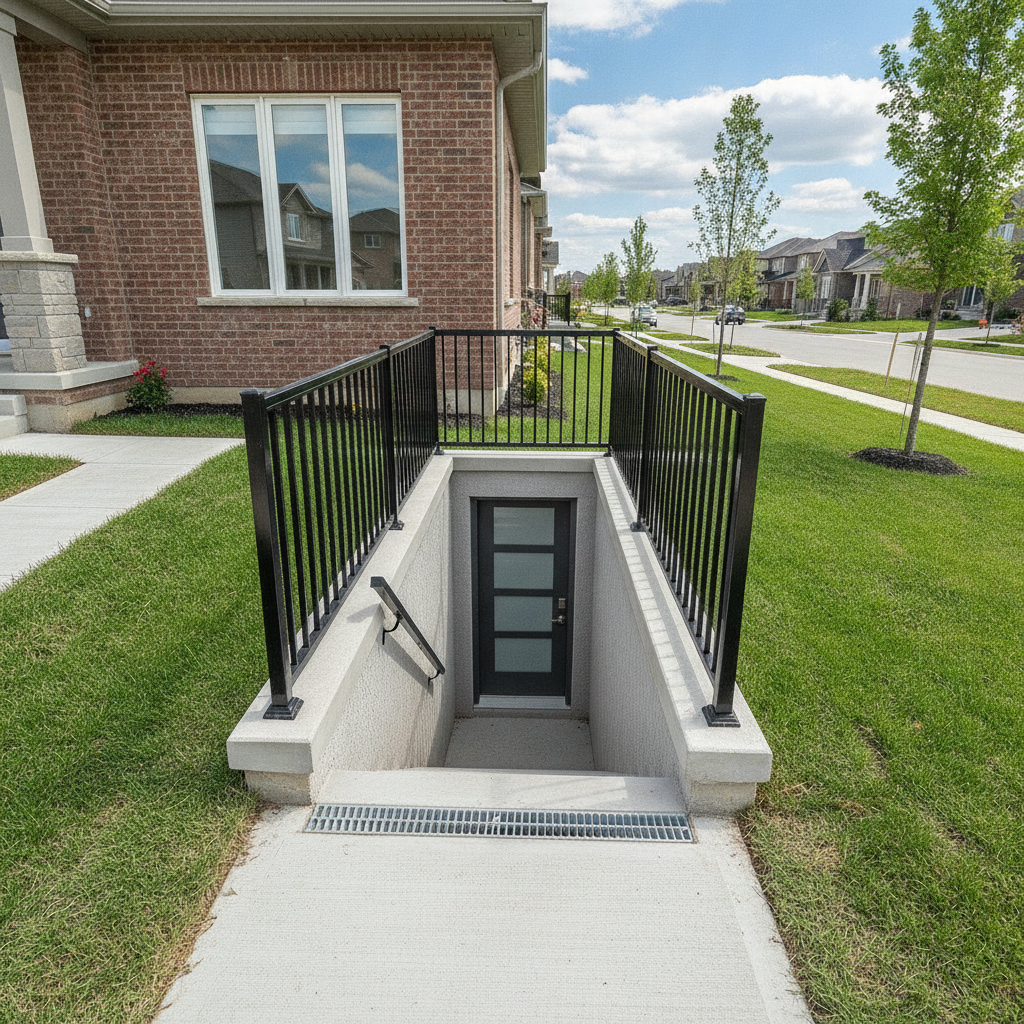
Separate entrance construction for legal basements is the engineered creation of a dedicated, code-compliant exterior access (door, stairwell, landing, drainage, and fire separation) that meets permitting and safety standards. At 805 Chelton Rd in London, ON, Mahal Concrete and Constructions delivers this service to help property managers legalize units, reduce vacancy periods, and protect residents.
By Mahal Concrete and Constructions • Last updated: 2026-06-18
Overview and Table of Contents
A legal basement entrance must be purpose-built for safe egress and code compliance, then inspected and signed off through the local permit process. This guide explains definitions, benefits, process steps, entrance types, compliance, common mistakes, best practices, tools, examples, FAQs, and next steps.
If you manage multi-unit or apartment buildings, this complete guide was written for you. It balances practical, step-by-step detail with executive-level clarity so you can brief stakeholders and move confidently.
- What is a legal basement entrance?
- Why it matters in London, ON
- How the process works
- Types and approaches
- Code and compliance essentials
- Common mistakes to avoid
- Best practices for multi-unit buildings
- Tools and resources
- Case studies and examples
- Pricing factors and timelines
- FAQ
- Conclusion and next steps
What Is Separate Entrance Construction for Legal Basements?
Separate entrance construction for legal basements refers to creating a new, code-compliant exterior access to a basement unit, including structural opening, door system, stair/landing, drainage, lighting, and fire separation. It is permitted, inspected, and documented so the secondary suite can be recognized as legal.
In plain terms, you’re adding a safe, independent pathway in and out of the basement. That often includes cutting new concrete, framing an opening, pouring a stairwell, installing a door, tying in drainage, and completing fire, smoke, and egress requirements.
Our team has completed 500+ multi-unit renovation projects across Southwest Ontario. We bring that scale and structure to basement entrances so portfolio owners can standardize finishes and documentation across properties.
For related planning context, see our internal primer on legal basement renovation requirements and our separate entrance considerations article.
Why Legal Basement Entrances Matter for London, ON Properties
In London and surrounding ON communities, a legal basement entrance improves safety, enables permitting, and supports reliable rental operations. It reduces vacancy periods by turning suites into move-in-ready, compliant units that attract quality tenants and satisfy insurance requirements.
Why does this matter to property managers? Because a permitted, documented entrance protects residents and your operating plan. It also helps avoid rework, enforcement risk, and tenant turnover caused by access or moisture failures.
We specialize in occupied property construction with WSIB-compliant crews and tenant-friendly scheduling. That means staged work, minimal disruption, and clean sites. This approach aligns with our apartment-focused processes and our goal to reduce vacancy days by delivering predictable turnovers.
For a compliance overview you can share with stakeholders, review our landlord requirements guide and the broader apartment renovation checklist.
How the Process Works: Step-by-Step
The best process moves in four phases: assess and design, permit and plan, build and inspect, and close-out and handover. Each phase documents decisions, schedules trades, manages inspections, and verifies quality so your basement entrance is safe, durable, and legal.
Here’s how we typically structure delivery for separate entrance construction for legal basements. We keep the steps consistent across portfolios so results are repeatable and documentation is easy to file.
- Site assessment and scope: measure grade, setbacks, utilities, water paths; flag risks.
- Concept and structural design: opening size, lintel/beam, stair geometry, landing, drainage.
- Permit package: drawings, structural sign-off, and application forms prepared and submitted.
- Pre-construction planning: schedule trades, order door/well components, plan tenant notices.
- Excavation and shoring: dig the stairwell/walkout; protect soils and adjacent structures.
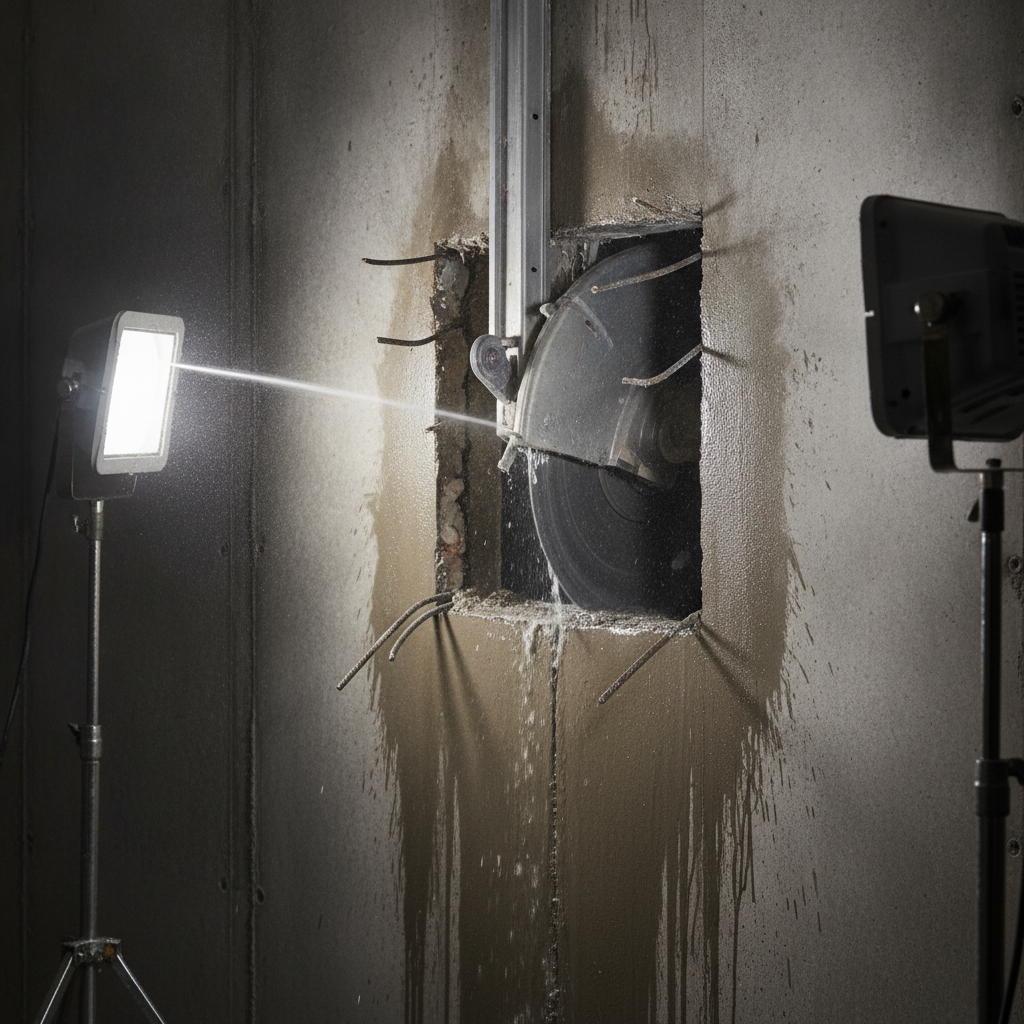
- Concrete cutting and opening: precision-cut foundation; install structural support.
- Form, pour, and set: walls, treads, landing, and area drain; initial cure observed.
- Door, framing, and sealing: install insulated door, weatherstripping, sill, and flashing.
- Drainage, backfill, and grading: tie drains, add gravel, restore slope away from the home.
- Railings, lighting, and safety: guardrails/handrails, motion lighting, and slip resistance.
- Inspections and documentation: in-progress checks plus final sign-off and photos.
- Clean handover: punch list complete; close-out package delivered.
| Phase | Primary Responsibility | Key Deliverable |
|---|---|---|
| Assess & Design | Owner + Contractor | Concept drawings and scope |
| Permit & Plan | Contractor | Complete permit package |
| Build & Inspect | Contractor | Passed inspections |
| Close-out & Handover | Contractor | Photos, manuals, warranty info |
On most projects, concrete requires a measured curing period before finishes and backfill are finalized. We schedule inspections and handrails/guards to align with that window so teams aren’t waiting around.
Types of Basement Entrances and When to Use Each
Choose among three common approaches: a below-grade stairwell (areaway) with a landing and drain, a side entry at or near grade with minimal excavation, or a full walkout on sloped lots. The right option depends on soil, setbacks, drainage, headroom, and portfolio goals.
Each property is different. We’ll assess grade, water table behavior, setbacks, and how residents will use the doorway daily. The objective is durable access that sheds water, resists freeze-thaw, and integrates with interior fire separations.
| Entrance Type | Best For | Considerations |
|---|---|---|
| Below-grade stairwell (areaway) | Flat lots; tight side yards | Requires reliable area drain, guardrails, and slip resistance |
| Side entry at/near grade | Shallow basements; easier egress | May still need minor excavation and frost protection |
| Full walkout | Sloped lots; daylight basements | Forms/retaining, drainage tie-ins, larger landing |
If you’re weighing two feasible options, we often model both and compare maintenance implications and tenant experience. That discussion dovetails with our apartment planning checklist for broader unit scope alignment.
Code, Safety, and Compliance Essentials
A legal entrance is built for egress, water management, and fire separation. Expect requirements for landing geometry, handrails/guardrails, door hardware, lighting, anti-slip surfaces, and drainage with frost protection. Inspections verify the design, the opening, and final safety features before sign-off.
Compliance is more than measurements. It’s about systems working together—structure, water, heat, and people. We engineer the opening with appropriate lintel or beam support, add flashing and sealants to manage water, and specify lighting where steps transition from daylight to shade.
We maintain WSIB compliance and safe occupied-building protocols, coordinating entry, egress routes, and quiet hours around resident schedules. For a concise run-down of do’s and don’ts, read our entrance considerations guide.
If you want additional industry reading on framing and permitting specifics, see these non-affiliated resources on basement permitting and framing practices: permit preparation overview, framing code basics, and general legal basement context.
Common Mistakes to Avoid in 2026
The most expensive problems come from water, structure, and documentation. Avoid undersized drainage, missing frost protection, poorly supported openings, noncompliant landings, absent handrails/guards, and incomplete permit records. Fixing these later disrupts tenants and delays leasing.
Here are patterns we’ve seen across portfolios and how we address them proactively:
- Cutting the opening before design sign-off: We sequence design, permits, and cutting to protect structure.
- Stairwell without a reliable drain: We include an area drain and route it to a proper discharge point.
- Ignoring frost protection: We specify frost-resistant details at landings and thresholds.
- Skipping guardrails/handrails: We install compliant guards and secure handholds.
- Landing too small: We model door swing and landing geometry before forming.
- Poor backfill and grading: We restore slope away from the structure with gravel and compaction.
- Weak door and weather details: We use insulated doors, flashing, and high-quality weatherstripping.
- Inadequate lighting: We plan motion-enabled luminaires for safety and convenience.
- Neglecting slip resistance: We finish treads and landings for traction in wet and icy seasons.
- Forgetting tenant communication: We coordinate quiet hours and safe paths in occupied buildings.
- No as-built documentation: We hand over photos and records to simplify audits and leasing.
- Not tying entrance work to turnover: We align schedules with unit make-ready to limit downtime.
Each of these issues can sideline a leasing plan. Our standardized approach tackles them up front and documents decisions for future reference.
Best Practices for Multi-Unit and Apartment Buildings
Standardize details, schedule around tenants, and align the entrance scope with turnovers. Use durable finishes, repeatable hardware, and clear communications. This protects residents, accelerates leasing, and keeps maintenance predictable across your portfolio.
In our experience, the right playbook is repeatable across buildings. We combine entrance construction with washroom updates, paint/repairs, and kitchen refreshes so a unit re-enters the market in move-in-ready condition.
- Standardized finishes: Door hardware SKUs, guardrail styles, and lighting types kept consistent.
- Tenant-friendly scheduling: Quiet hours and staged access; posted notices well in advance.
- Durable materials: Freeze-thaw resistant concrete finishes and weatherproof doors.
- Coordinated scopes: Pair entrances with bath/kitchen and paint to reduce separate mobilizations.
- Portfolio documentation: Centralized as-builts and inspection records for compliance reviews.
You can see how this syncs with our guidance on apartment renovation planning and the importance of hiring insured contractors for occupied sites.
Local considerations for London
- Wet seasons demand robust drainage at stairwells; we design for heavy rain and snowmelt typical of London’s climate.
- Winter work needs frost-aware sequencing; we plan pours and protection around cold snaps to preserve finishes.
- Occupied buildings benefit from weekend or phased scheduling; we coordinate tenant access and safe egress at all times.
Tools, Materials, and Resources
Precision tools and frost-resistant materials underpin reliable entrances. Expect track-mounted concrete saws, robust lintels, gravel bases, drains tied to approved discharge, insulated doors, corrosion-resistant railings, waterproofing, sealants, and motion lighting to complete the system.
Here’s a concise look at what we deploy on typical projects:
- Tools: track saws, core drills, compactors, forms, rebar benders, and laser levels.
- Materials: concrete mixes rated for freeze-thaw, gravel sub-bases, waterproof membranes, flashing, lintels, insulated doors, and galvanized rails.
- Documentation: drawings, engineered opening details, inspection sign-offs, and a close-out photo set.
For third-party perspectives on the permitting and framing steps that often accompany legal basement work, see this permit overview, an outline of framing code basics, and a broader legal basement explainer. Use these as general background while we tailor specifics to your property.
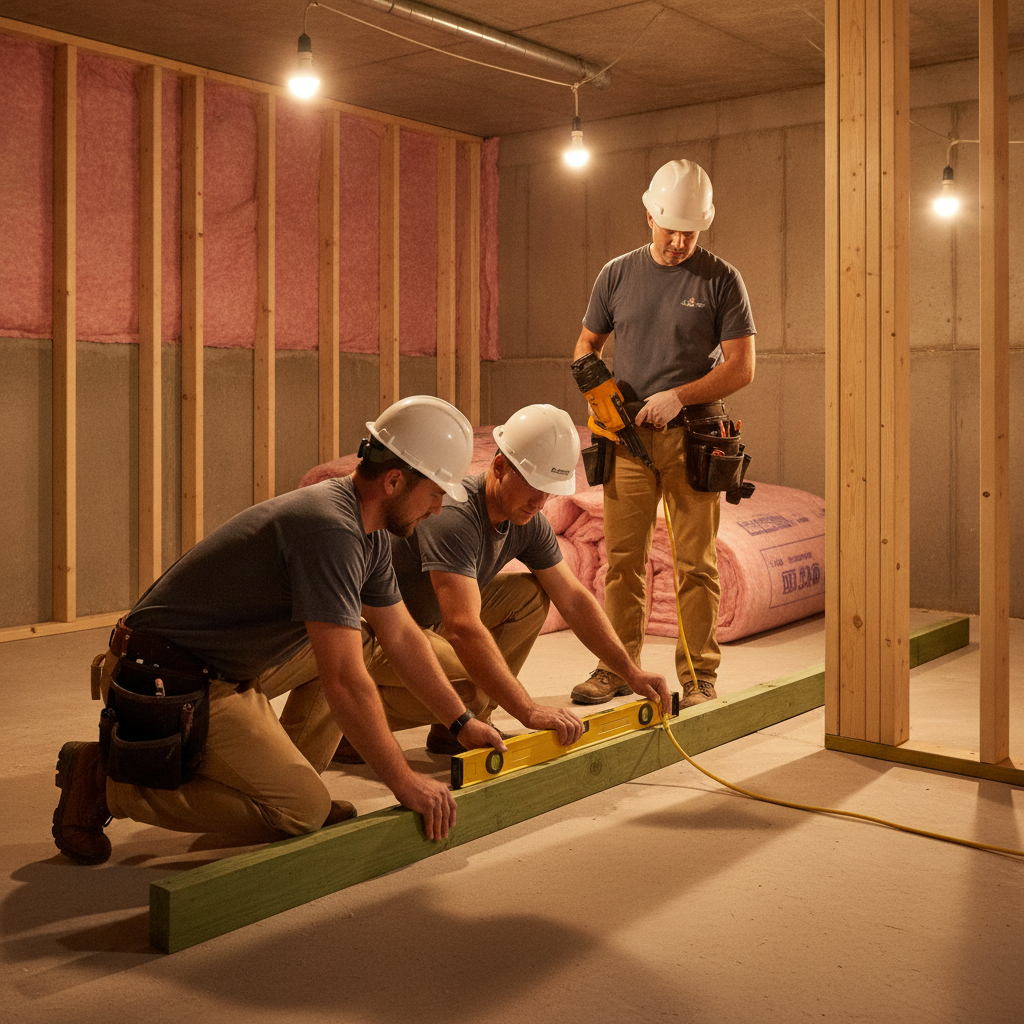
Case Studies and Examples (Southwest Ontario)
Portfolio owners win when entrances are standardized and sequenced with turnovers. We’ve delivered repeatable designs across Southwest Ontario, aligning drainage, structure, and tenant schedules so suites return to market quickly and compliantly.
London—Side-yard areaway with drainage tie-in: A property manager needed an egress door for a one-bedroom suite. We cut, supported, and poured a compact stairwell, tied the area drain to an approved discharge, added motion lighting, and completed as-builts for leasing files.
Woodstock—Grade-adjacent entry: On a shallow basement, we created a near-grade side entry with minor excavation. The design preserved yard use and simplified snow clearing. For Woodstock-specific legalization steps, see our local renovation guide.
Chatham—Walkout on a sloped lot: Taking advantage of grade, we formed a daylight walkout with a larger landing and guard system. The unit re-entered the market with strong tenant interest thanks to bright access and clean finishes.
Pricing Factors and Timeline Expectations
Budget and schedule are driven by site conditions, entrance type, structural needs, drainage complexity, finishes, inspections, and occupied-building coordination. Aligning entrance work with a planned vacancy window reduces downtime and helps leasing stay on track.
We don’t publish pricing because scopes vary by property. Instead, we focus on the drivers you can control: clear design decisions, timely permits, durable materials, and staging that respects tenants. Those choices shorten the path from notice to lease.
- Site variables: side-yard width, utilities, soils, and elevation changes.
- Entrance choice: areaway, side entry, or walkout—with different excavation and forming needs.
- Drainage plan: area drain sizing and discharge tie-ins that stand up to wet seasons.
- Structural scope: engineered opening, lintels/beams, and any adjacent reinforcement.
- Occupied-building plan: tenant notices, safe paths, quiet hours, and cleanliness.
When timing matters, we integrate this scope with unit turns, bathroom updates, and paint so everything completes together—often the fastest route to a move-in-ready listing.
Frequently Asked Questions
Property managers ask about permits, timelines, drainage, and working in occupied buildings. Here are direct answers to help you plan your separate entrance scope with confidence and keep leasing schedules predictable.
Do I need a permit for a new basement entrance?
Yes. Creating a new opening, stairwell, or exterior door to a basement is a permitted activity. The permit process documents the engineered opening, egress details, drainage, and safety features. We prepare and submit drawings, coordinate inspections, and deliver the final sign-off package.
What’s the difference between a walkout and an areaway?
A walkout leverages a sloped lot to exit near grade, often with more daylight. An areaway is a below-grade stairwell formed in excavation along the foundation. Both can be legal with proper structure, landings, handrails, guards, and drainage. Site conditions usually determine the best option.
Can you build an entrance while units are occupied?
Yes. We work in occupied buildings every day with WSIB-compliant safety practices. We stage the work, protect egress paths, and coordinate quiet hours and tenant notices. Our aim is minimal disruption and clean, contained worksites.
How do you prevent water issues in the stairwell?
We design drainage into the project. That includes an area drain at the landing, gravel sub-base, proper discharge routing, weatherproof door details, and restored grading that directs surface water away. In wet seasons, this plan is essential to protect interiors and finishes.
Conclusion and Next Steps
Legal basement entrances succeed when structure, water, and documentation are planned together. Standardize details, schedule around tenants, and align scopes so suites return to market quickly with clean compliance records and durable finishes.
Key takeaways for property managers and owners:
- Define the entrance type around drainage, structure, and tenant use.
- Sequence design, permits, cutting, and pours to protect the building.
- Standardize finishes and documentation across your portfolio.
- Pair the entrance with turnovers and interior updates to reduce downtime.
Ready to plan your separate entrance construction for legal basements? Book a portfolio review with our team in London, ON. We’ll align design, permits, and scheduling so you can lease faster and sleep better.