

Paint and repairs for fast re-occupancy is a focused turnover program that restores units to move-in-ready condition in days, not weeks. From our base at 805 Chelton Rd, London, ON N6M 0K9, we standardize finishes, sequence trades, and verify quality so property managers can shorten vacancy windows and protect rent roll stability.
By Amaruppdesh Singh | Last updated: 2026-06-21
Above-Fold: Hook + Table of Contents
If unit days-vacant are creeping up, a standardized paint-and-repair playbook is the fastest lever to pull. We align scope, materials, and sequencing so a typical one-bedroom can be patched, painted, and signed off in 337 days, compressing downtime while boosting tenant appeal and inspection pass rates.
Heres the reality: turnover delays often come from unclear scopes, mismatched materials, and rework. A repeatable system fixes that. Below is what we cover and exactly how it helps multi-unit operators move faster with less disruption.
- What this program includes
- Why vacancy days drop
- How the step-by-step process runs
- Methods, repairs, and finishes
- Best practices that save days
- Tools, materials, and resources
- Local planning in London, ON
- Mini case studies
- FAQ
- Conclusion + next steps
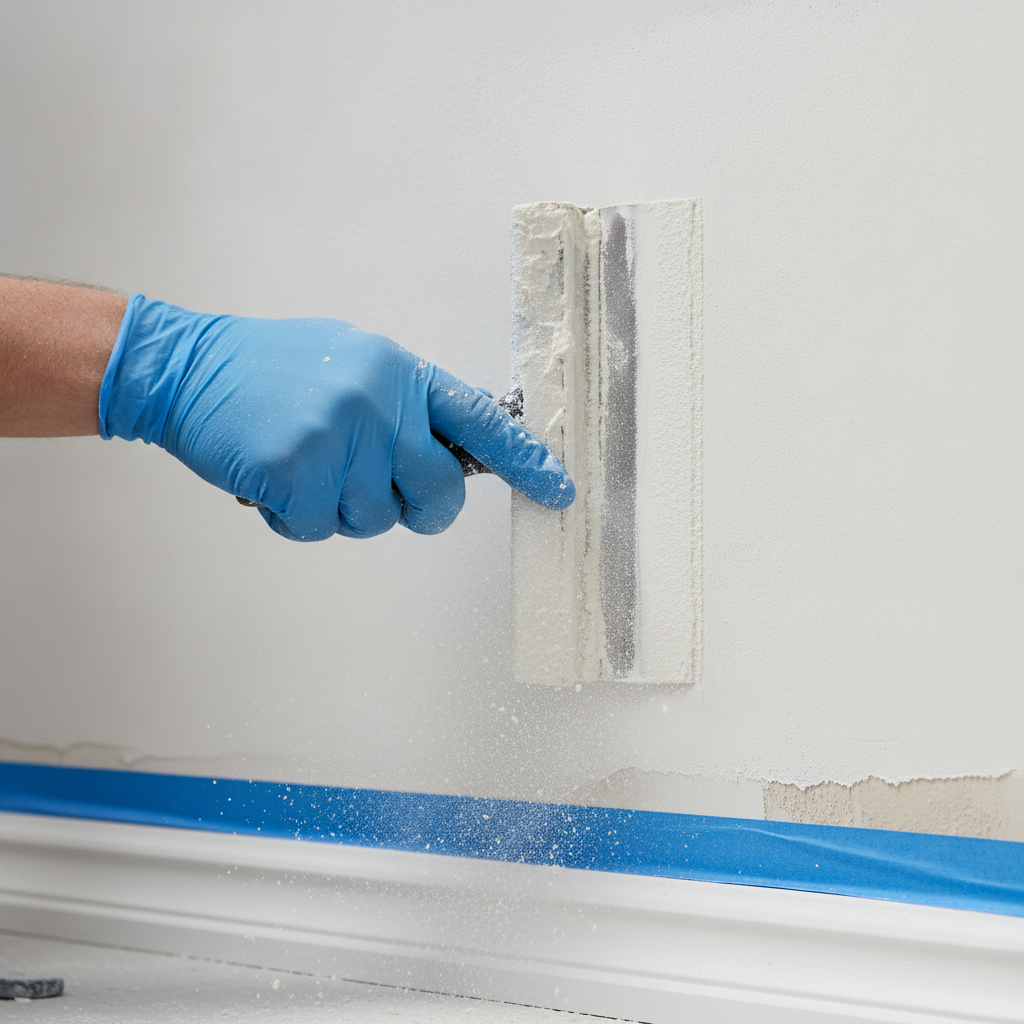
What Is Paint and Repairs for Fast Re-Occupancy?
Paint and repairs for fast re-occupancy is a compressed turnover scope focused on surface fixes, full-unit painting, safety checks, and minor finish upgrades. The goal is a clean, consistent, code-safe unit handed back in days, not weeks, using standardized materials and a repeatable quality checklist.
At Mahal Concrete and Constructions, this program targets the 605% of turnover friction tied to scuffed walls, worn trim, small drywall holes, caulk failures, and tired paint. We eliminate rework by locking color schedules, sheen, and materials portfolio-wide.
- Scope highlights: wall repairs and patching, stain blocking, full-unit painting, trim refresh, caulking, hardware swaps, and fixture touch-ups.
- Quality gates: primed patches, even mil thickness, straight cut lines, consistent sheen, and paint curing times observed (typically 2448 hours for light use).
- Outcome: move-in-ready presentation that photographs well for listings and passes handover checks on the first run.
We back this with a structured path: site assessment, scope finalization, timeline planning, scheduled execution, and a documented quality check before handover. That process discipline is how weve completed 500+ projects with predictable results.
For deeper context on surface prep before paint, see our guidance on wall repairs and patchwork and why it prevents telegraphing and callbacks.
Why Fast Paint-and-Repair Turnovers Matter
Every extra day vacant impacts annual revenue and momentum. A tight paint-and-repair workflow cuts 25 days from average turnover, protects brand standards, and elevates first-impression scores, helping units lease faster with fewer post-move-in service tickets.
Vacancy days compound. A 10-day delay across 20 units is 200 unit-days, which can ripple through renewals and marketing. Operators need a reliable way to stabilize presentation quickly while keeping safety and compliance intact.
- Brand consistency: standardized colors and sheens prevent a five-shade hallway look. Consistency reduces paint SKUs to 35, speeding reorders and touch-ups.
- Reduced callbacks: correct primer use and patch staging can eliminate up to 80% of post-paint flashing issues.
- Leasing velocity: freshly painted units with clean lines convert better in tours and online listings (bright, neutral walls photograph 105% better).
If you want a quick primer on interior refresh logic, this interior painting guide outlines fundamentals that echo our turnover approachcolor discipline, prep, and sequencing.
How the Turnover Paint-and-Repair Process Works
We compress time by front-loading decisions, batching tasks, and sequencing trades. Expect pre-walk in 24 hours, scope lock within 1 business day, patch/prime day 1, paint day 2, finish carpentry and caulking day 3, punch the morning after, and handover same day.
The schedule below is our baseline for an average one-bedroom (600750 sq ft). Larger or damaged units extend proportionally, but the logic holds: remove uncertainty, stack compatible tasks, and verify once.
| Step | Typical Duration | Primary Deliverable |
|---|---|---|
| Pre-walk & scope lock | 24 hours | Signed scope with color schedule and SKUs |
| Surface repairs | 48 hours | Patched, sanded, dust-controlled walls/ceilings |
| Prime & stain block | 2 hours | Uniform base; problem areas sealed |
| Full-unit painting | 1 days | Even coverage; cut-and-roll complete |
| Trim/doors & caulking | 4 hours | Sharp lines; gaps sealed; hardware reset |
| Punch & QA sign-off | 2 hours | Deficiency list closed; photos uploaded |
- Color schedule: lock 1 wall color, 1 trim/door color, and 1 ceiling white. We prefer neutral light-grays at 6070 LRV for photos and touch-up flexibility.
- Sequencing: wet trades first (patching/priming), then rolling, then detail (trim/doors/caulk), then fixtures and cover plates.
- Documentation: we upload 102 photos per unit to verify lines, coverage, and repairs before handover.
Want a head start on defining scope? Grab the structure we use in our scope of work template and pair it with your leasing timelines and renewal dates.
We close each unit against a rigorous final handover checklist so nothing drifts past day three without a clear reason and an owner-approved decision.
Free 15-minute planning call. If you manage multiple buildings or an active turnover pipeline, well map a standardized color schedule and patch/paint sequence you can reuse across properties. Book a quick consult.
Types of Repairs and Painting Methods for Turnovers
Fast re-occupancy favors repeatable repairs: clean cuts, tight patches, stain blocking, and controlled cut-and-roll. Bathrooms get fresh caulk; kitchens receive hardware and cabinet touch-ups; trims and doors get semi-gloss for durability and easy wipe-downs.
We standardize the repair stack so crews move faster and quality stays consistent. The intent is not low effort; its right repair, first time the repair that survives 1218 months of tenant traffic.
Surface preparation and wall repair
- Dust control first: we tent sensitive areas and use vacuum-assisted sanders to cut cleanup time by 305%.
- Right patch for the hole: 10 mm dings get lightweight compound; larger voids get backer support and mesh to prevent sinkage.
- Prime to hide repairs: spot-prime with a bonding or stain-blocking primer so touch-ups dont flash.
Well-prepped walls absorb ~30000 sq ft/gal more evenly, which means fewer just one more coat debates and a cleaner final pass.
Full-unit painting standards
- Cut-and-roll cadence: 2-person teams average 35050 sq ft/hour on open walls; tight trims slow to 20050 sq ft/hour.
- Sheen logic: eggshell on walls for wipeability; semi-gloss on trim/doors for scuff resistance; flat ceilings to mask imperfections.
- Dry/cure windows: light use in 2448 hours; full cure ~7 days. We ventilate and manage humidity to hit those marks.
Bathrooms and kitchens: small upgrades, big impact
- Bathrooms: remove tired silicone, sanitize, and re-caulk. Paint with mildew-resistant coatings above tile lines.
- Kitchens: swap yellowed switch plates, tighten door hardware, and refresh caulk lines at backsplashes and counters.
- Cabinet refresh: for salvageable doors, a refinish, dont replace workflow can modernize looks quickly. See this cabinet refinishing guide for a typical surface-prep arc.
Emergency stabilization inside the turnover window
- Water stains: source fixed, then oil-based stain block; topcoat next day.
- Minor ceiling cracks: tape, compound, spot-prime, feather; paint ceiling last.
- Trip hazards: quick-set fillers at transitions until full flooring work is scheduled.
Because were WSIB-compliant and fully insured, we can safely mobilize multi-unit crews in occupied buildings and keep corridors clean while we work.
Best Practices That Actually Save Days
To cut vacancy days, decide once and deploy everywhere. Standardize paint SKUs and sheens, stage materials, assign two-person teams, and punch the unit within 12 hours of paint. Those moves remove 204 hours of friction per unit across a portfolio.
- One-color discipline: reduce wall color to a single neutral plus a universal trim color. That cuts SKU counting and mixing errors to near-zero.
- Patch day, paint day: keep those separate. Sand dust and fresh paint dont mix. Youll avoid 1 repaints per month per building.
- Unit labeling: label gallons by building/unit; record batch numbers in your turnover file for traceability.
- Door and trim first: in tight schedules, finishing doors/trim first can unlock earlier photo-readiness even if walls wait a day.
- QA photos: aim for 102 images documenting cuts, corners, and patched areas. Photos drop dispute time by 705%.
For a portfolio-wide framework that pairs paint and repairs with cleaning, keys, and signage, we designed a full unit turnover checklist you can adapt to your properties.
Tools, Materials, and Resources We Rely On
Fast re-occupancy depends on the right kit: pro-grade rollers and angled brushes, bonding and stain-blocking primers, zero-VOC wall paints in eggshell, semi-gloss enamels for trim/doors, siliconized acrylic caulk, and dust control. Document your SKUs and keep 105% buffer stock on site.
- Primers: bonding primer for glossy surfaces; stain blocker for water marks, nicotine, and tannins.
- Wall paints: zero-VOC eggshells that touch up well; target 25000 sq ft/gal coverage.
- Trim/doors: durable semi-gloss enamels; two light coats outperform one heavy pass.
- Caulks: siliconized acrylic for paintability; replace failed beads around tubs, surrounds, and backsplashes.
- Hardware: new switch and outlet covers, fresh doorstops, and tightened handles make photos and showings pop.
Quality materials reduce defects and callbacks. For a sense of common finishing pitfalls and how teams correct them, review this overview of painting deficiency correction methods that align with our own QC checks.
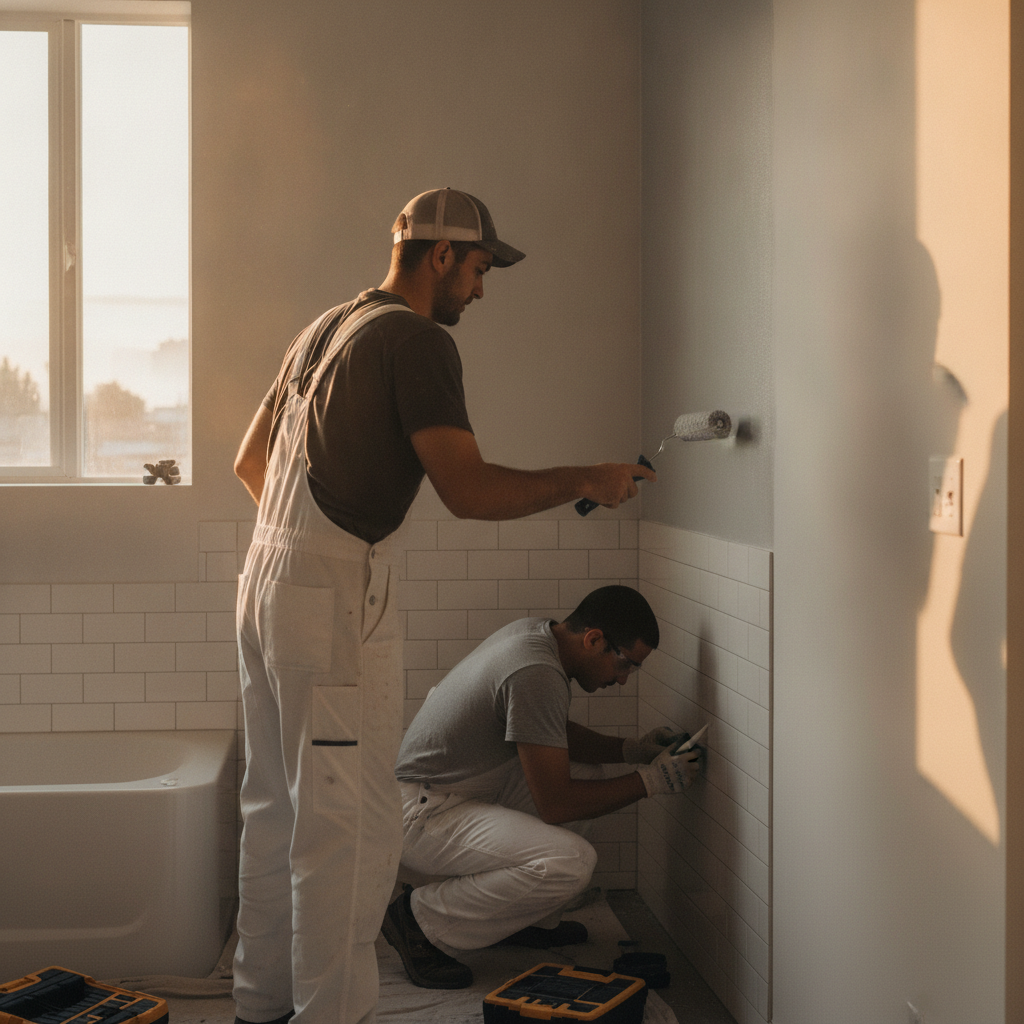
Local Planning in London, ON for Faster Re-Occupancy
For London, ON properties, plan paint-and-repair turnovers around humidity swings, tenant move cycles, and building quiet hours. Align with your superintendents access windows and prioritize odor-light products so units can be shown within 2448 hours of final coat.
We coordinate with site staff to keep corridors tidy and elevators unblocked during peak hours. Our schedule-driven model respects building rules while keeping pace on 2 active units per stack. That balance is essential for multi-property portfolios.
Local considerations for London
- Spring and fall humidity in London can slow cure by 4 hours; we ventilate and dehumidify to keep paint on schedule.
- Plan turnovers just before peak leasing months so your photos and tours benefit from fresh finishes and natural light.
- Coordinate with building quiet hours and elevator bookings to avoid delays when moving materials and crews between floors.
Mini Case Studies: Vacancy Days Down, Consistency Up
Standardization is the unlock. Across recent London multi-unit projects, trimming color choices to two wall neutrals and one trim enamel, plus a fixed patch/prime sequence, cut average vacancy by 35 days and reduced paint-related callbacks by more than half.
20-unit wing refresh
Challenge: scuffed corridors and dinged one-bedrooms causing 7 extra days vacant. Action: fixed color schedule, patch/prime day, then two-coat cut-and-roll, doors/trim last. Result: average turnover 3.6 days/unit, 0 paint-related callbacks over the next quarter.
Occupied-floor bathroom touch-ups
Challenge: aging caulk lines and water staining above tub surrounds across an occupied floor. Action: replaced silicone, spot-primed stains, ventilated, and painted with mildew-resistant coating. Result: tenant tickets dropped ~60% in 30 days with zero noise complaints during work.
Kitchen cabinet salvage program
Challenge: tired-looking kitchens driving poor tour feedback. Action: targeted hardware swaps and cabinet refinishing in salvageable units. Result: showing-to-application rate rose ~12% with average kitchen downtime of 2 days per unit stack.
Want more timelines by scope? Our breakdown of kitchen remodeling timelines shows how to stagger upgrades without slowing leasing.
Working in occupied buildings? This note on bathroom upgrades in occupied spaces details communication tactics and quiet-hour scheduling that keep peace with residents while work proceeds.
Frequently Asked Questions
Property managers ask about timelines, paint choices, patch strategy, and QA. Here are direct answers that fit multi-unit realities and help reduce days-vacant while protecting standards across a portfolio.
How fast can a typical one-bedroom be turned with paint and repairs?
With a locked scope and color schedule, most one-bedrooms (600750 sq ft) are ready in 37 days: day 1 for patch/prime, day 2 for full roll, day 3 for trim/doors and punch, with handover the same day after QA.
What paint sheens hold up best for rentals?
Eggshell on walls balances cleanability and touch-up. Semi-gloss on trim and doors adds scuff resistance. Flat ceilings help hide minor flaws. This combo looks sharp in listing photos and endures 1218 months of typical tenant traffic.
How do you prevent flashing on patched areas?
Prime patched spots with a bonding or stain-blocking primer and feather edges before topcoat. Maintain consistent mil thickness and allow proper dry times. Most flashing stems from skipping primer or rushing sanding and dust control.
Can you standardize finishes across multiple buildings?
Yes. We build a portfolio color schedule, SKU list, and sheen policy, then stage buffer stock on site. That reduces ordering friction, speeds touch-ups, and keeps photos consistent across listings so marketing can move faster.
Conclusion and Next Steps
Fast re-occupancy comes from clarity and consistency. Lock a paint-and-repair standard, stage materials, and run a tight sequence with one QA. Thats how you shave 25 days off each turnover and keep leasing momentum strong across your portfolio.
When the goal is fewer vacancy days, good enough paint isnt good enough. A documented processfrom pre-walk to photo-verified handoverensures durable finishes, safer spaces, and cleaner listings that lease faster.
Key takeaways
- Standardize colors, sheens, and SKUs to remove decision drag.
- Split patch day and paint day to avoid dust defects.
- Use eggshell walls, semi-gloss trim, and flat ceilings for durability.
- Document work with 102 QA photos and a single closeout punch.
Action steps
- Adopt a building-wide color schedule this week.
- Stage 105% paint/caulk buffer inventory on site.
- Book a 15-minute planning call to blueprint your standardized turnover.
Ready to move faster? Were built for multi-unit and apartment environments across Southwest Ontario. Schedule a discovery session for your next block of turnovers.