
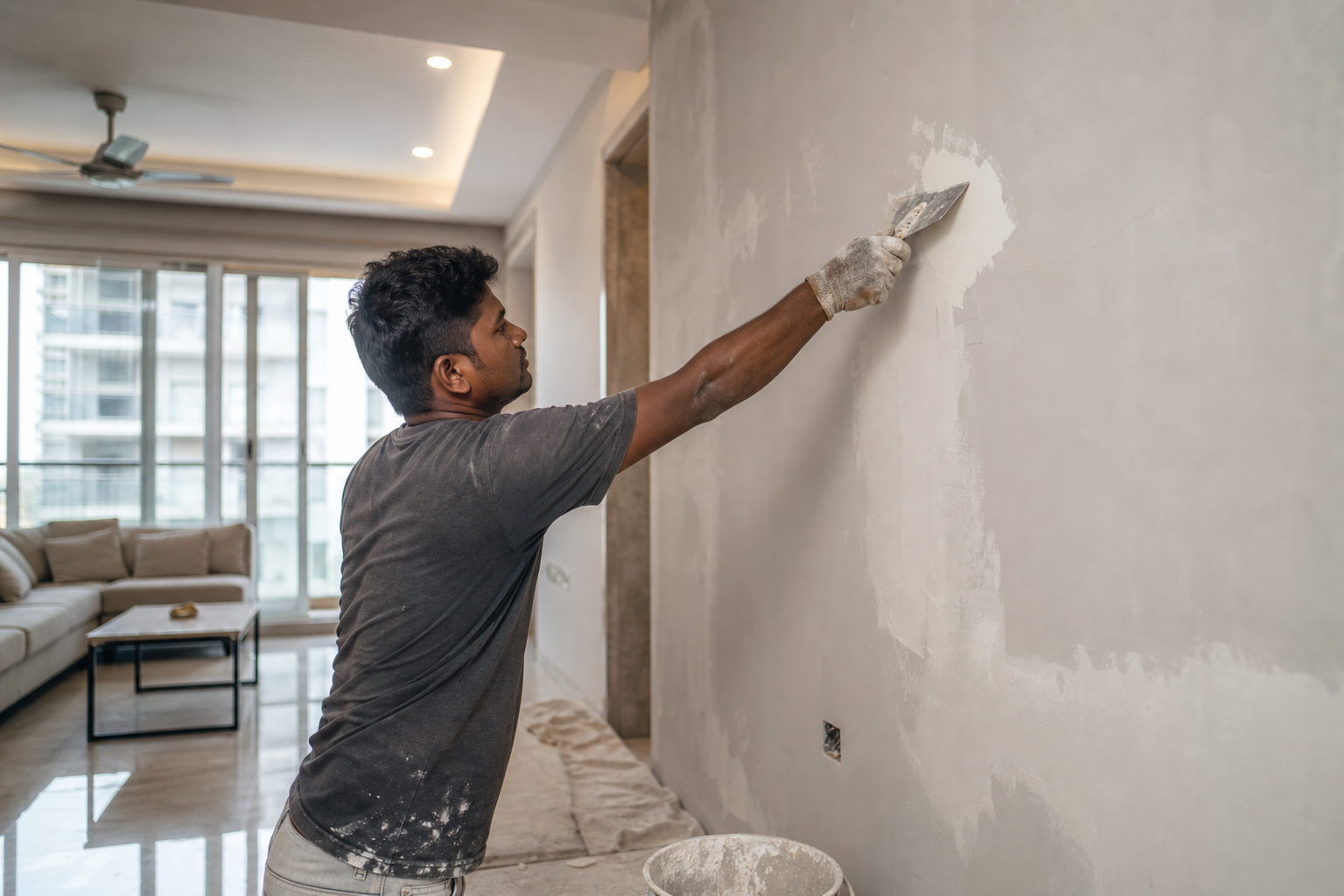
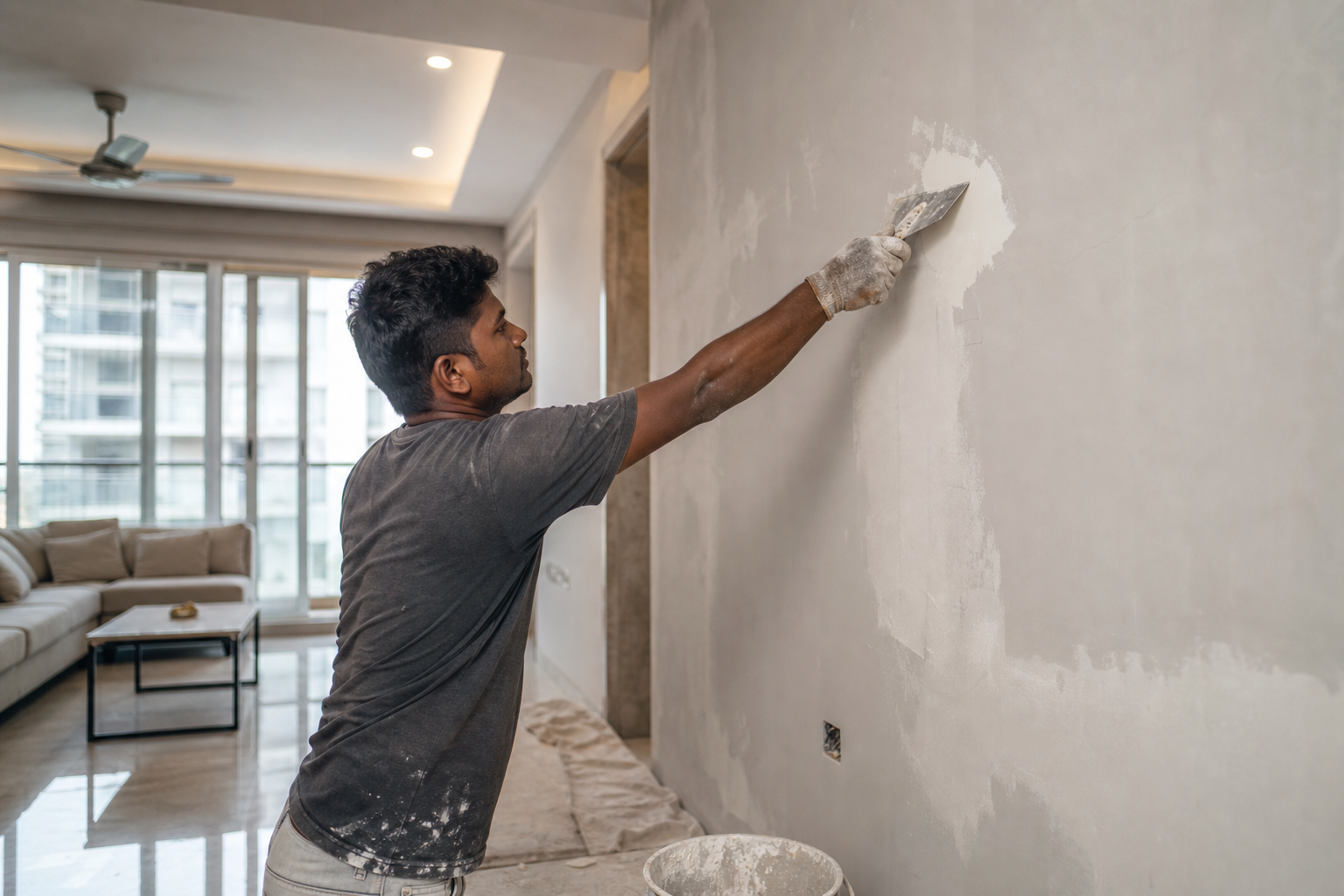
What is wall patching for apartments and why does it matter?
Wall patching for apartments is the set of repair tasks that restore interior wall surfaces to a move-in or maintenance standard during turnovers, routine upkeep, or emergency repairs. For property managers and landlords this is more than cosmetic work. Apartment patching must deliver consistent, durable finishes across many units, control moisture and safety risks, and fit a tenant-friendly schedule so vacancies and complaints are minimised.
Why wall patching matters for multi-unit properties
Small holes and scuffs left unaddressed create bigger problems over time. Repairing walls as part of scheduled turnovers helps reduce vacancy time and ensures inspection readiness, while moisture-related patching prevents deterioration and structural damage. The Canada Mortgage and Housing Corporation recommends including repainting or repair of walls and ceilings in multi-unit operations to prevent deterioration from moisture and to preserve asset value, so patching belongs in routine maintenance planning (CMHC operations manual).
Operationally, reliable wall patching supports consistent move-in aesthetics and fewer rework calls. Contractors who deliver standardised finishes and quality checks prior to handover reduce inspection failures and tenant dissatisfaction. If you use an experienced multi-unit contractor, they will bring schedule-driven execution, WSIB and insurance compliance, and procedures tailored for occupied buildings, which helps limit disruption and liability (Mahal Concrete and Constructions).
Common triggers and how to prioritise repairs
- Impact and holes: Door knobs, furniture moves, and accidental impacts create holes from hairline to larger breaches. Small holes are usually low priority during occupation, but medium and large holes need prompt patching before paint to prevent further damage.
- Cracks and settling: Hairline cracks may be cosmetic, while widening or stair-step cracks can indicate movement that needs inspection. Prioritise cracks that change quickly, are wide, or accompany doors that no longer close squarely.
- Water stains and damp areas: Water-saturated drywall or stained finishes require drying and source repair first. Any evidence of ongoing moisture must be escalated because patched paint will fail over wet substrates.
- Surface wear and abrasion: High-traffic corridors and kitchens show scuffs and worn paint. These are lower urgency but should be grouped into turnover schedules to achieve visual uniformity.
- Mould or mildew signs: Visible mould requires immediate containment, investigation and remediation before cosmetic patching. Avoid covering mould with paint.
Contractor standards and the standard patch workflow
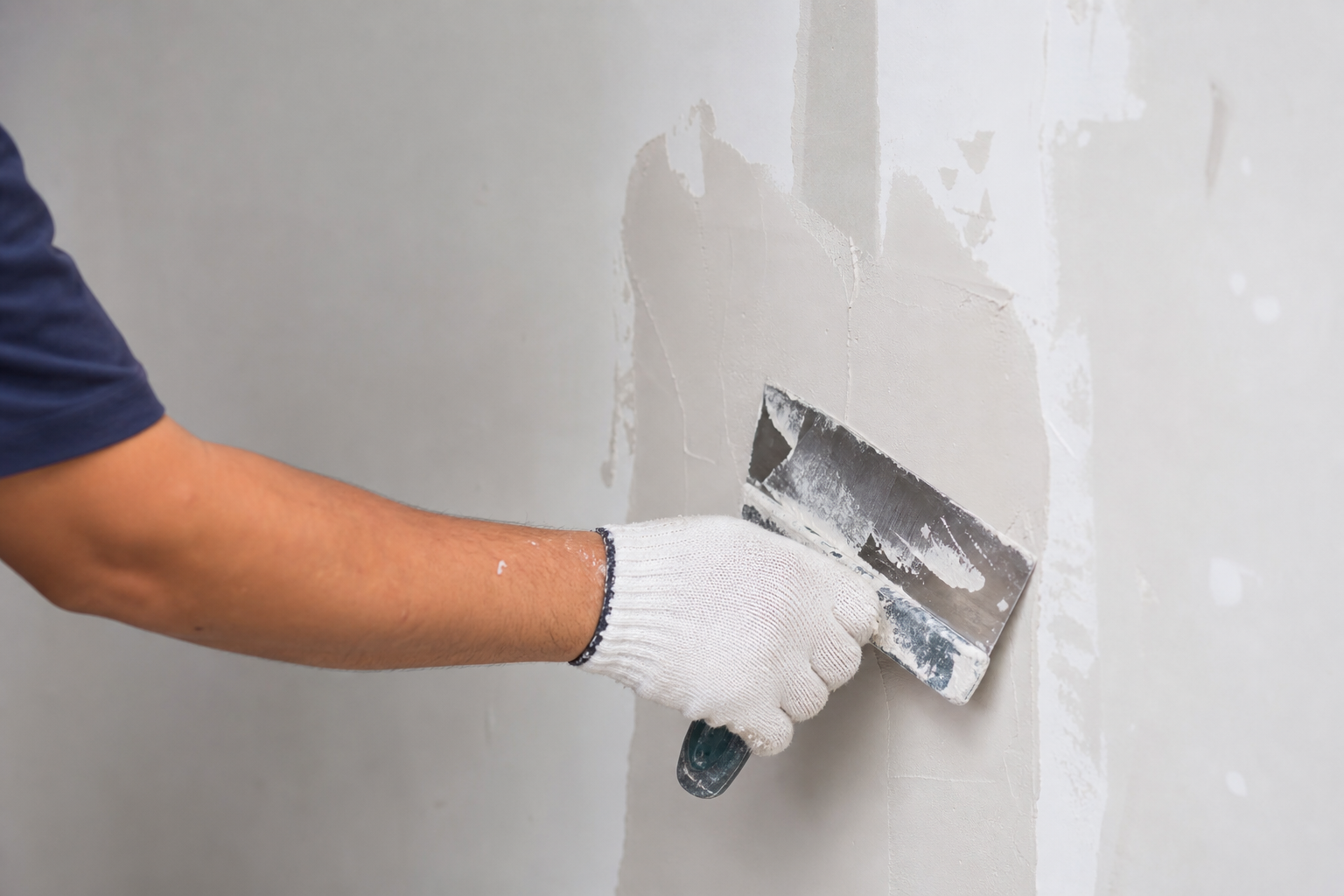
Apartment drywall and wall patching are commonly executed as a predictable sequence: prepare the surface, apply a suitable patching compound, sand smooth, prime, and paint. For apartment turnovers this order is important because unprimed or mismatched spackle can absorb paint unevenly and create visible flashing that ruins the match across units. The recommended workflow used by property turnover specialists is patch with joint compound or an appropriate setting compound, sand smooth, prime the patched area, then paint to match the surrounding finish (turnover repair guidance).
When you specify work for multiple units insist on the following service standards from contractors: site assessment and written scope before work, a fixed acceptance standard for surface texture, priming of repaired areas, paint match strategy, and a final quality check with photo documentation at handover. A contractor experienced with multi-unit projects will also offer phase-based scheduling and toolbox safety protocols to work in occupied suites (Mahal Concrete and Constructions).
Materials and acceptance criteria
- Patching compound: Use joint compound for thin repairs and a setting-type compound for deeper holes. Setting compounds cure faster and reduce shrinkage on larger repairs.
- Backing and fasteners: For holes larger than a few inches use backing (patch plate or drywall piece) secured to framing before filling.
- Primer: Always prime patched areas before finish coats. Primer equalises porosity so the finish paint lays down evenly and prevents flashing (primer guidance).
- Paint finish: Specify finish type and sheen for consistency. For rental units an eggshell or low-sheen latex finish is common because it balances touchability and cleanability.
- Acceptance test: No visible flashing from normal daylight at arm’s length, seamless texture match within a standard 3 foot perimeter, and no rough edges or ridges when touched.
How patching is done with tenants in place
Minimal disruption in occupied units starts with communication and modest site protection. Provide tenants with a narrow window for access, cover floors and furniture with drop cloths, and isolate work areas with zippers or plastic where needed. Drying times and compound cure times should be stated in the work order so tenants and managers know when spaces will be usable again.
Phased work reduces disturbance for multi-unit rollouts. Contractors who handle occupied properties typically work one or two units at a time, keep the site clean at the end of each day, and use low-odour materials whenever possible. Mahal highlights scheduled execution with minimal disruption and tenant-friendly protocols as part of multi-unit turnover services. For emergency situations there are checklist items you can use immediately; see Mahal’s emergency repair checklist apartments for a rapid response framework (emergency repair checklist apartments).
Copy-ready scope template for consistent multi-unit patching
Use this snippet in work orders or RFPs to standardise results across units.
- Service: wall patching for apartments, interior gypsum board and painted surfaces.
- Site assessment: contractor to inspect and provide written scope and sample patch photo prior to work.
- Repair method: use setting-type compound for holes > 25 mm, joint compound for surface skimming. Provide backing on holes > 75 mm.
- Preparation: remove loose material, sand feather edges, vacuum dust, and protect floors and fixtures with drop cloths.
- Priming: apply a stain-blocking primer on all patched areas before finish coat.
- Finish paint: two coats of owner-specified latex paint, sheen: eggshell or as directed, matched to existing colour with in-unit sample approval where possible.
- Acceptance: no visible flashing under normal lighting at arm’s length, smooth texture within a 0.9 metre perimeter, and photos supplied at handover.
- Schedule and access: work to be completed within the agreed window; contractor to provide 24 hour contact and daily clean-up.
Inspection checkpoints and when to escalate
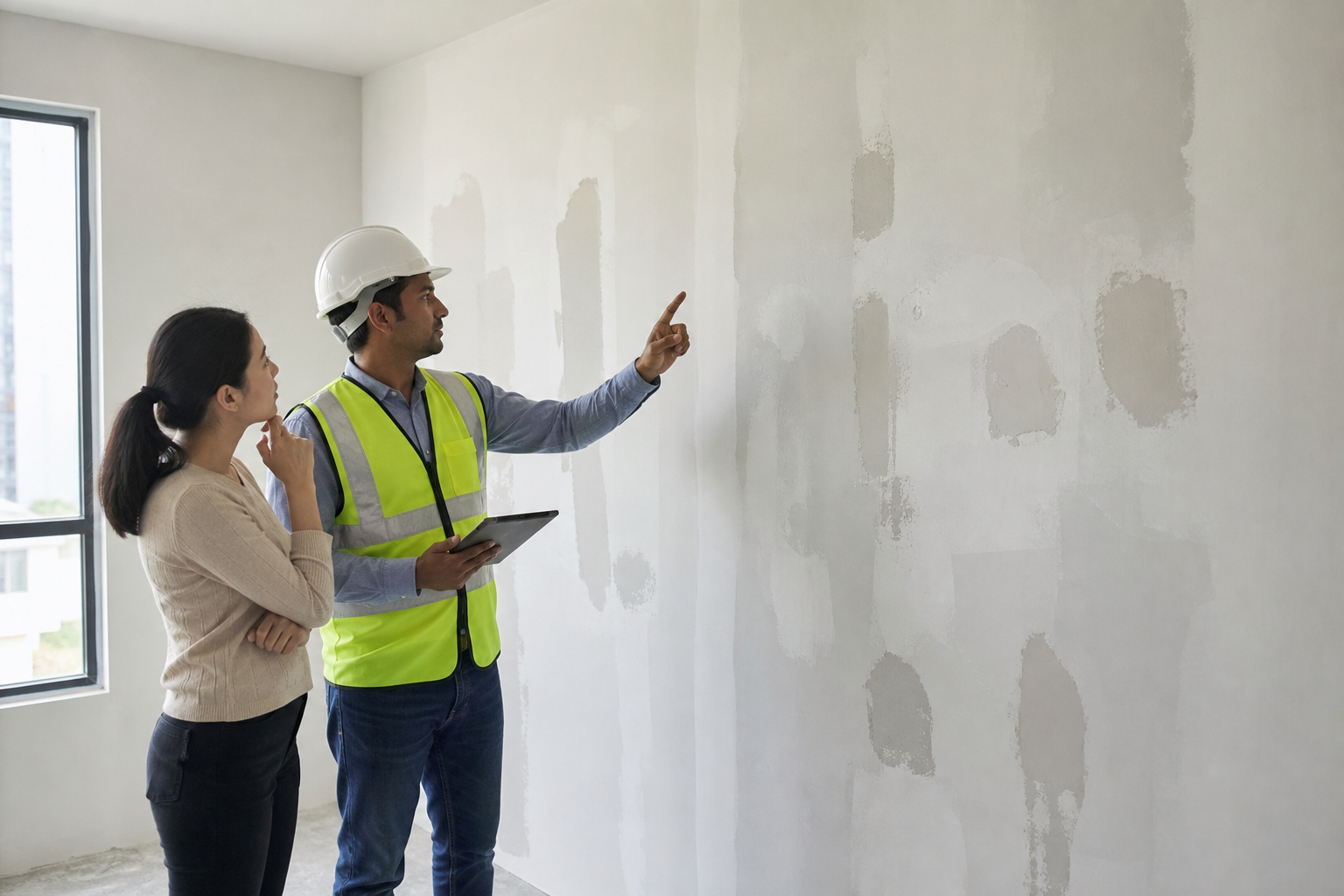
- Check for remaining moisture or soft substrate before any patching. If the substrate is damp, stop work and identify the moisture source.
- After patching inspect for paint flashing and texture mismatch under natural and artificial light.
- Look for ridging or visible seams when touching the repaired area. These indicate insufficient sanding or compound layering.
- Escalate to building maintenance or a specialist when cracks are widening, when mould is present, or when repairs expose structural or insulation deficiencies. CMHC guidance highlights that different damage types and exterior issues require distinct servicing priorities and escalation for moisture or foundation issues (CMHC).
How to choose a contractor and address common objections
When hiring for apartment wall patching prioritise these signals: proven multi-unit experience, WSIB and insurance compliance, clear scheduling and communication protocols, sample patch photos, and references from other property managers. Mahal notes structured, end-to-end processes and WSIB compliance as core elements of multi-unit work in London and Southwest Ontario (Mahal Concrete and Constructions).
Common objections and short responses
- Cost is high: Group small repairs into a turnover package to reduce mobilization costs and standardise finishes across units.
- Timeline is too long: Ask for phased schedules and firm daily completion goals. Contractors experienced in turnovers will offer predictable windows.
- Tenants will complain: Require tenant-friendly measures such as covered furniture, low-odour compounds, and advance notices.
Frequently asked questions
How long does a typical wall patch take in an occupied apartment?
Small surface repairs can be completed and painted in one working day if quick-setting compounds and fast-dry primer are used, but allow for compound curing, sanding and two coats of paint. Larger holes that require backing and multiple compound layers will need 2 to 3 days of elapsed time for proper drying and finishing.
Can you match paint after patching so the repair is invisible?
Yes, but a few things matter: the patched area must be primed to prevent flashing, the sheen must match, and paint must be applied in a way that blends texture. For best results supply an original paint code or allow the contractor to prepare an in-unit sample for approval before rolling out multiple repairs.
When is a crack a structural concern rather than a cosmetic repair?
Hairline surface cracks are usually cosmetic. Escalate if cracks widen over weeks, form stair-step patterns in masonry, or are paired with door or window operation issues. If you see active movement, bulging, or water penetration, involve a building professional.
Do I need a permit to patch interior walls in an apartment building?
Most cosmetic interior repairs do not require a permit. However, if repairs expose structural elements, involve changes to fire separations, or alter mechanical systems, check with your local building authority. When in doubt ask a qualified contractor to advise and confirm whether permits are needed.
What minimum insurance or safety credentials should I ask a contractor to show?
Ask for proof of general liability insurance, WSIB compliance if working in Ontario, and written safety protocols for working in occupied suites. Contractors focusing on multi-unit work typically document these items as part of a site assessment and project proposal (Mahal Concrete and Constructions).
Key takeaway: Specify priming and finish criteria, require site assessment and photo documentation, and make tenant protection part of the scope. These few items protect asset value and reduce rework.