
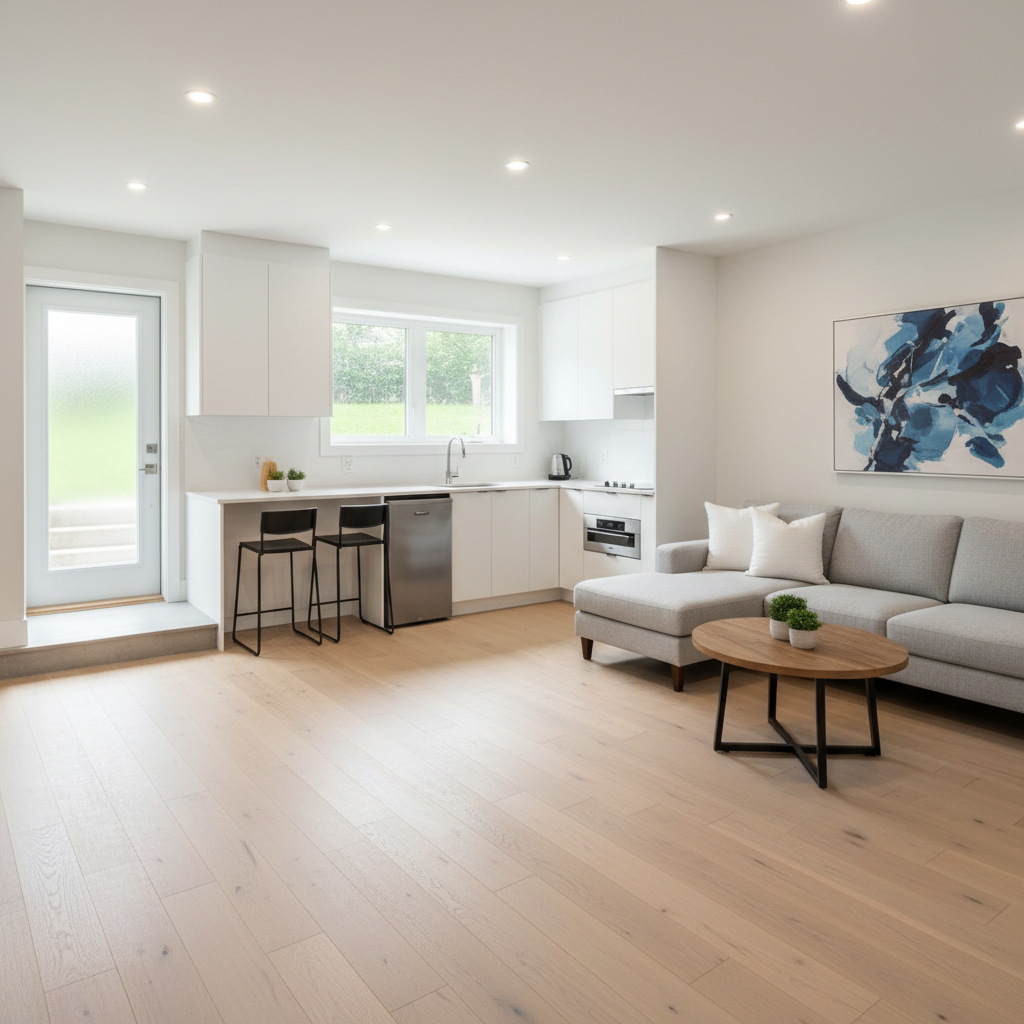
Legal basement renovation requirements for landlords are the safety, building code, and zoning rules you must meet to add or convert a basement rental unit. In London, ON, compliance means permits, fire separation, proper egress, alarms, ESA sign-off, and a lawful separate entrance—so your suite passes inspection and is ready to rent.
By Mahal Concrete and Constructions • Last updated: 2026-06-02
Overview and table of contents
This guide explains the end-to-end path to a legal basement unit—what it is, why it matters, how permitting and inspections work in Ontario, and a landlord-ready checklist. You’ll also get best practices, tools, mini case studies from Southwest Ontario, and a quick process table to help you pass on the first attempt.
Landlords and property managers often need a single, reliable playbook. That’s what this page delivers, grounded in our standardized, WSIB-compliant process in multi-unit buildings across London and Southwest Ontario.
- What is a legal basement?
- Why compliance matters
- How compliance works in Ontario
- Landlord requirements checklist
- Types and approaches
- Best practices to pass first time
- Tools and resources
- Case studies
- Process table: legal vs. non-compliant
- Timelines and coordination
- Frequently asked questions
What is a legal basement?
A legal basement (often called a secondary suite or additional residential unit) is a code-compliant dwelling with its own kitchen, bathroom, sleeping area, safe egress, fire separation, ventilation, and permits. It meets provincial building code and municipal zoning so the unit can be rented lawfully and insured.
In practice, a legal basement suite is a fully independent apartment inside an existing home or multi-unit property. It must satisfy building, fire, electrical, plumbing, ventilation, and zoning conditions before inspectors sign off. The result is a safer living space that landlords can confidently advertise as move-in-ready.
Key components every legal suite includes
- Independent cooking and sanitation: functional kitchen and bathroom with proper rough-ins and fixtures.
- Fire life safety: fire-rated assemblies, smoke and carbon monoxide alarms, and safe exits.
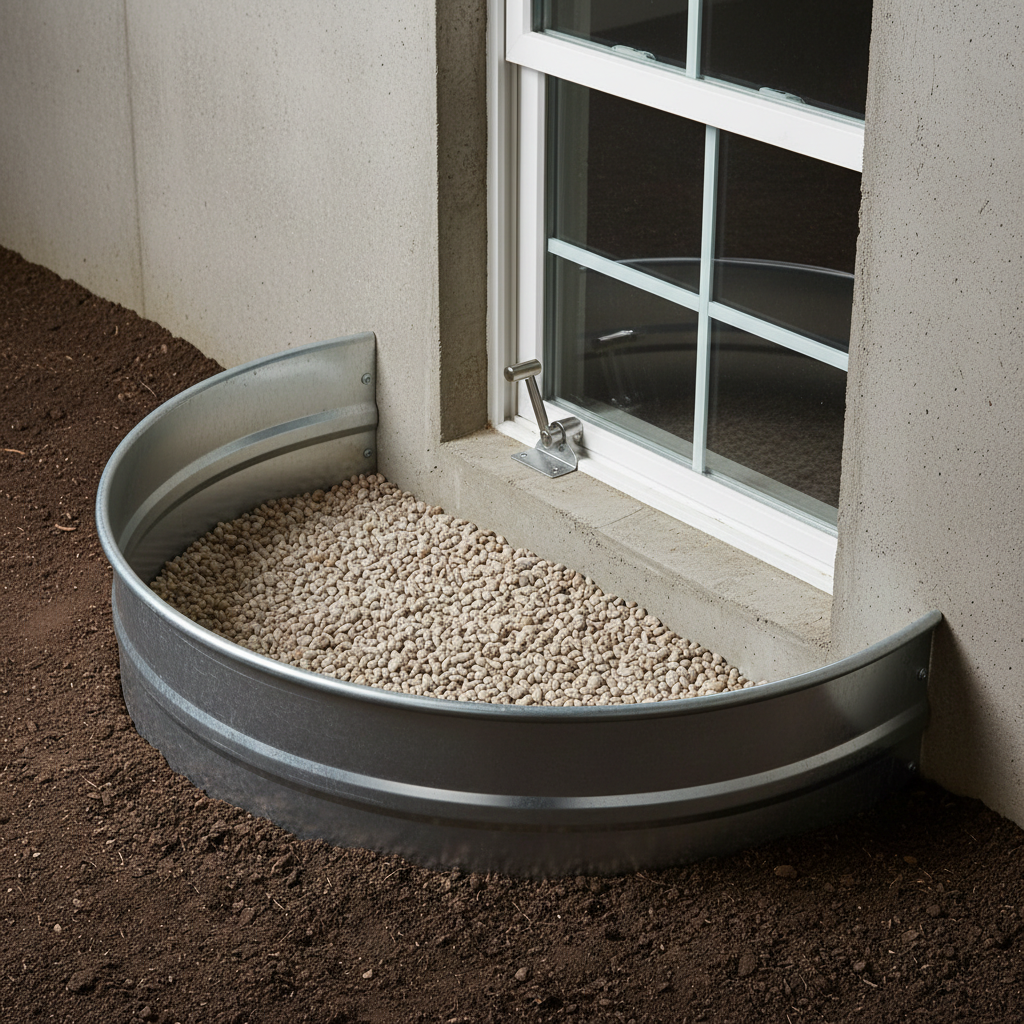
- Egress and lighting: at least one compliant egress path or window and adequate illumination.
- Ventilation and thermal comfort: fresh air supply, exhaust, and appropriate insulation.
- Electrical and plumbing sign-offs: ESA and plumbing inspections where required.
- Zoning fit: eligibility as a secondary suite or additional residential unit (ARU) under local rules.
For multi-unit properties, we standardize finishes and layouts where feasible. Consistency reduces vacancy windows and accelerates future turnovers, a core advantage our London-based team brings to portfolio owners.
Why legal basements matter for landlords
Compliance protects your investment, reduces liability, and speeds up leasing. Legal suites rent faster, carry fewer insurance issues, and avoid municipal orders. Standardized renovations improve durability, simplify maintenance, and help keep units occupied.
Here’s the reality: non-compliant conversions invite risk—stop-work orders, denied insurance claims after incidents, and longer vacancies. Conversely, a properly permitted suite tends to attract more qualified applicants, which translates into steadier tenancy and fewer headaches for property managers.
- Protection and insurability: When permits and inspections are complete, your insurer has fewer reasons to deny claims tied to construction.
- Tenant safety and reputation: Fire separation, alarms, and safe egress aren’t optional. They safeguard people and your brand.
- Predictable portfolio operations: Standard materials and repeatable details across units streamline repairs, turnovers, and budgeting.
- Faster lease-up: A clean, code-compliant unit in London typically shows and rents more quickly than an improvised conversion.
In our experience across 500+ projects, portfolios with consistent, code-first suites see fewer surprises during annual inspections and significantly smoother turnover cycles.
How legal basement compliance works in Ontario
The path to a legal basement in Ontario follows a permit-to-inspection sequence: confirm zoning eligibility, design to code, apply for permits, complete phased construction, and pass inspections (building, ESA, plumbing, HVAC). Only then is the unit legally occupiable.
While details vary by municipality, the backbone process holds steady. We align scopes to the Ontario Building Code, London’s ARU framework, and inspection windows so work proceeds without idle time. Our schedule-driven approach reduces vacancy length while maintaining clean, tenant-friendly worksites.
- Zoning confirmation: Determine whether the property supports a secondary suite or ARU.
- Code-aligned design: Plan egress, fire separations, ventilation, and layouts to meet standards before you demo.
- Permits and notices: Submit drawings and details; sequence ESA notifications for electrical work.
- Phased construction: Framing, fire assemblies, rough-ins, insulation/air barriers, drywall, finishes.
- Inspections and corrections: Building, ESA, plumbing, HVAC; address noted deficiencies immediately.
- Final handover: Quality check, documentation packet, photos, and move-in readiness.
Because London and neighboring municipalities coordinate ARU reviews with building divisions, aligning subtrades early prevents rework. We also schedule noisy tasks within daytime windows to respect residents—crucial in occupied properties.
Local considerations for London
Landlords around London, ON benefit from planning with seasonal cycles and municipal workflows. The right timing and scope definition can compress your path to occupancy without sacrificing quality or safety. Here are locally grounded tips we share with portfolio owners:
- Book early in peak seasons. Inspection calendars near London can tighten during spring and late summer. Lock dates as soon as drawings are ready.
- Mind winter conditions. Exterior work for a separate entrance or egress wells can be slower in freeze-thaw cycles. Sequence interior-first tasks.
- Coordinate tenant communications. In multi-unit buildings, set clear notices and quiet hours. Our tenant-friendly scheduling reduces complaints and disruption.
For a neighboring city perspective, see our breakdown of permit nuance in this Woodstock legal basement renovation guide—many steps mirror London’s, with subtle municipal differences.
Legal basement renovation requirements for landlords (checklist)
Landlords must meet zoning/ARU eligibility, fire separation, safe egress, alarms, electrical and plumbing compliance, ventilation, minimum heights, sound control, and a lawful separate entrance. Document everything, schedule inspections, and keep finishes durable for long-term portfolio performance.
This section translates code intent into practical action. We group the most-checked items by inspectors and flag where portfolios win or lose time. If you’re standardizing across multiple buildings, treat this like your master template.
Zoning and ARU eligibility
Start by confirming that a secondary suite (or additional residential unit) is permitted on your lot. Some lots permit ARUs by right; others need variances. Drawings should identify independent cooking and sanitation spaces, dedicated living/sleeping areas, and proper parking/waste accommodation. Clarify occupancy limits early to avoid redesigns after submission.
- Verify ARU or secondary suite allowance and any lot-specific constraints.
- Map unit layout with minimum clearances and safe pathways.
- Align parking/waste provisions with municipal expectations.
- Document existing vs. new work to streamline plan review.
Portfolios save time by reusing a proven plan set. Our team adapts a standard layout, finish palette, and door/hardware schedule to each property while staying inside municipal rules.
Fire safety, egress, and alarms
Life safety is the cornerstone of a legal suite. Inspectors look for code-rated separations between units and the main dwelling, draft-stopped and sealed penetrations, and compliant egress. Interconnected smoke and carbon monoxide alarms are expected where applicable. In older homes, remediation of existing gaps is common—budget time for sealing and proper firestopping.
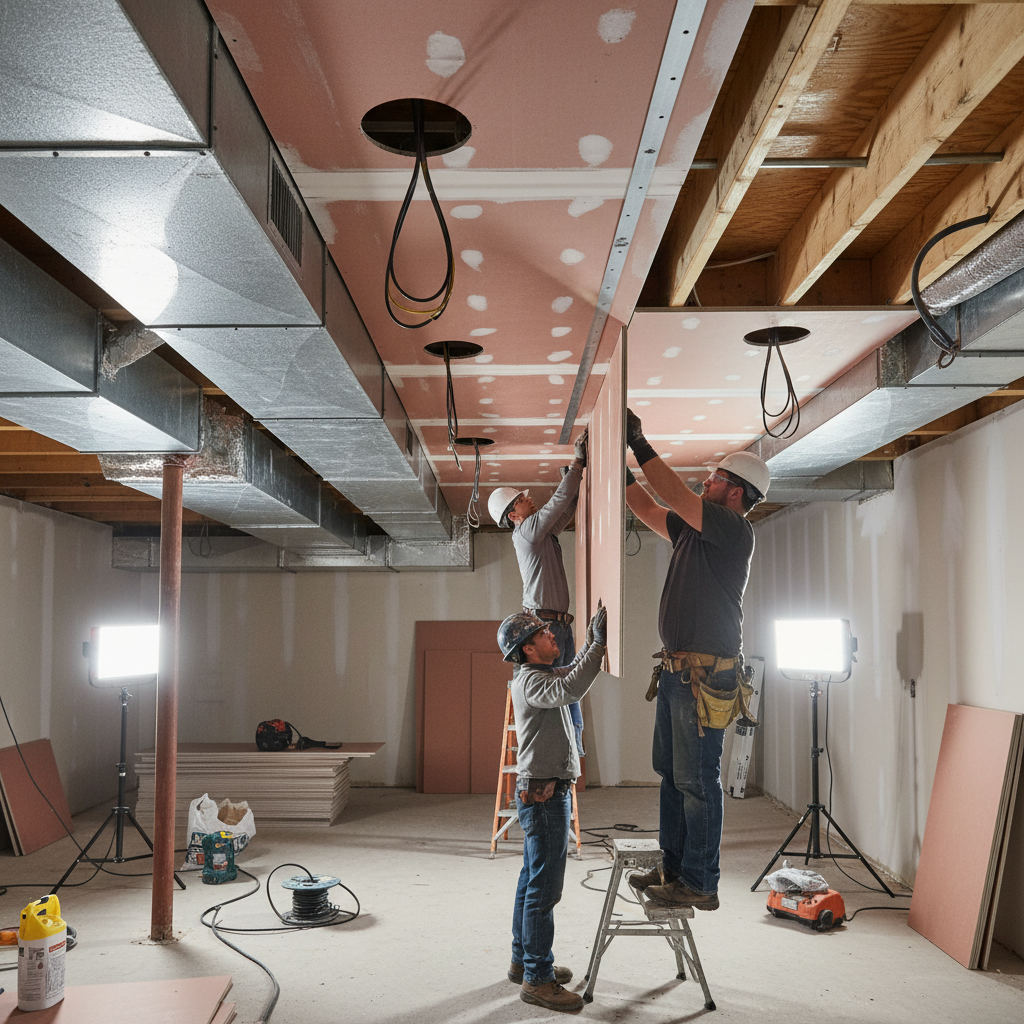
- Install compliant fire separations (walls/ceilings) between units and service rooms.
- Provide at least one safe egress route or window sized to code intent.
- Use rated doors and self-closing hardware where required.
- Ensure interconnected smoke/CO alarms in mandated locations.
We frequently add resilient channels and mineral wool for both fire and sound performance. It’s a small schedule addition that pays off at inspection and during tenancy.
Electrical, plumbing, HVAC
Every landlord conversion touches systems. Electrical work typically requires ESA involvement; plumbing rough-ins and venting must align with approved drawings; HVAC must deliver fresh air and exhaust per code intent. Coordinate sequence so each trade completes rough-ins before drywall, preventing re-opened walls and delays.
- Electrical: ESA notifications, circuit load planning, GFCI/AFCI where applicable, hardwired alarms.
- Plumbing: Sanitary/storm routing, venting, backwater valves where needed, pressure/flow checks.
- HVAC: Fresh air supply, bath/kitchen exhaust, combustion air clearances, and proper duct sealing.
A structured inspection cadence—rough-in, insulation/air barrier, final—keeps progress moving. Our quality checks before each inspection reduce rework and vacancy days.
Separate entrance and accessibility
A dedicated, lawful separate entrance is a hallmark of a legal basement. The doorway, stair, landing, guardrails, lighting, and drainage must meet code intent. Where grades require, an exterior stair with a drain or an entrance through a side yard must consider lot lines and water management. Inside, maintain clear width and headroom to the suite.
- Confirm entrance location relative to lot lines and setbacks.
- Design stairs/landings with correct rise/run, handrails, and lighting.
- Detail drainage and waterproofing for areaways or stairwells.
- Preserve headroom along the full path to the unit door.
For deeper entrance planning, review our separate entrance construction guide, which highlights common mistakes to avoid during layout and excavation.
Types and approaches landlords can take
Choose among three common paths: convert an unfinished basement, upgrade a past non-compliant suite, or integrate a basement ARU during a whole-property renovation. Standardizing designs and finishes across units protects timelines and long-term maintenance.
Not every building starts from the same point. Some basements are bare and ideal for a fresh layout. Others contain an existing, non-compliant suite with piecemeal upgrades. In portfolios planning exterior or kitchen/bath upgrades upstairs, bundling the basement ARU can leverage shared trades and inspections.
- New conversion: Clean slate to position egress, mechanicals, and fire separations optimally.
- Upgrade to legal: Bring a prior suite up to code—common tasks include new fire-rated ceilings, proper doors, alarms, and ESA corrections.
- Integrated program: Combine with broader works (e.g., kitchen renovations for apartment units and bathroom remodeling checklists) for scheduling efficiency.
We design for durability: high-traffic materials, moisture-smart assemblies, and a repeatable finish palette. This reduces touch-ups between tenancies and supports faster turnovers.
Best practices to pass inspections the first time
Win on paper, then in the field: lock zoning eligibility, submit clear drawings, sequence ESA and building inspections, and perform an internal “mock inspection” before calling the city. Use standardized details and document every penetration, rating, and change order.
When multi-unit timelines stack up, small errors compound. A mis-sized door or unsealed penetration can stall an entire crew day. Our approach is simple: measure twice, invite inspectors at the right milestones, and maintain a clean, labeled jobsite with accessible panels and plans.
- Plan for sound and fire together: Mineral wool and resilient channels often solve both at once.
- Tag everything: Label panels, smoke/CO units, and dampers to speed inspections.
- Set inspection windows early: Aim for rough-in, insulation/air barrier, and final walk with buffer.
- Standardize finishes: The same flooring, cabinets, and trim across units simplify maintenance.
- Keep a photo log: Pre-drywall documentation defuses disputes and accelerates approvals.
Our crews operate with WSIB-compliant safety protocols in occupied buildings, schedule noisy work during reasonable hours, and protect common areas—habits that reduce complaints and keep projects on track.
Tools and resources for landlords
Use a master checklist, standard drawings, and an inspection tracker. Pair that with municipality ARU guidance, ESA notifications, and a tenant communication plan. The right tools compress timelines and prevent rework.
As you build your internal playbook, organize documents by stage. Centralizing specifications and typical details allows faster bid reviews and fewer field questions.
- Master checklist: Build from the sections in this guide and reuse across properties.
- Standard layouts and details: Door schedules, egress window details, and fire-rated assemblies.
- Inspection tracker: Who, when, what to expose; keep phone numbers handy.
- Tenant notices: Clear start/stop times and access needs; signage for common areas.
- Municipal references: Keep local ARU notes with your drawings for quick clarifications.
For renovation planning beyond basements, our apartment renovation proposal checklist is a helpful template you can tailor to your building type.
Case studies and examples from Southwest Ontario
Three snapshots show how standardization, tenant-friendly scheduling, and code-first planning reduce vacancy and inspection friction. Each project leveraged repeatable details, clean sequencing, and rigorous quality checks to reach occupancy with minimal disruption.
London triplex conversion: A portfolio owner added a compliant basement suite beneath an occupied duplex. We phased demolition and framing during midday, installed fire-rated ceilings with resilient channels, and coordinated ESA rough-in inspections before drywall. The unit passed final inspection on the first call.
Chatham single-family ARU: A legacy “in-law” setup needed upgrades—egress resizing, interconnected alarms, and new self-closing doors. By reusing our standard door and hardware schedule, we avoided order delays and documented all penetrations for the inspector, accelerating sign-off.
London four-plex refresh: The owner bundled a basement ARU legalization with upstairs kitchen and bathroom upgrades. Shared crews and inspection windows minimized downtime, and standardized flooring kept finishes consistent across all units.
Process table: legal vs. non-compliant basements
Legal suites follow a documented path—zoning fit, permitted plans, inspected work, and final documentation. Non-compliant suites skip steps, face orders, and risk insurance issues. This table summarizes the practical differences your team will manage.
| Item | Legal suite needs | Non-compliant risk |
|---|---|---|
| Zoning/ARU | Eligible lot, layout matches ARU rules | Order to comply; redesign |
| Permits | Approved drawings, posted permit | Stop-work, fines |
| Fire separation | Rated walls/ceilings, sealed penetrations | Safety hazard, failed inspection |
| Egress | Code-sized window/door path | Unsafe exit, rework |
| Alarms | Interconnected smoke/CO where required | Insurance concerns |
| Electrical | ESA inspections complete | Hidden hazards |
| Plumbing | Rough-in/final approvals | Leaks, code violations |
| Ventilation | Fresh air and exhaust | Moisture, odors |
| Documentation | Photo log and closeout packet | Disputes, delays |
Timelines and coordination without disruption
Successful landlords phase work to protect residents and compress vacancy. Align drawings, materials, and inspection windows before site work, then keep a clean jobsite and clear tenant communications. This approach shortens idle days and speeds occupancy.
Occupied-property construction is a specialty. We run WSIB-compliant safety protocols, daily cleanup, and clear notices. Noisy work is grouped into planned windows. Subtrades follow a shared schedule so there’s no gap between rough-ins and inspections. The payoff is predictability across your portfolio.
- Sequence high-impact tasks (demo, framing, rough-ins) with inspector availability.
- Pre-order repeatable finishes—flooring, cabinets, doors—to avoid last-minute substitutions.
- Use a turnover inspection list at the end; our unit-ready inspection guide is a great start.
Need a code-first plan? Book a landlord compliance assessment with our London team. We’ll review zoning, drawings, and a phased schedule for your building—then handle execution end to end.
Frequently asked questions
Landlords ask about permits, inspections, separate entrances, and how long legalization takes. These concise answers reflect our multi-unit experience in London and nearby municipalities. For building-specific guidance, request an on-site assessment.
Do I need permits to legalize a basement apartment?
Yes. Legal basement suites require building permits and typically ESA notifications for electrical work. Plans should demonstrate zoning eligibility, egress, fire separations, ventilation, and service layouts. Inspections occur at rough-in and final stages before occupancy.
What makes a separate entrance “legal” for a basement unit?
A legal entrance provides safe access with compliant stairs/landings, lighting, drainage, and clear headroom to the unit door. Placement must respect lot lines and setbacks. We design the doorway, stair, and drainage together to meet code intent and reduce maintenance.
How long does it take to complete a legal basement conversion?
Timelines depend on drawings, permit queues, and site conditions. We compress schedules by pre-ordering standardized finishes, coordinating subtrades, and booking inspections early. Bundling work with other unit upgrades can also improve efficiency.
What inspections should I expect?
Expect building inspections around framing/rough-ins, insulation/air barrier, and final. Electrical work is reviewed by ESA, and plumbing/HVAC may be inspected as well. We run a mock inspection before each visit to catch issues early.
Key takeaways
Legalizing a basement suite is a repeatable process: confirm zoning, design to code, permit, build, and pass inspections. Standardize materials and details across units to cut vacancy days and simplify future maintenance.
- Legal basement renovation requirements for landlords center on life safety, egress, alarms, and inspected systems.
- Standardized finishes speed turnovers and keep quality consistent across portfolios.
- Clean sequencing and early inspection booking reduce idle days.
- Tenant-friendly scheduling protects your reputation during occupied-property work.
Conclusion: Get it right the first time
A compliant secondary suite protects people and property while stabilizing rental operations. With a code-first plan, disciplined sequencing, and standardized finishes, London landlords can legalize basements efficiently and confidently.
If you manage apartments or a multi-property portfolio around London, ON, our team delivers end-to-end execution: site assessment, detailed proposal and timeline, scheduled construction with minimal disruption, and rigorous quality checks before handover. Ready to move?
Book a discovery session in London: Mahal Concrete and Constructions
For general legal context on landlord and tenant obligations in Ontario, review this overview from a regional firm on tenant rights in Ontario. For background reading on legalization and permits in Southern Ontario, see this legal basement overview and this step-focused permit process guide.