
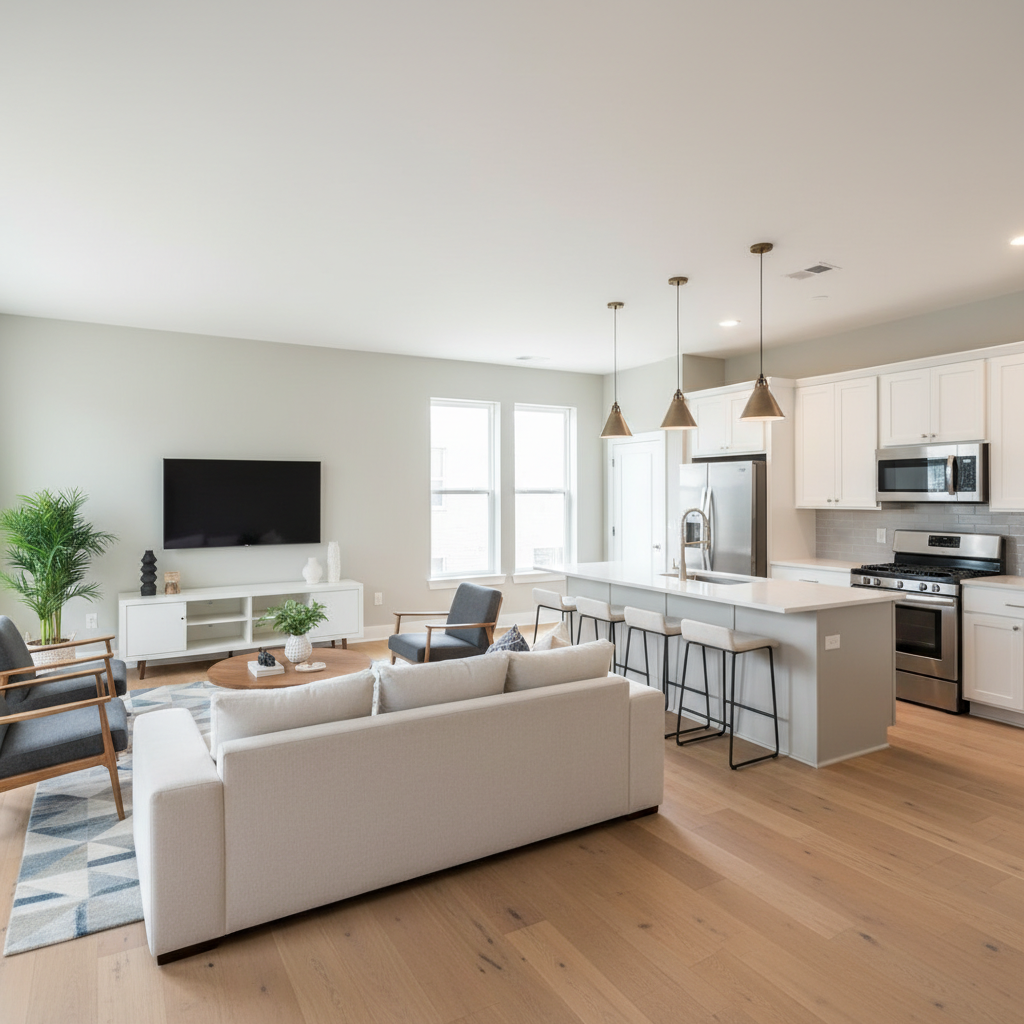
Apartment renovation buyer questions are the critical due-diligence questions property managers and landlords ask before approving design, scope, and schedules. In London, ON, where occupied buildings are common, getting these questions right prevents delays, protects compliance, and speeds unit turnover at 805 Chelton Rd and across Southwest Ontario.
By Amaruppdesh Singh • Last updated: 2026-06-02
At a Glance: Overview
This guide compiles the most important apartment renovation buyer questions, organizes them by stage, and explains how we execute fast, compliant unit refreshes. Use it to align stakeholders, reduce vacancy days, and ensure repeatable quality across multi-unit properties in London, ON.
Renovating apartments isn’t just about finishes. It’s a sequencing, coordination, and compliance exercise. Below is how we help London property managers and apartment owners make confident, on-time decisions—without disrupting residents or sacrificing quality.
- Clear definitions: what “apartment renovation buyer questions” really cover
- Why these questions matter in occupied, multi-unit buildings
- A step-by-step workflow from assessment to handover
- Approach types: partial refresh vs. full unit turnover vs. capital upgrade
- Best practices and checklists used on 500+ projects
- Local notes for London, ON portfolios
What Is an “Apartment Renovation Buyer Question”?
Apartment renovation buyer questions are the targeted questions decision-makers ask a contractor to verify code compliance, scope clarity, schedule feasibility, and quality controls before approving work. They reduce risk, prevent scope creep, and keep multi-unit projects on schedule.
Think of these questions as a due-diligence filter. They clarify responsibilities, confirm permits, validate material selections, and set timelines that work in occupied properties. In our experience, teams that standardize these questions achieve faster approvals and fewer mid-project surprises.
- Compliance: permits, inspections, safety procedures, and documentation
- Scope & sequencing: who does what, in what order, and how trades interlock
- Materials: durability, availability, and warranty alignment for rentals
- Scheduling: tenant-friendly access windows and phasing plans
- Quality control: acceptance criteria and final sign-off steps
Used consistently, these questions become your internal standard. They drive predictable, repeatable outcomes across dozens—or hundreds—of units.
Why It Matters in London, ON
In London, ON, most apartment renovations happen in occupied buildings. Strong buyer questions protect timelines, reduce disruption, and keep unit turnover efficient while maintaining safety-first, WSIB-compliant work practices across multi-property portfolios.
Here’s the thing: unit turnover targets are often measured in days, not weeks. Standardized finishes, pre-ordered SKUs, and a locked schedule reduce idle time between trades. We routinely align punch lists to a 10–12 step flow so approvals, materials, and crews land right when you need them.
- Occupied building work windows can be narrow—tenant notices and access rules matter.
- Portfolio standards support faster approvals and less rework across sites.
- Emergency stabilization capacity keeps you operational when surprises happen.
Local considerations for London
- Plan winter-phase painting and flooring around humidity and curing time; spring and fall offer balanced conditions for coatings and adhesives.
- Align noisy trade work with daytime windows to limit neighbor complaints in multi-unit corridors.
- Standardize finishes across your London portfolio to simplify reorders and reduce punch list variability.
How the Process Works (Assessment to Handover)
Our process is structured: site assessment and scope finalization, detailed proposal and schedule, tenant-aware execution with WSIB-compliant safety, and rigorous quality checks before handover. This reduces vacancy days and avoids rework.
We operate an end-to-end playbook designed for multi-unit properties. Each step has outputs that unlock the next so you’re never waiting on “what’s next?”
- Site assessment: document conditions, measure spaces, photograph issues, and flag building-system dependencies.
- Scope finalization: align on finishes, SKUs, fixture lists, and acceptance criteria for paint, flooring, kitchens, and baths.
- Proposal & schedule: produce a timeline with trade windows and a turnover target; identify access constraints.
- Material staging: pre-order durable, high-traffic selections to prevent mid-project supply gaps.
- Tenant notices: coordinate quiet hours, elevator timing, and dust control protocols.
- Execution: sequence demolition, surface prep, rough-ins, installation, and finishes with daily housekeeping.
- Quality control: perform multi-point checks, fix snags, and log proof-of-completion photos.
- Handover: walk the unit with your team, deliver warranty information, and confirm move-in readiness.
In our experience, documenting each phase reduces change orders and compresses timelines. One missed material delivery can stall multiple trades—staging avoids that domino effect.
Approaches and Scope Types
Apartment scopes fall into three buckets: partial refresh (paint/repairs), full unit turnover (coordinated multi-trade update), and capital upgrade (kitchen/bath systems, layout). Choosing the right bucket clarifies permits, materials, and schedule length.
Selecting the correct approach early prevents rework. For instance, a “paint-only” refresh can balloon when hidden moisture or subfloor issues surface. Aligning on the right category—and its acceptance criteria—protects your schedule.
| Approach | Typical Focus | Permits/Inspections | Schedule Profile | Best For |
|---|---|---|---|---|
| Partial Refresh | Full-unit painting, wall repairs, minor fixtures | Usually none; verify building rules | Short; 1–2 tightly sequenced trades | Fast turnover between tenancies |
| Full Unit Turnover | Coordinated paint, flooring/tiling, fixtures | Case-by-case (plumbing/electrical) | Medium; multi-trade with staging | Standardizing multiple units |
| Capital Upgrade | Kitchen/bath remodels, layout tweaks | Likely for plumbing/electrical | Longer; complexity and inspections | Value-adding repositioning |
When we help London portfolios standardize SKUs and finishes, approvals move faster. Pair that with pre-booked trade windows and you reduce unit idle time significantly across a building.
Apartment Renovation Buyer Questions to Ask
Use these buyer questions to verify compliance, scope clarity, materials, and timelines. They prevent mid-project surprises and support consistent, multi-unit execution with minimal disruption for tenants.
Bring this list to your kickoff. It’s designed for property managers, landlords, and owners who oversee multiple units and want predictable, move-in-ready results.
- Compliance
- Which permits or notifications apply for this scope?
- How will inspections be coordinated with our schedule?
- What safety plan governs work in occupied corridors?
- Are you fully insured and WSIB-compliant for this site?
- Scope & Sequencing
- Can you map the trade-by-trade sequence and handoffs?
- What acceptance criteria will we use at each milestone?
- How will you manage dust, debris, and daily site cleaning?
- What’s the plan if hidden damage is discovered?
- Materials & Specs
- Which durable, rental-grade products are pre-approved?
- Do you have substitute SKUs if something is backordered?
- What are the warranties and maintenance requirements?
- Are finishes standardized across our portfolio?
- Scheduling
- What’s the projected turnover window by approach type?
- How will you time noisy work to limit tenant impact?
- Who issues notices and coordinates access windows?
- What’s the escalation path for weekend issues?
- Quality Control & Handover
- What multi-point quality checklist do you use?
- How do you document before/after and warranty info?
- Who attends the pre-handover walkthrough?
- How are punch items tracked and closed?
Apartment renovation buyer questions like these build a shared language with your contractor. Teams that ask and document answers up front see fewer change orders and shorter punch lists.
Bathrooms and Kitchens: Standards That Speed Turnover
Rental-grade kitchens and baths should use durable, easy-to-clean materials, moisture controls, and standardized fixtures. This supports faster turnovers, consistent appearance, and simplified maintenance across your apartment portfolio.
We prioritize moisture management in baths (fan performance, grout sealing) and workhorse selections in kitchens (durable countertops, cabinet hardware that lasts). Standardized SKUs simplify reorders across buildings.
- Kitchen basics: cabinet replacement plans, countertop installation, durable flooring, backsplash tile installation
- Bath essentials: tile and waterproofing, fixture upgrades, ventilation checks, caulking and grout protection
- Surface prep: wall repairs and patching, skim coats, priming for uniform paint coverage
- Finish standards: sheen and color consistency for touch-up longevity
For teams weighing refresh vs. remodel, see our perspective on cycle time and scope alignment in this kitchen remodel vs. cabinet replacement guide.
Flooring, Tiling, and Paint: Durable, Portfolio-Ready Choices
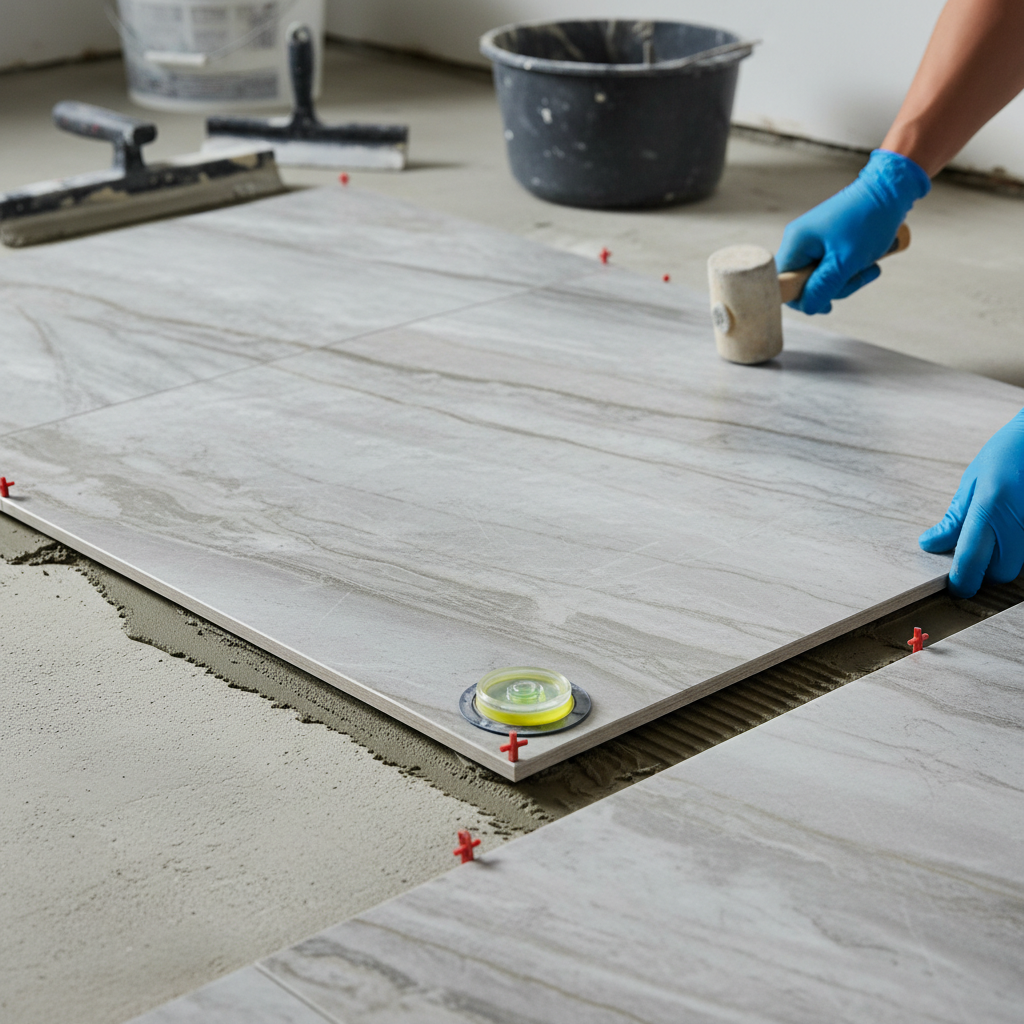
Choose rental-grade flooring, grouts, and paints designed for high-traffic units. Proper subfloor prep, moisture checks, and standardized paint systems extend service life and reduce future downtime between tenants.
We’ve found that durable vinyl plank or tile, moisture-aware grout systems, and standardized paint sheens yield fewer callbacks. Standard specs also reduce decision fatigue and help keep multi-unit projects moving.
- Subfloor readiness: ensure flatness, dryness, and deflection tolerance before installation
- Tile installation: large-format tile with leveling systems and appropriate mortar
- Paint system: surface prep, primer selection, and uniform sheen for easy touch-ups
- Transitions: align thresholds across rooms to eliminate trip edges
For quality-check steps that prevent rework at handover, review our unit handover checklist. Many London managers cut post-work punch time in half by enforcing a consistent checklist.
Scheduling and Communication in Occupied Buildings
The best schedules sequence trades with material staging and tenant notices. Daily housekeeping, quiet-hour alignment, and a single point of contact reduce complaints and keep multi-unit projects on track.
Occupied properties demand rhythm. We align noisy work with daytime windows, stage dust control, and compress handoffs to keep units moving. A single coordinator across trades prevents drift between crews.
- Pre-schedule notices: access times, expected noise, and safety signage
- Daily wrap: clear hallways, vacuum, and stage the next day’s materials
- Escalation path: a defined contact for after-hours surprises
- Documentation: daily photo logs and milestone sign-offs
To avoid common delays, see our internal playbook on apartment turnover mistakes to avoid. Teams that pre-stage materials rarely lose days between trades.
Tools, Materials, and Resources We Rely On
We standardize durable materials, maintain a vetted trade network, and use checklists for each scope. This combination creates predictable timelines and repeatable quality across London, ON apartment portfolios.
Consistency wins. Our crews run the same surface-prep steps, the same tile leveling systems, and the same paint systems across units. That’s how you get uniform results and shorter punch lists.
- Durable materials: high-traffic flooring, rental-grade cabinets, reliable fixtures
- Process tools: moisture meters, laser levels, HEPA vacuums, negative-air setups
- Documentation: photo logs, unit checklists, warranty packets
- Emergency stabilization: rapid-response equipment and containment supplies
Considering secondary suites or separate access? Align scopes with life-safety and layout details covered in our separate entrance considerations.

Case Studies and Quick Examples
Portfolio standardization, tight sequencing, and pre-ordered materials consistently shorten turnover. Across 500+ projects, we’ve seen the biggest gains when kitchens, baths, and paint follow a repeatable playbook with clear acceptance criteria.
Example 1: A London building owner standardized kitchen cabinet SKUs and flooring. With pre-staged materials and a fixed handoff sequence, unit turns consistently met a two-week target across multiple floors.
- What changed: fixed specs, vendor alignment, and pre-booked trades
- Impact: fewer change orders; predictable occupancy dates
Example 2: A landlord with scattered-site units implemented our 10-point bathroom checklist (ventilation, waterproofing, fixtures). Moisture-related callbacks dropped materially the following quarter.
- What changed: moisture testing and standard grout sealer
- Impact: less rework, better tenant satisfaction
Example 3: During a mid-turnover discovery (subfloor deflection), emergency stabilization prevented further damage. Fast remediation allowed finishes to proceed with a one-day delay instead of a week.
- What changed: rapid-response containment and adjusted sequence
- Impact: minimized vacancy extension
Pricing Factors and Scope Control (No Dollar Amounts)
Pricing depends on scope, materials, permits, and scheduling complexity. Control variables early—standard finishes, staged materials, and a defined sequence—to stay on timeline and protect value without scope drift.
While we don’t publish numbers, we do publish the variables that move timelines. The questions you ask up front often save the most time: is the subfloor ready; are fixtures on hand; who locks elevator windows for material moves?
- Scope clarity: partial refresh vs. full turnover vs. capital upgrade
- Material logistics: availability and substitutes
- Permits/inspections: plumbing or electrical triggers
- Access: tenant windows, building rules, elevator timing
When scope is stable and materials are staged, multi-unit timelines compress. That’s how you reduce vacancy days across a portfolio.
Compliance, Risk, and Documentation
Compliance starts with a defined scope, access plan, and documentation. Standard notices, permits when required, and proof-of-completion photos protect owners and accelerate re-renting.
Documentation is insurance for your schedule. Photo logs, acceptance criteria, and a final sign-off keep everyone aligned. If your units include secondary access, confirm life-safety details during assessment to avoid late-stage surprises.
- Permitting triggers: electrical and plumbing scope may require inspections
- Safety: controlled work areas, clean corridors, dust containment
- Records: before/after photos, finish schedules, and warranty packets
- Escalations: defined contacts for water, HVAC, or power issues
Legal due diligence on property conditions can also help owners prepare scopes with fewer blind spots; see this concise overview of due diligence before buying for general context.
Handling Mid-Project Changes and Emergencies
Define a clear change-order path and keep emergency stabilization capacity on call. Rapid containment prevents damage from spreading and keeps unit turnover timelines intact.
We keep a stabilization kit ready: containment materials, moisture meters, and temporary power solutions. A same-day response can preserve a week of schedule in multi-unit environments.
- Discovery protocol: document, isolate, and re-sequence trades
- Owner approvals: fast sign-offs for defined thresholds
- Vendor taps: pre-vetted specialists when issues exceed scope
- Communication: one contact to update tenants quickly
For bath-related discovery and plumbing considerations, this third-party primer on bathroom renovation plumbing offers a useful high-level refresher.
Common Pitfalls to Avoid
Avoid unverified scopes, ad-hoc sequencing, and late material orders. These create idle time between trades and extend vacancy days. Standardize questions, SKUs, and checklists instead.
We frequently see three preventable issues derail timelines: undefined acceptance criteria, missing materials on Day 1, and no single coordinator. Each one adds days. Each one is fixable in planning.
- Unclear paint specs cause touch-up mismatches and callbacks
- Late tile deliveries stall plumbers and painters
- Missed access windows force weekend catch-up (rarely efficient)
- Skipping moisture checks leads to grout failures
For a deeper look at systemic schedule risks, read our guide to avoiding turnover delays.
Frequently Asked Questions
These concise answers address the most common questions we hear from London, ON property managers about apartment renovations, unit turnover, and multi-unit coordination.
What should I confirm before approving an apartment renovation?
Verify scope, material availability, and permit triggers. Lock a trade-by-trade sequence with target dates, define acceptance criteria, and confirm tenant access windows. With those set, you’ll reduce rework and keep unit turnover on schedule.
How do I reduce disruption for current residents during a remodel?
Use clear tenant notices, align noisy work with daytime windows, and maintain daily housekeeping in corridors. Stage materials to compress handoffs. A single coordinator across trades also helps keep communication clean.
Which materials hold up best in rental units?
High-traffic vinyl plank or tile, rental-grade cabinets and hardware, and washable paint sheens tend to perform well. Standardize SKUs across your portfolio so reorders are fast and maintenance is predictable.
What if we find hidden damage mid-project?
Pause the immediate area, document with photos, and issue a defined change-order path. Stabilize first to protect adjacent finishes, then re-sequence trades to minimize overall schedule impact.
Do I need to remodel the whole unit to attract tenants?
Not always. Many portfolios see strong results with a partial refresh—full-unit painting, targeted repairs, and select fixture upgrades—especially when finishes are standardized across units for a consistent look.
Key Takeaways and Next Steps
Standardize your buyer questions, finishes, and checklists. Stage materials and lock a sequence. With a clear playbook, multi-unit renovations move faster, tenants are less disrupted, and vacancy days shrink.
- Define scope and acceptance criteria before Day 1
- Pre-order durable, rental-grade materials with substitutes listed
- Set tenant-friendly access windows and quiet-hour rules
- Use checklists to close punch items in one pass
Soft CTA: If you manage apartments around London, ON and want a predictable, low-disruption turnover, request a structured assessment through our main site. We’ll align scope, finishes, and timelines for repeatable results.
For general background beyond this guide, you may also find these third-party perspectives helpful: a concise look at real-estate due diligence before you buy, a high-level condo renovation overview for planning context, and a brief primer on bath plumbing considerations.