
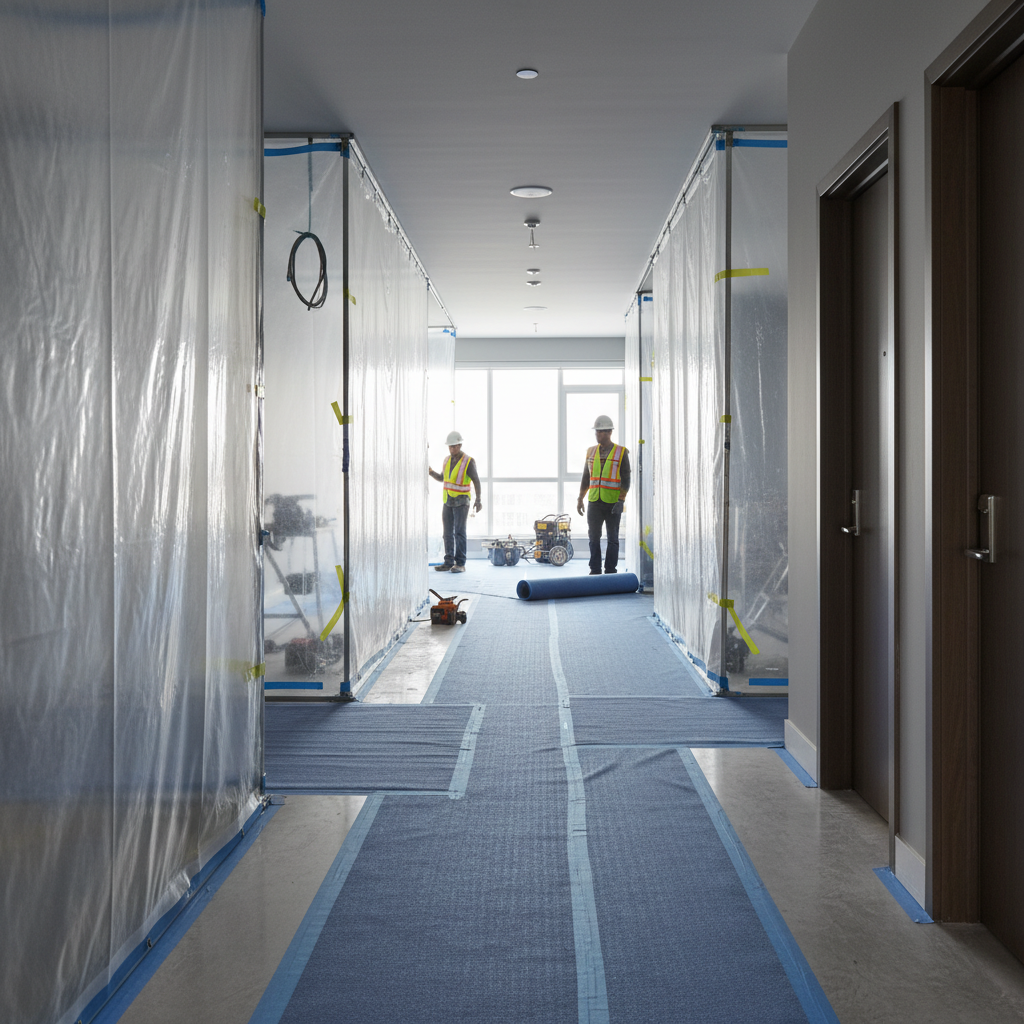
Tenant occupied renovation communication is the structured, proactive exchange of project details with residents before, during, and after construction. It sets clear expectations, confirms access and quiet hours, and resolves issues quickly. From our base at 805 Chelton Rd, London, ON, Mahal Concrete and Constructions uses this approach to keep live projects safe, respectful, and on schedule.
By Amaruppdesh Singh, Mahal Concrete and Constructions — Visit our website
Last updated: 2026-06-09
Summary and Table of Contents
This complete guide shows property managers how to communicate during occupied renovations so work stays safe, predictable, and low-disruption. You’ll get templates, timelines, and scripts that scale across multi-unit buildings and portfolios in London and Southwest Ontario.
In this practical playbook, we focus on apartment environments and multi-unit construction where tenants remain in place. Use it to keep projects moving and minimize complaints.
- What tenant-occupied renovation communication is
- Why it matters for safety, schedule, and satisfaction
- How the plan works by project phase
- Approaches tailored to multi-unit apartments
- Best practices, scripts, and templates
- Tools and resources that make it easy
- Case studies from London and Southwest Ontario
- Local rules, safety, and compliance
- FAQ and next steps
What is tenant-occupied renovation communication?
Tenant-occupied renovation communication is a defined process for notifying, updating, and supporting residents while work occurs inside or near their homes. It clarifies access, quiet hours, safety rules, and contacts. Standardized messages reduce confusion and keep apartment projects on time.
For multi-unit properties, the process must be repeatable. At Mahal, we align notices and updates with our end-to-end delivery model: site assessment, scope finalization, scheduled execution with minimal disruption, and rigorous quality checks before handover. That same structure underpins every message tenants receive.
- Pre-notice (D‑14 to D‑7): Written scope, dates, entry windows, and a single point of contact.
- Kickoff briefing (D‑1 to D‑0): A 10-minute hallway huddle or digital summary that confirms logistics.
- Daily/weekly updates: 3–5 minute voice note or concise email; weekly recaps land Fridays by 4 p.m.
- Closeout: Deficiency walk, photo log, and warranty handoff within 24–72 hours of completion.
Why this matters: our teams operate in occupied corridors every week. Clear, consistent updates prevent missed entries and keep trades working in defined noise and dust windows. The result is fewer after-hours calls and faster final handovers.
Why communication matters in occupied renovations
Communication protects safety, schedule, and resident experience. It avoids access delays, reduces after-hours calls, and keeps trades aligned. In occupied buildings, predictable quiet hours and clear entry notices set the tone for the entire project.
We’ve delivered 500+ apartment projects with a WSIB-compliant, fully insured team. The same pattern holds: when managers publish logistics in writing and repeat them weekly, site productivity rises and punch lists shrink. Communication is not extra—it is part of the scope.
- Safety and compliance: Share entry notices, hazard controls, and emergency contacts up front. Document what you post and when.
- Schedule control: Confirm keys, elevator bookings, and deliveries 48–72 hours ahead to keep trades sequenced.
- Tenant experience: Publish start/stop times (e.g., 8 a.m.–5 p.m.) and define noisy or dusty work windows.
- Issue resolution: Give tenants a single hotline. Aim for same-day acknowledgement with a clear escalation path.
Looking for a deeper operations primer? See our apartment renovation scheduling tips for more ways to protect timelines in live buildings.
How the communication plan works by phase
Build a phase-based cadence: notify early, brief at kickoff, update daily and weekly, then close with a documented handover. Map each message to a channel (door notice, email, SMS, portal) and owner (PM, superintendent, contractor).
Below is a simple, scalable framework we deploy on full unit turnovers, bathroom and kitchen remodels, and flooring or tile programs. Pair it with a scope template to keep messaging tight from day one—our turnover scope of work template helps align tasks and timelines.
Phase-to-message map
| Phase | Timing | Message | Channel | Owner |
|---|---|---|---|---|
| Pre-notice | D‑14 to D‑7 | Scope, dates, entry rules, quiet hours | Door notice + email | Property manager |
| Kickoff | D‑1 to D‑0 | Final reminder, staging, elevator moves | SMS + brief huddle | Superintendent |
| Execution | Daily | Today’s work, noisy/dusty windows | Portal + voicemail | Contractor lead |
| Weekly | Fridays 4 p.m. | Progress, next-week plan, risks | Email summary | Project manager |
| Closeout | D+1 to D+3 | Walkthrough, photos, warranty | Email + portal | QA lead |
Message content checklist
- Plain language: State what’s happening, when, and who to contact.
- Exact times: Publish start/stop hours and any noisy blocks.
- Access windows: Offer two-hour entry blocks; confirm keys or escorts.
- Housekeeping: Note sweep/vac times and debris routes.
- Next steps: Always preview tomorrow or next week.
This cadence keeps every stakeholder oriented. Trades know when to push; tenants know what to expect; managers track the plan in one place.
Approaches that work in multi-unit apartments
Standardize notices, scripts, signage, and daily updates. Use the same formats across 10–100+ doors so teams move faster and tenants know what to expect. Add QR codes for opt-in SMS and keep one hotline for issues to avoid confusion.
Our playbook emphasizes minimal disruption with phased work, clean corridors, and predictable start/stop times. It’s tuned for apartment renovations and full unit turnovers across stacked floors and long corridors.
- Stack work vertically: Run the same task per floor per day (e.g., demo on levels 3–5) to contain noise.
- Color-coded signage: Icons for entry, wet paint, and debris routes help all residents—no text needed.
- Tenant preferences: Gather morning/afternoon access blocks and note pet coordination early.
- Housekeeping standard: Sweep/vac at lunch and end-of-day; bag debris every 2–3 hours.
- Single source of truth: Use a portal post mirrored by email and an evening voicemail.
Many of these tactics echo general multi-residential programs. For broader context on condo logistics, this external condo renovation guide outlines resident-first planning concepts you can adapt to rental portfolios.
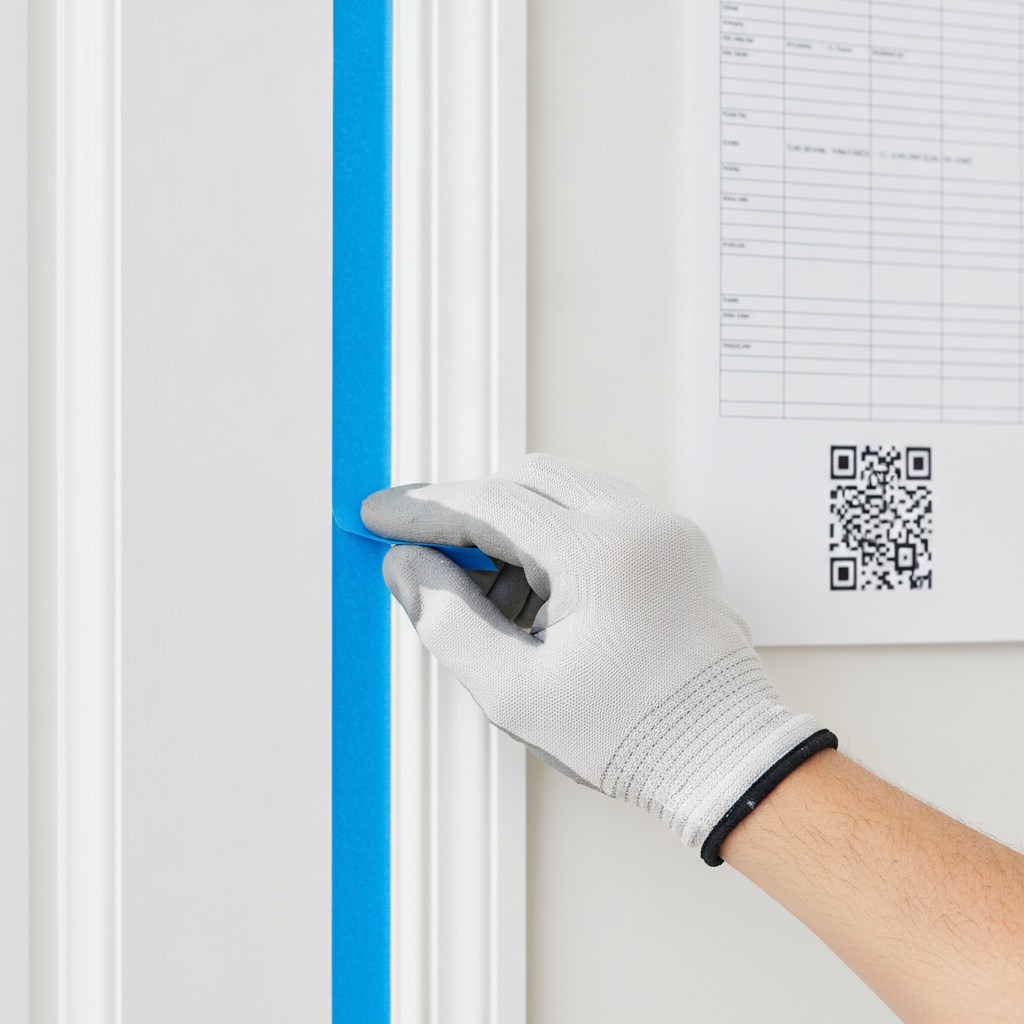
Best practices, scripts, and templates
Use plain language, give exact times, and repeat key details. Provide at least 24 hours of written entry notice, share contacts, and recap weekly. The scripts below cover door notices, kickoff huddles, daily updates, and closeout messages to copy and adapt.
Door notice (pre-notice, D‑14 to D‑7)
- Header: Renovation notice for your suite and common areas
- When: Dates + daily work hours (e.g., 8 a.m.–5 p.m.)
- What: Brief scope (flooring, cabinets, tiling, paint)
- Access: Two-hour entry block + keys/contact
- Quiet hours: Noisy work limited to defined daytime windows
- Contacts: Superintendent phone + email hotline
Kickoff huddle (D‑1 to D‑0)
- “We start at 8 a.m. Dusty work ends by noon. We’ll sweep mid-day and again at 4:30 p.m.”
- “If you need a different access window, text before 2 p.m. today so we can adjust.”
- “Emergency after-hours? Call the hotline. For routine items, email gets the fastest response.”
Daily/weekly update script
- Daily: “Today 9–11 a.m. tile demo; 1–3 p.m. thinset; corridor vacuum at noon.”
- Friday: “Cabinets complete in 402–408; flooring starts Monday 9 a.m.; please secure pets 8 a.m.–noon.”
Need help staging your next turnover? Our full unit turnover checklist shows how to sequence paint, flooring, and fixtures so resident notices stay accurate.
Tools and resources to make it easy
Use a shared calendar, a resident portal, and templated PDFs. Add a single hotline number and a form that routes issues to the right trade within one hour. Track acknowledgements and door-notice photos for recordkeeping.
- Templates: Notices (PDF), email/voice scripts, deficiency logs
- Channels: Door, email, SMS, portal; choose two primary + one backup
- Tracking: Entry proofs, key logs, and corridor cleaning logs twice daily
- Safety: Dust-control sheets, wet paint markers, PPE checklist at entry
For a high-level view of sequencing and handoffs, see this external project management timeline. Then bring it back to apartments with our proposal checklist to align expectations early.
Case studies from London and Southwest Ontario
Structured communication stabilizes schedules and lowers complaints. In recent London programs, a 3-minute daily voice note plus a Friday summary kept 40+ occupied units aligned and reduced access conflicts during kitchen and bathroom work.
These condensed examples reflect our core services—full unit turnovers, kitchen remodeling, bathroom remodeling, flooring and tiling, and paint and repairs—executed in live buildings with tenant-friendly scheduling.
Full unit turnover (occupied stack)
- Scope: Full-unit painting, patching, LVT replacement, fixture swaps, cleaning and finishing in six working days.
- Cadence: Pre-notice at D‑10; daily 3-minute voice note; Friday recap by 4 p.m.
- Outcome: No missed entries; punch work handled within 48 hours of walkthrough.
Kitchen remodeling (live suites)
- Scope: Cabinet replacements, countertop installation, and plumbing adjustments.
- Cadence: Noisy work limited to 9–11 a.m.; corridor vac at noon; evening voicemail summary.
- Outcome: Cabinet swaps averaged two days; tenants acknowledged notices via SMS opt-in.
Bathroom remodeling (occupied building)
- Scope: Tile installation, fixture upgrades, waterproofing, and paint and repairs.
- Cadence: Communicated 48-hour moisture cure; alternative washroom plan posted in corridor.
- Outcome: Fewer service calls; clear expectations on temporary downtime windows.

Need help executing this plan?
We coordinate tenant communication and low-disruption scheduling across stacked floors and multiple buildings. To align staffing and timelines, review our apartment turnover process and our guide on how to choose a turnover contractor.
Local rules, safety, and compliance
In London, ON, keep entry notices clear, control dust/noise, and maintain open egress at all times. Post supervisor contacts and document every notice. Schedule noisy work in daytime windows common across Ontario municipalities to respect residents.
Documented proof matters: time-stamped door notices, email delivery receipts, and a signed entry log streamline audits and resolve disputes quickly. For additional high-level planning concepts, this external commercial renovation guide offers helpful checklists you can adapt to multi-family operations.
Local considerations for London
- Plan around school-year moves and winter weather slowdowns; reserve elevators early during peak weeks.
- Keep noisy work inside daytime windows and publish exact time blocks in your first notice.
- Prioritize midday and end-of-day housekeeping sweeps to prevent dust migration in long corridors.
Frequently Asked Questions
Property managers ask about notice timing, noisy work windows, tenant access, and emergency handling. The answers below cover the basics so you can move fast and stay organized.
How much notice should tenants receive before entry?
Provide at least 24 hours of written notice that includes the date, a two-hour entry window, and the reason for entry. Share the superintendent’s contact and how to reschedule access if needed.
What’s the best daily update format?
Use a 3–5 minute voice note or a short email with today’s tasks, any noisy or dusty windows, and tomorrow’s plan. Send it by 4 p.m. and mirror the same summary in your portal.
How do we handle noisy work in occupied buildings?
Group loud tasks into defined daytime blocks, notify tenants the day before, and keep corridors clean. Offer ear protection at the desk and schedule quieter tasks first thing or late afternoon.
What records should we keep for notices and access?
Save photos of door notices, email delivery receipts, and a signed entry log. Keep a single folder per unit with dates and times—this speeds audits and resolves disputes faster.
Conclusion and next steps
Make communication part of the scope. Standard templates, a daily cadence, and documented notices keep occupied renovations respectful and on schedule. Start with a two-week pre-notice, daily 3–5 minute updates, and a same-week closeout.
Tenant occupied renovation communication isn’t a side task. It’s an operational system that protects people, property, and timelines. When it’s standardized—paired with clean worksites and predictable hours—you reduce vacancy days and improve resident satisfaction across entire portfolios.
- Adopt the phase-to-message map for your next turnover.
- Standardize notices, signage, and housekeeping checks across buildings.
- Use a single hotline and Friday 4 p.m. summaries to keep everyone aligned.
Key takeaways
- Publish logistics early; repeat them weekly in the same format.
- Define noisy/dusty windows and stick to posted hours.
- Document notices and access proofs for every unit.
- Use one hotline and a portal mirror to prevent mixed messages.
- Partner with a WSIB-compliant contractor experienced in live buildings.
Ready to apply this across your buildings? We execute the full program—communication, scheduling, and quality control—while delivering bathroom and kitchen remodeling, flooring and tiling, paint and repairs, and complete unit turnovers across London and Southwest Ontario.